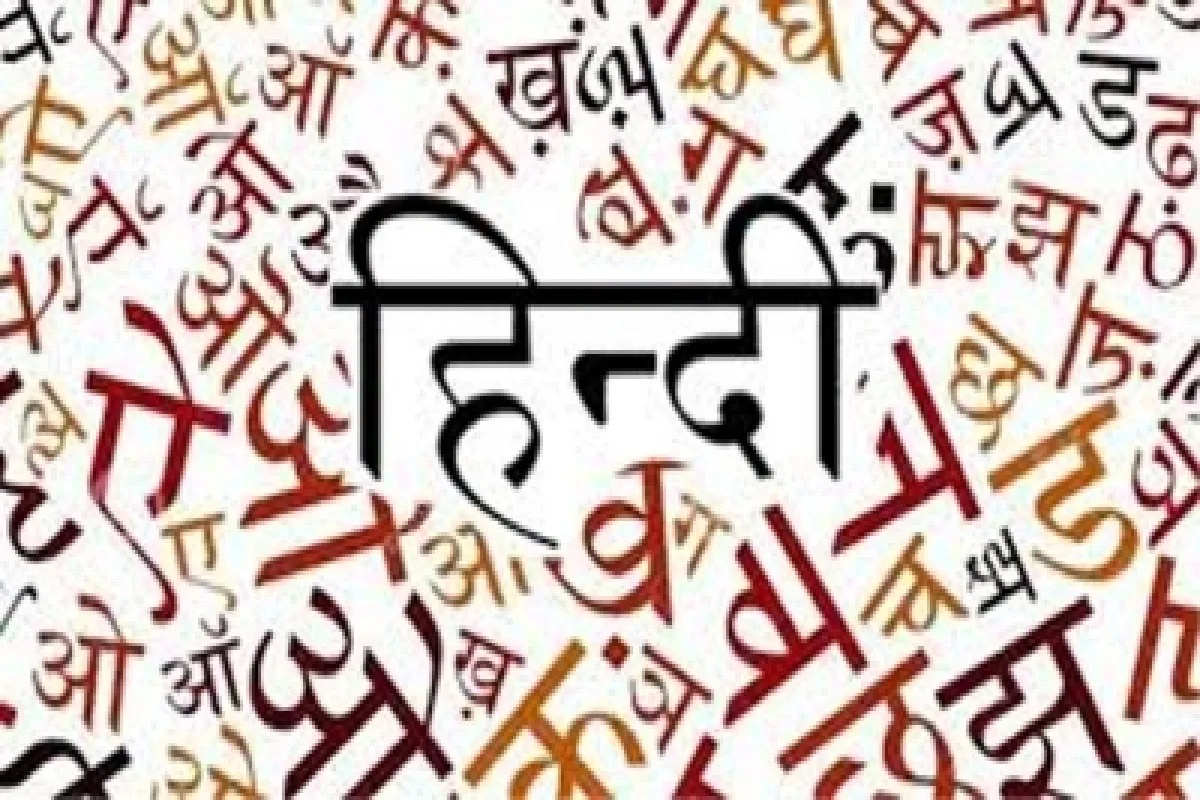
The recent uproar in Maharashtra over the mandatory inclusion of Hindi as a third language in state-run primary schools has revealed more than just pedagogical discontent. It has exposed deep seated anxieties about identity, culture, and the long standing tension between regional autonomy and central authority. In a state where language is not merely a medium of instruction but a cornerstone of selfhood, the controversy has acted as a spark in a room full of dry kindling. At the heart of the storm is a decision by the state government to implement the Union government’s three-language policy in primary education ~ introducing Hindi alongside Marathi and English. While the move was positioned as a matter of compliance with the National Education Policy, it was immediately perceived by many in Maharashtra as an encroachment on their linguistic space. The swift and visceral reaction was not surprising.
Language here is more than a tool of communication; it is a symbol of cultural continuity and political identity forged over decades of linguistic assertion. This is not the first time Maharashtra has wrestled with such issues. The state’s political history is intimately tied to the assertion of Marathi identity ~ dating back to the reorganisation of states on linguistic lines and the rise of nativist politics in the 1960s. Mumbai, in particular, has long served as both the economic magnet for migrants and the ideological battleground for those seeking to preserve Marathi hegemony in public life. The demographic shift driven by migration from the Hindi-speaking north has only amplified these concerns. What has added fuel to the fire is the reemergence of hard-line posturing by political actors.
Advertisement
The temporary truce between former chief minister Ud dhav Thackeray and Mr Raj Thackeray of the Maharashtra Navnirman Sena (MNS) ~ two figures long estranged but now united by a common cause ~ highlights how language can be wielded as an electoral weapon. Their joint rally against Hindi imposition may well influence the forthcoming municipal elections, but the larger cost is a society further divided along linguistic lines. Reports of violence against nonMarathi speakers, however isolated, cast a long shadow. They raise disturbing questions about the limits of identity politics and the ease with which cultural pride can slip into exclusion and coercion. The idea of India is premised on a rich tapestry of languages and cultures.
To allow any single language to be perceived as dominant risks eroding that delicate balance. Maharashtra’s strength has always been its ability to combine regional pride with cosmopolitan openness. To preserve that equilibrium, the language policy must be approached with sensitivity, not imposition. What children learn in school should reflect not only the realities of India’s diversity but also foster mutual respect, not mistrust. Language cannot unite when it is wielded as a tool of assertion; it can only do so when spoken in the spirit of inclusion.