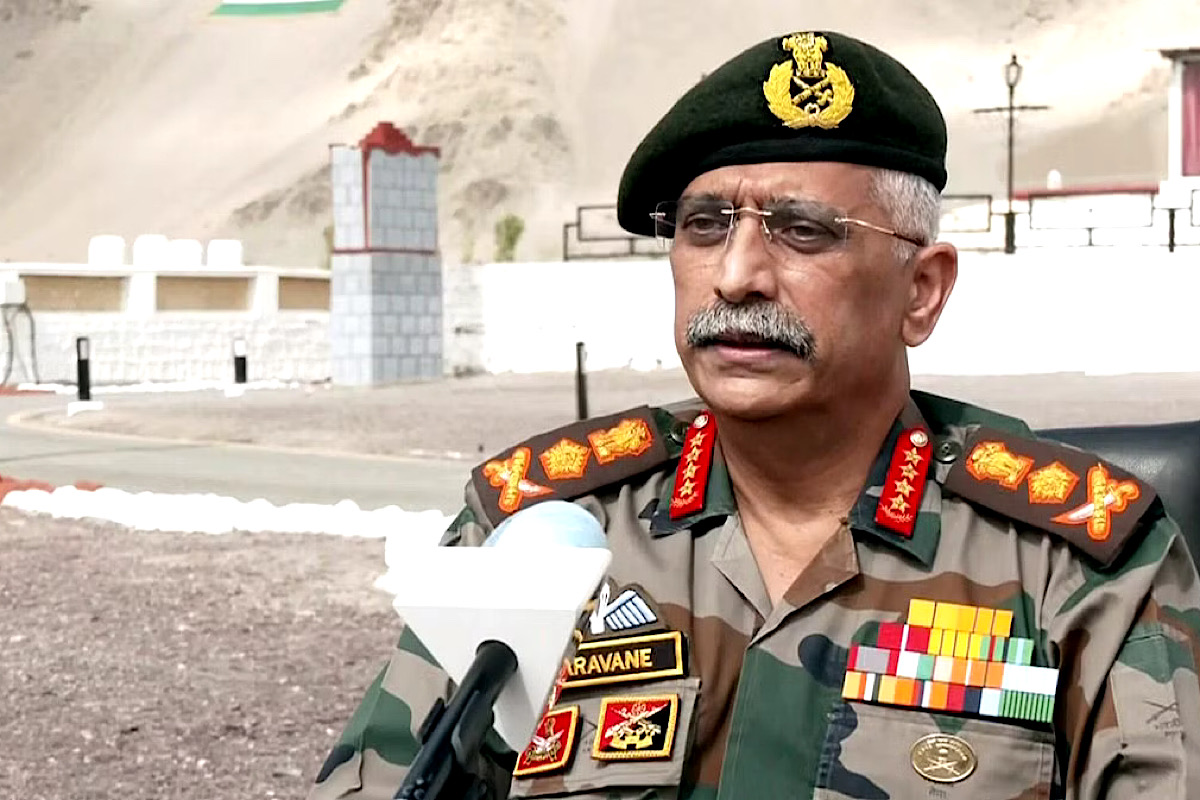
In military operations, transparency often involves a balance between strategic secrecy and public awareness. The recent delay in the release of former Army chief General M.M. Naravane’s memoir, “Four Stars of Destiny,” not only exemplifies this struggle but also raises questions about the dynamics of military decision making and the complexities that unfold behind the scenes.
The revelation that chapters of the book, including insights into the Agnipath scheme, are under scrutiny by the Ministry of Defence and External Affairs adds a layer of intrigue to a highly anticipated literary offering. The memoir promises a first-hand account of General Naravane’s experiences, shedding light on crucial moments during his tenure as Chief of Army Staff. At the heart of the delay lies the government’s cautious approach, evident in the careful review by both ministries.
Advertisement
The decision to postpone the release from January to around April 30 suggests an examination of content that could have farreaching implications. The fact that the Indian arm of a prominent global e-commerce platform has cancelled January orders emphasises the gravity of the situation, underlining the sensitivity surrounding the information said to be contained in the book.
The focal point of the controversy appears to be the Agnipath scheme, described as a ‘bolt from the blue’ in the excerpts. This tour of duty initiative seems to have caught not only the armed forces but also the political establishment off guard. General Naravane’s revelation about being handed a “hot potato” in dealing with Chinese troop movement in August 2020 adds another layer of complexity to the narrative. The memoir seems poised to provide an insider’s perspective on the challenges faced during this critical period. The reactions within the military establishment are palpable, as evidenced by the present Chief of Army Staff, General Manoj Pande’s careful choice of words during a recent press conference. His refusal to comment on his predecessor’s remarks on the Agniveer scheme and the insistence on moving forward speaks volumes about the unease within the ranks.
The delay, however, also raises broader questions about the delicate balance between military autonomy and political influence. General Naravane’s account of the Prime Minister’s Office considering the Tour of Duty scheme with a much wider scope and applicability, involving all three services, underscores the intricate interplay between military strategy and political decisions. The memoir seems poised to illuminate the challenges faced in harmonising these interests. As the country approaches a time of considerable ferment, with elections expected around April and May, the delayed release of the memoir is strategically poised to avoid being overshadowed by the political clamour. The unfolding political landscape may well be intertwined with the contents of the book, shaping public discourse and influencing perceptions. As readers eagerly wait for the unveiling of military intricacies, the delayed memoir holds the promise of providing a unique and authentic perspective on the inner workings of one of the key peri- ods in recent military history