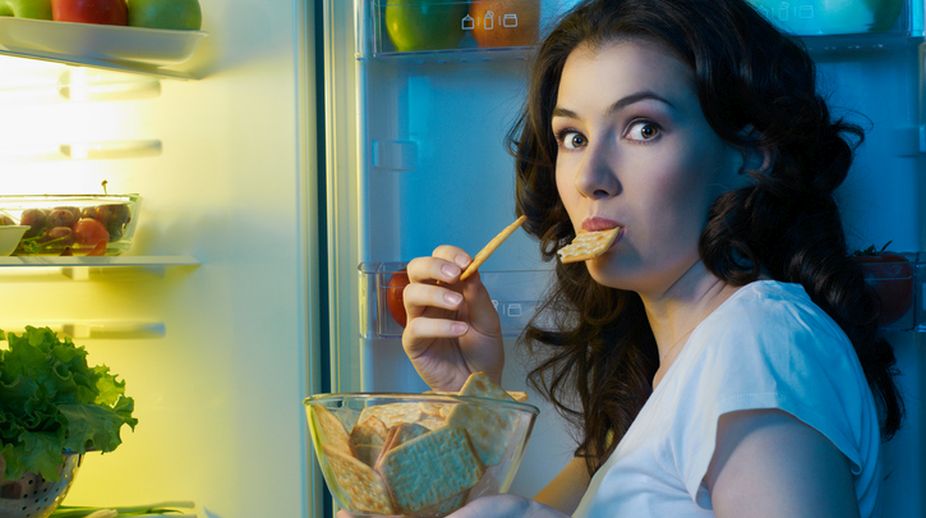
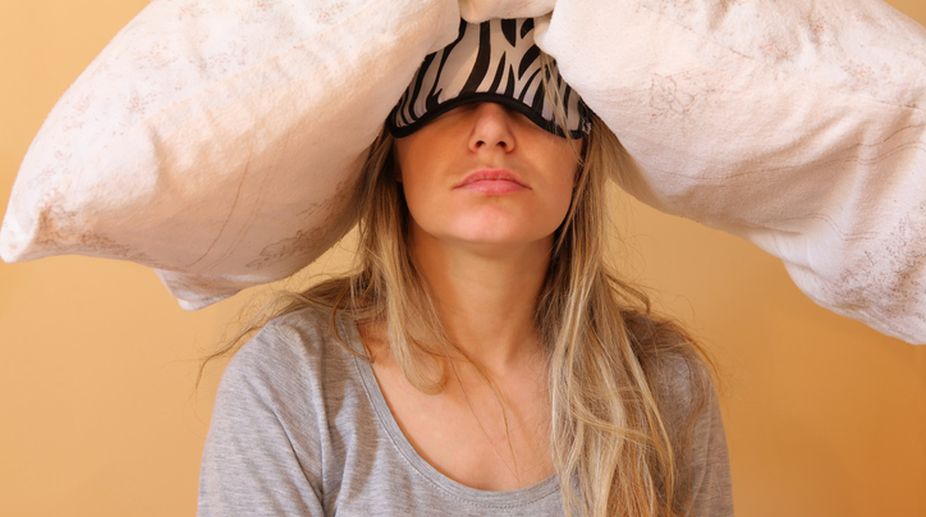
Are you in the habit of snacking in the middle of the night? Besides leading to unhealthy eating behaviours, it can also result in poor sleep and obesity, according to a new study.
The research showed that poor quality of sleep seemed to be a major predictor of junk food cravings, and it was associated with a greater likelihood of participants reporting obesity, diabetes and other health problems.
Advertisement
“Laboratory studies suggest that sleep deprivation can lead to junk food cravings at night, which in turn leads to increased unhealthy snacking at night, which then leads to weight gain,” said Michael A. Grandner from Department of Psychiatry in the University of Arizona in Tucson, US.
Advertisement
“This connection between poor sleep, junk food cravings and unhealthy night time snacking may represent an important way that sleep helps regulate metabolism,” Grandner added.
A phone-based survey conducted for this study, presented at the 32nd annual meeting of the Associated Professional Sleep Societies LLC (APSS) in Baltimore, analysed data from 3,105 adults.
The results showed that about 60 percent
of the participants reported regular nighttime snacking and two-thirds reported that lack of sleep led them to crave more junk food.
The team also found that junk food cravings were associated with double the increase in the likelihood of night time snacking, which was associated with an increased risk for diabetes.
“Sleep is increasingly recognised as an important factor in health, alongside nutrition. This study shows how sleep and eating patterns are linked and work together to promote health,” said Christopher Sanchez from the varsity.
Police have invoked Section 125 of the Bharatiya Nyaya Sanhita against the anaesthetist following a complaint by the child's family, even as the hospital says an unexpected cardiac arrest occurred despite standard treatment protocols.
Once regarded as a journey marked by prolonged recovery, considerable discomfort, and months of rehabilitation, knee replacement surgery is entering a new era of precision and faster healing.
“Doctor, will my face ever go back to the way it was before?" The question sounds simple, but for many people living with Systemic Sclerosis, it carries an ocean of fear, uncertainty, and silent emotional trauma.