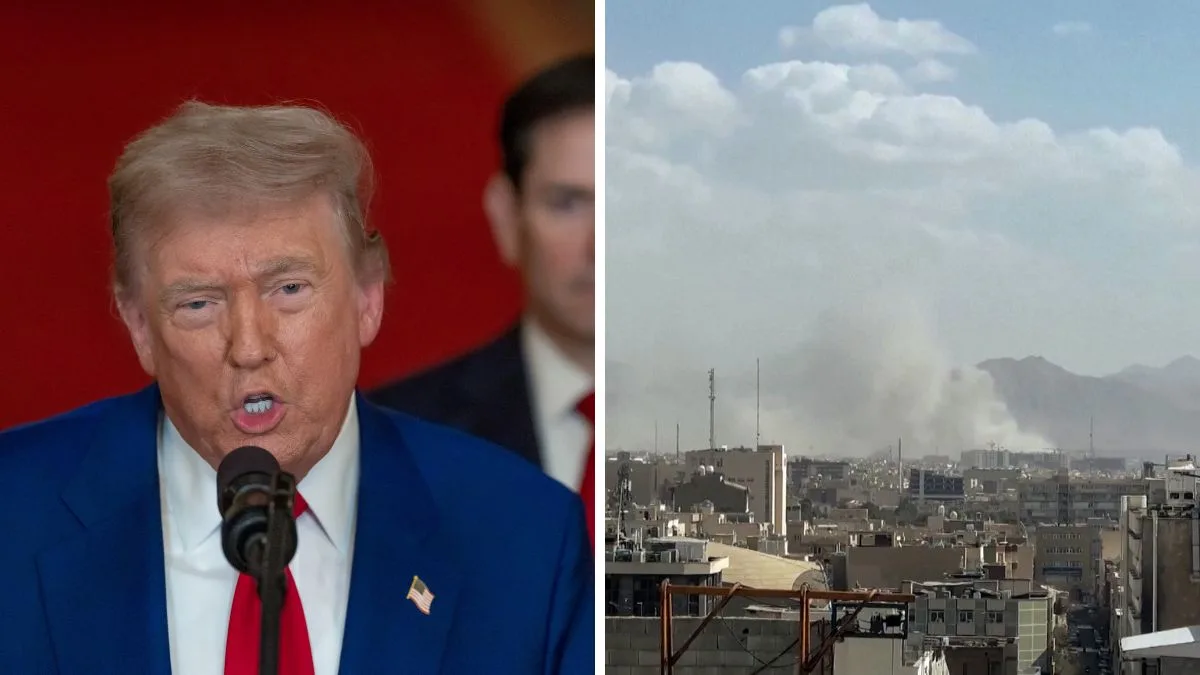
Fighting between the United States, Israel and Iran, which began with strikes on February 28, continues to reshape the geopolitical landscape across West Asia. Military operations targeting Iranian nuclear and missile infrastructure remain underway, even as political messaging from Washington hints at possible diplomatic openings.
On March 4, fresh statements from the Trump administration highlighted both the military objectives of the campaign and its possible political aftermath. Oil markets have reacted sharply to fears of disruption around the Strait of Hormuz, while US officials continue to defend the strikes as necessary to prevent Iran from acquiring nuclear weapons.
Advertisement