Who is Bill Pulte? Trump’s pick to lead US intelligence after Tulsi Gabbard exit
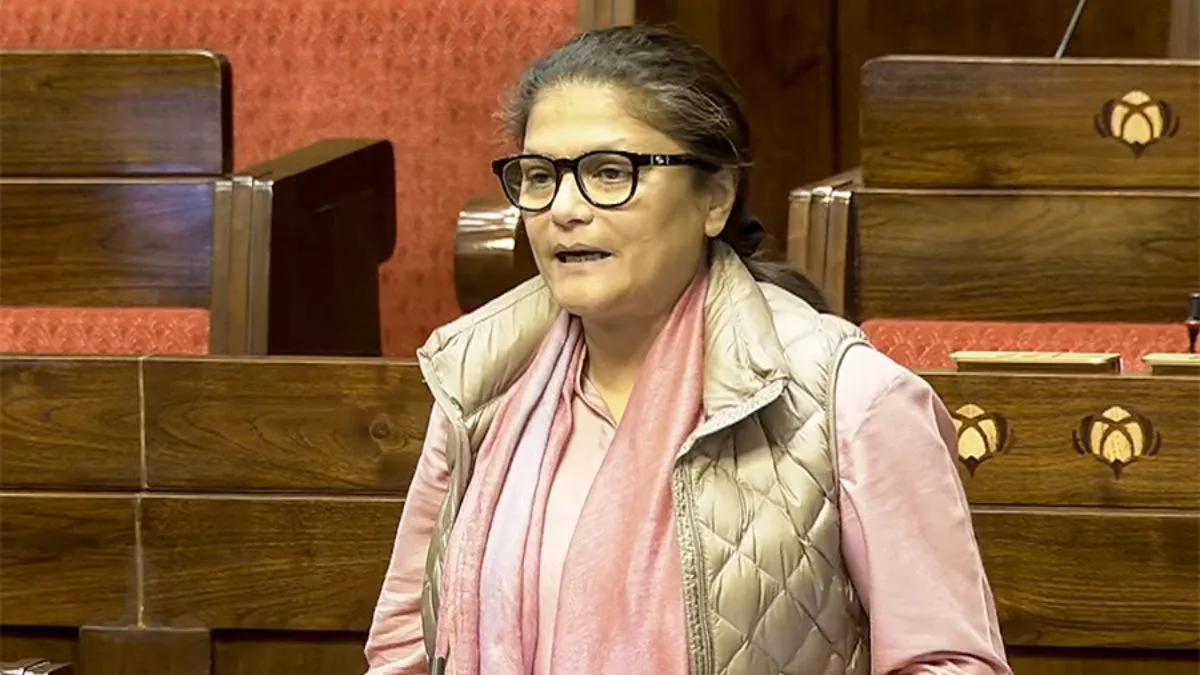
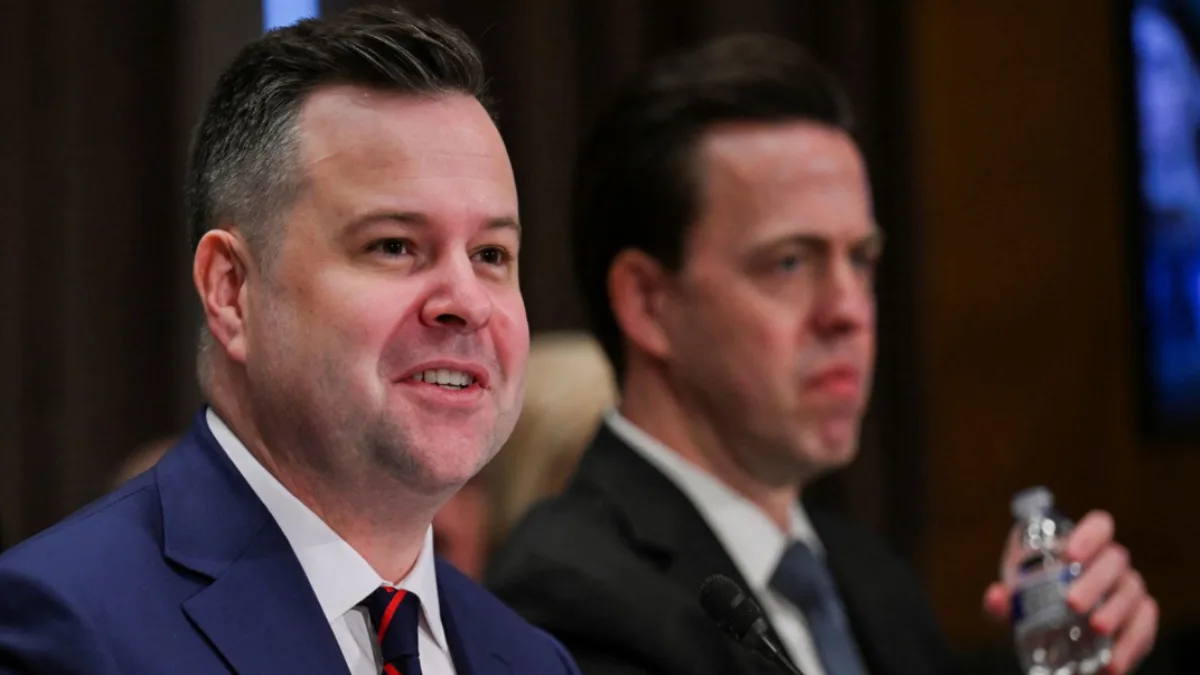
The appointment comes shortly after the resignation of Tulsi Gabbard, who is expected to remain with the agency until June 30 to assist with the transition process.
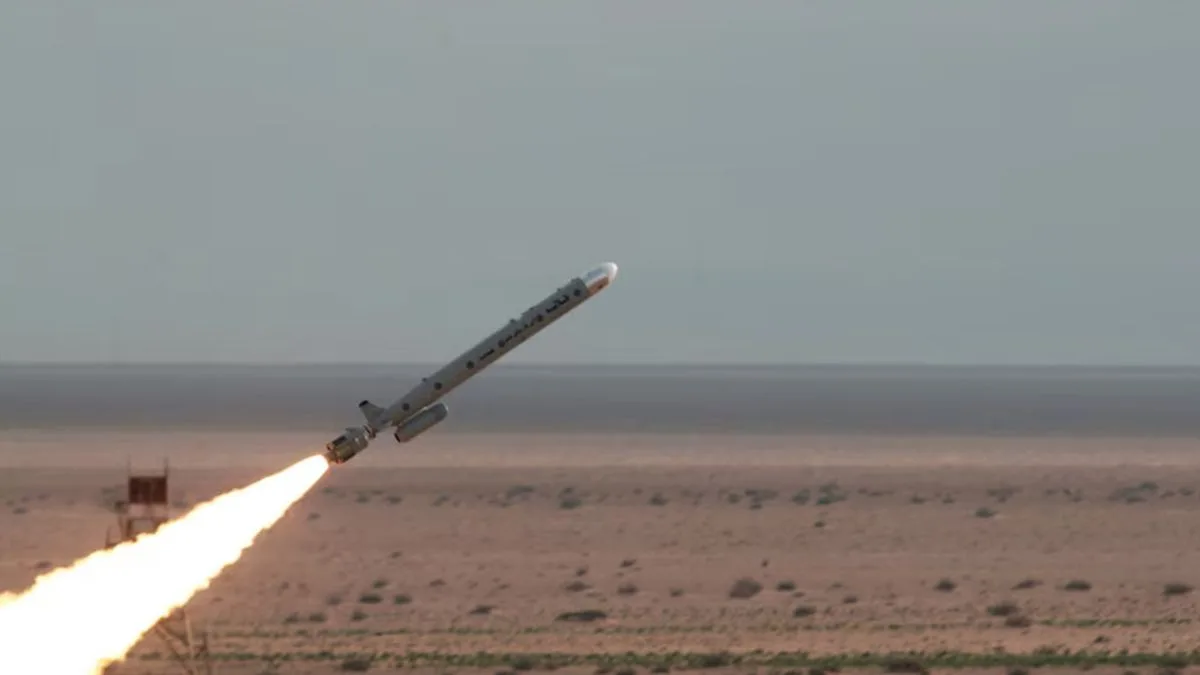
US President Donald Trump has said Washington will keep the Strait of Hormuz effectively shut as leverage against Iran, signalling that the vital oil route will reopen only when a deal is reached.





US President Donald Trump (Photo: X/@WhiteHouse)
The Strait of Hormuz, the narrow passage through which a significant share of the world’s oil moves, has become the centrepiece of the US-Iran standoff. It is not just a flashpoint, but a pressure tool.
Speaking at the White House, Trump made it clear the closure is deliberate. He also added that reopening the route now would allow Iran to earn “$500 million a day”, something he is unwilling to permit.
Advertisement
“They would have opened it up 3 days ago. They came to us, and they said, ‘We will agree to open the Strait.’ All my people were happy except me. I said, ‘One minute, if we open the Strait, that means they are going to make $500 million a day.’ I don’t want them to make $500 million a day until they settle this thing. So I am the one that kept it closed. We have total control of it. It will open when they make a deal or something else happens that is very positive,” he said.
Advertisement
Trump also claimed that the blockade in place is “airtight”, suggesting that movement through the route is tightly controlled as part of a broader strategy to weaken Iran’s position.
With tensions rising in the Gulf, Trump said several ships are now heading towards the United States instead of passing through the Strait of Hormuz.
He added that the US is producing more oil than ever and is not facing a supply crunch, even as the situation continues to disrupt traditional energy routes.
” … We have this unbelievable economy… I called JD, Marco, Howard and Scott and told them that I hate to tell you, but we have to do a little bit of a detour. We have to go to Iran and make sure that they are out of nuclear weapons… A lot of ships are coming to the United States, and they are using the United States instead of the Hormuz Strait… We don’t have an oil shortage… We are right now producing more oil than Saudi Arabia and Russia combined… We are taking in millions of barrels of oil from Venezuela,” he said.
The Strait of Hormuz links oil producers in the Gulf to global markets, and any disruption has immediate ripple effects on prices and supply chains.
Even as Washington asserts control, Tehran is signalling that it too holds leverage over the waterway.
Iran’s central bank confirmed that revenue from newly introduced transit fees for vessels passing through the Strait has already been deposited, dismissing speculation that payments were being made in cryptocurrency.
Deputy Parliament Speaker Hamidreza Hajibabaee said all ships using the route must pay tolls in Iranian rials, calling it a rightful charge for passage through Iran’s territorial waters.
He also said two vessels had been seized for violations, warning that more could follow if needed.
The message from Tehran is equally clear. The Strait is not just a route, but a point of control.
Both sides are now framing the Strait of Hormuz as a symbol of dominance.
Trump has insisted that no ship can move without US approval, while Iranian officials have stressed that all tanker lanes fall within Iran’s territorial reach.
But the competing claims reveal the deeper reality of the conflict. Control over energy, not just territory.
With around one-fifth of global oil and a significant portion of gas shipments passing through the route, the stakes go far beyond the immediate confrontation.
Trump has signalled that he is in no hurry to reopen the Strait or conclude a deal.
“I don’t want to rush it… we have plenty of time,” he said, suggesting that Iran faces increasing pressure as its oil flows remain restricted.
For now, the Strait of Hormuz remains less a shipping route and more a bargaining chip. One that could shape the next phase of the conflict.
Advertisement