Pakistan’s attempt to deny reports of assisting Iran during the recent US-Iran conflict appears to have backfired after its own Foreign Ministry acknowledged that Iranian aircraft are currently stationed inside the country.
The development has intensified scrutiny over Islamabad’s role in the Iran-US negotiations. While Pakistan has projected itself as a neutral facilitator in the talks, the latest admission has triggered questions in Washington over whether it quietly sided with Tehran during the conflict.
Advertisement
In a statement issued on Tuesday, Pakistan’s Ministry of Foreign Affairs (MoFA) sought to dismiss reports claiming that Iranian military aircraft had been allowed to use Pakistani airbases. However, while rejecting the allegations, the ministry confirmed that Iranian aircraft were indeed parked in Pakistan during the ceasefire period.
“The Iranian aircraft currently parked in Pakistan arrived during the ceasefire period and bears no linkage whatsoever to any military contingency or preservation arrangement,” the statement said.
The clarification came after a report by CBS News claimed that Pakistan had quietly permitted Iranian military aircraft to use its airfields during the conflict, potentially shielding them from possible American strikes.
According to CBS News, which cited two US officials, Pakistan supported Iran during the conflict while simultaneously trying to maintain favourable ties with the United States.
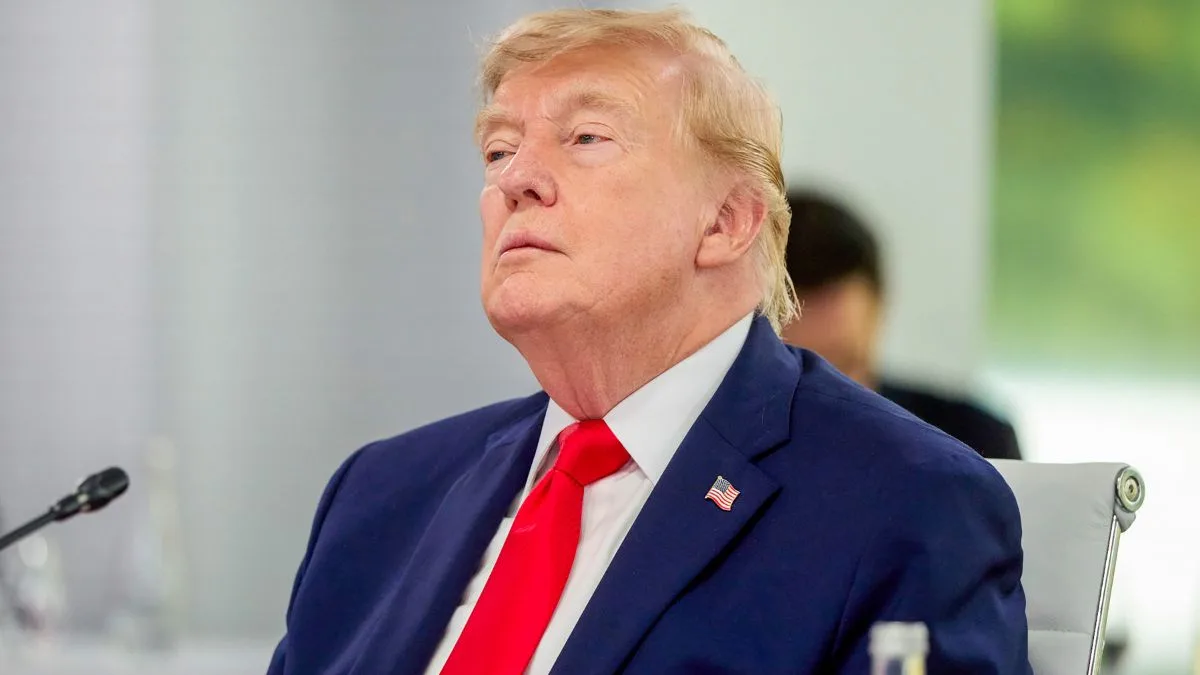
The report further stated that several Iranian aircraft were flown to Pakistan’s Nur Khan Air Base days after US President Donald Trump announced a ceasefire with Tehran in early April.
Among the aircraft allegedly moved to Pakistan was an Iranian Air Force RC-130 reconnaissance aircraft, a surveillance and intelligence-gathering variant of the Lockheed C-130 Hercules.
Why Pakistan’s Iran aircraft admission has raised eyebrows
Pakistan’s Foreign Ministry attempted to describe the aircraft movement as part of diplomatic and logistical coordination linked to the talks process.
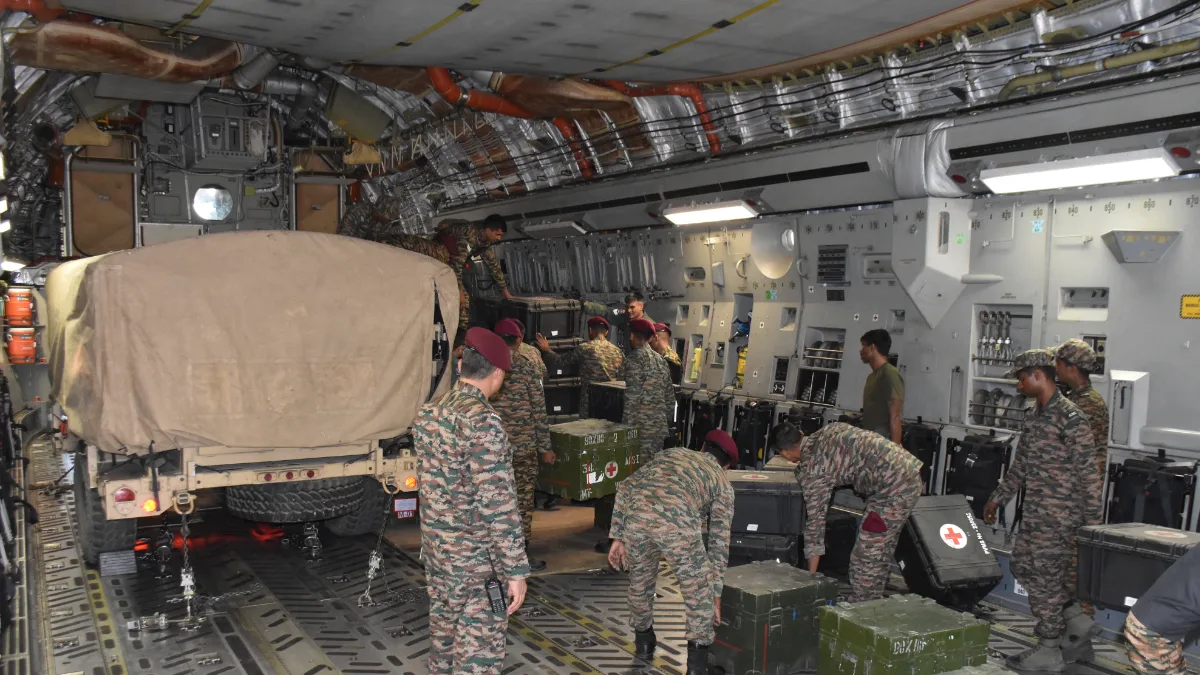
“A number of aircraft from Iran and the United States arrived in Pakistan to facilitate the movement of diplomatic personnel, security teams, and administrative staff associated with the talks process. Some aircraft and support personnel remained temporarily in Pakistan in anticipation of subsequent rounds of engagement,” the ministry said.
However, the statement stopped short of explaining why military reconnaissance aircraft would remain stationed at a highly secured military installation if the arrangement was only administrative.
The episode has complicated Islamabad’s balancing act between Tehran and Washington, especially as Pakistan had positioned itself as a mediator during the conflict.
US lawmakers question Pakistan’s neutrality
The reports have also triggered concern within sections of the US establishment.
US Senator Lindsey Graham, a close ally of President Trump, publicly questioned Pakistan’s role after the reports surfaced.
In a post on X, Graham said he would “not be shocked” if Pakistan had taken such a step, referring to previous statements made by Pakistani officials on Israel.
According to CNN, some people close to Trump have also raised doubts about Pakistan’s mediation role between Washington and Tehran.
The report said concerns have emerged within the US administration over whether Pakistan accurately conveyed Washington’s position to Iran during the talks.
CNN further reported that some officials believe Islamabad presented a softer and more favourable interpretation of Iran’s position to the US administration than what actually existed on the ground.
The growing mistrust has reportedly deepened after Trump rejected Tehran’s response to his peace proposal, which had been communicated to Washington through the Pakistani side.
Pakistan now finds itself facing diplomatic pressure from multiple sides as questions mount over whether it acted as a neutral mediator or quietly provided strategic support to Tehran during the conflict.