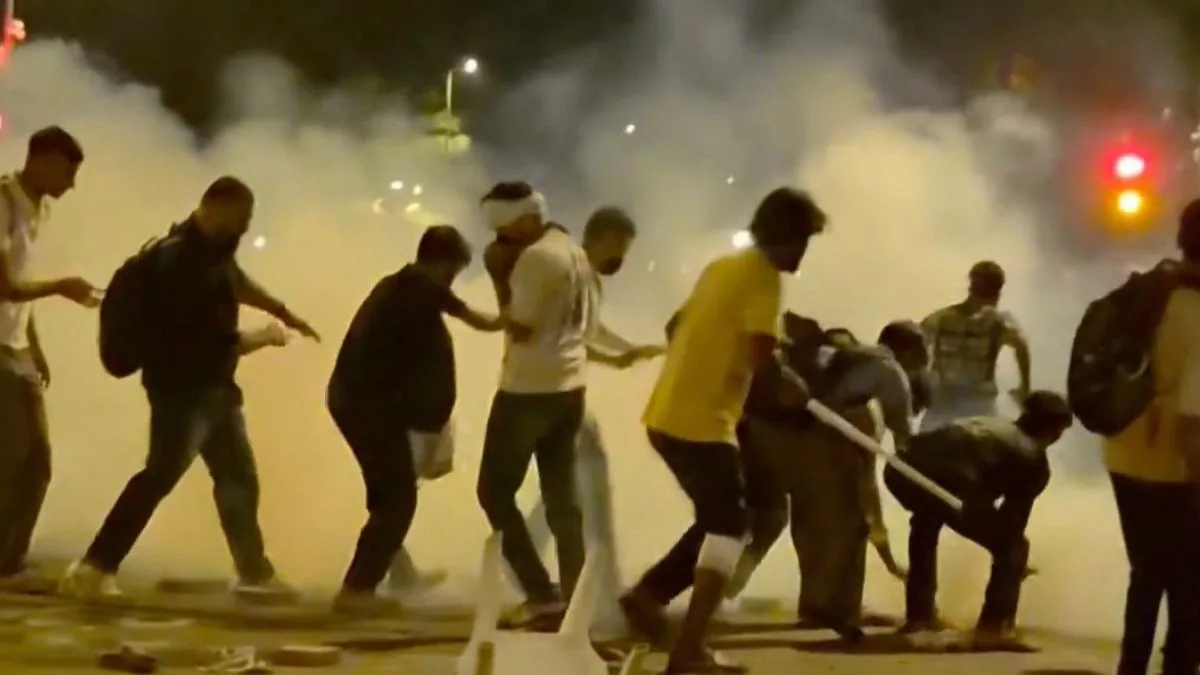
The protests against the Ayatollah Ali Khamenei regime in Iran entered their ninth day on Monday, spreading to more than 100 locations across 22 of the country’s 31 provinces.
According to the Human Rights Activists News Agency (HRANA), the nationwide protests were sparked by rising inflation and a sharp decline in the Iranian currency. They began on December 28, when traders took to the streets against the Khamenei regime.
Advertisement
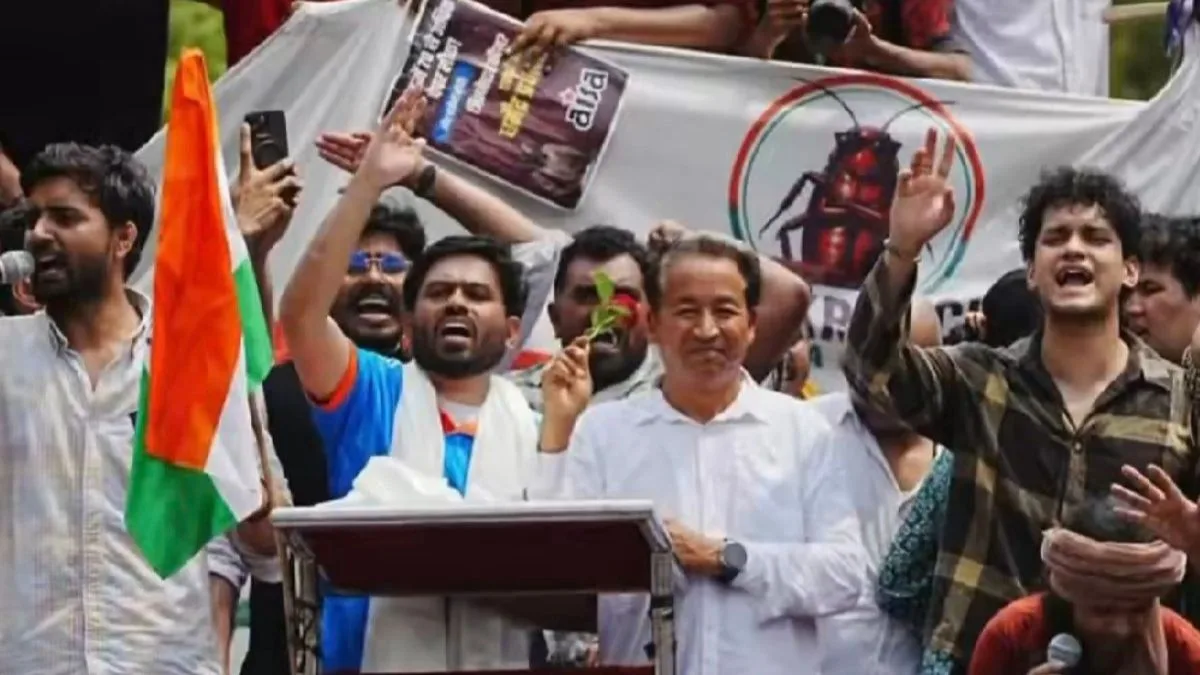
University students soon joined the agitation as the protests spread rapidly across the country.
Advertisement
So far, at least 20 people, including three children, have been killed and nearly 1,000 protesters arrested, according to human rights groups, which allege “indiscriminate targeting of civilians” by the Khamenei regime. Security forces are also alleged to have raided hospitals where injured protesters were undergoing treatment.
Meanwhile, the Iranian regime has warned that the protests have been infiltrated by foreign agents and said such elements would be dealt with firmly.
Mohammad Baqer Qalibaf, Speaker of Iran’s Parliament, said on Monday that the protesters’ “legitimate demands” would be heard. He added that “the government is determined to respond to rightful public demands through planned measures, and public protest should serve as a basis for reforms in favour of the people.”
However, he warned that “individuals linked directly or indirectly to foreign intelligence services who seek to hijack protests and turn them into unrest” would be met with a firm response.
Earlier, Iran’s Supreme Leader Ayatollah Ali Khamenei had also warned that “rioters” would be “put in their place”.
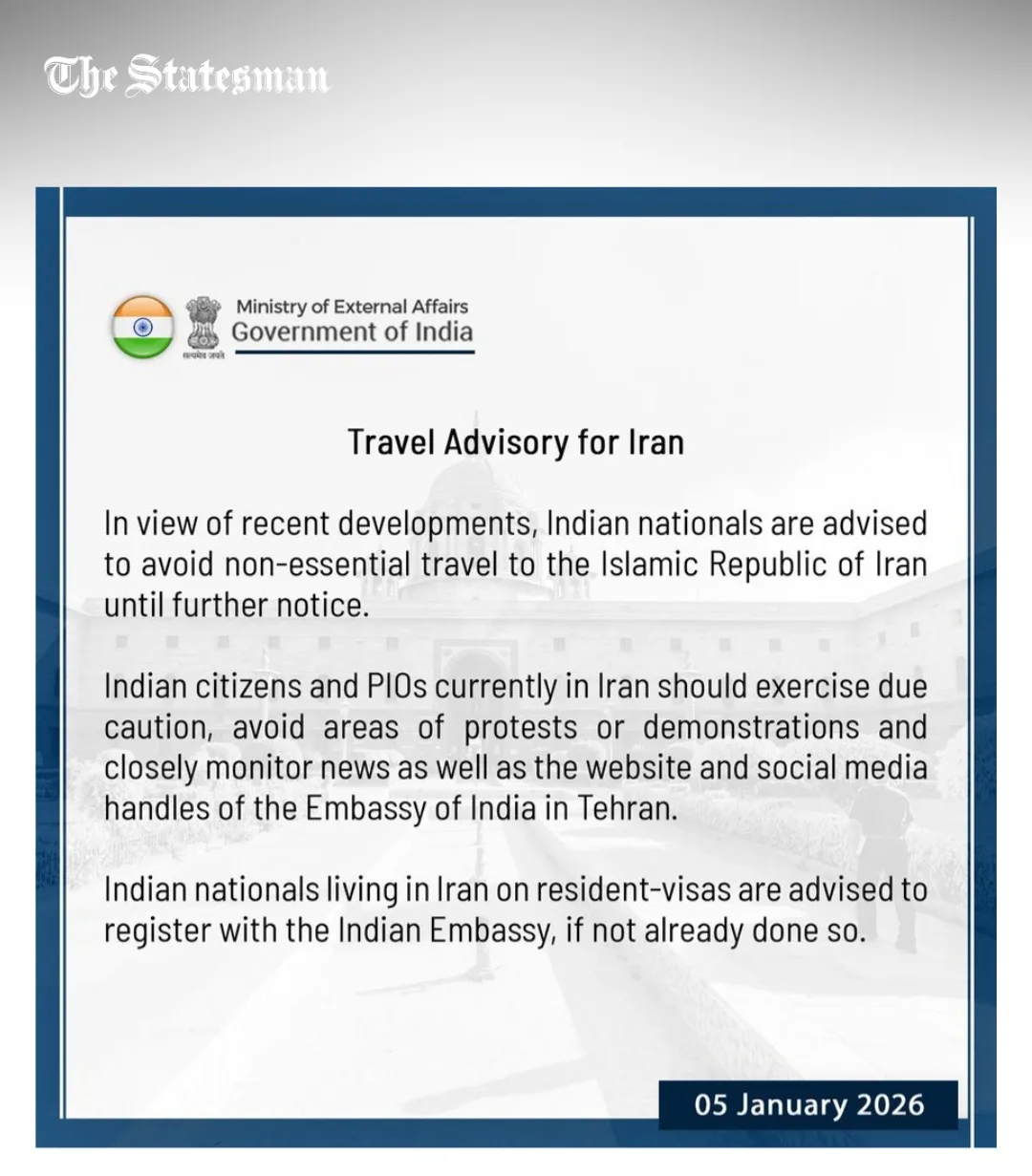
In view of the protests, India has issued an advisory asking its nationals to avoid non-essential travel to Iran.
“In view of recent developments, Indian nationals are advised to avoid non-essential travel to the Islamic Republic of Iran until further notice,” the advisory said.
Indians already in the country have been asked to exercise due caution, avoid areas witnessing protests, and closely monitor news updates as well as the website and social media handles of the Indian Embassy.
Trump’s intervention warning
Meanwhile, US President Donald Trump has again warned the Iranian regime, saying it would “get hit very hard” if more protesters are killed.
“We’re watching it very closely. If they start killing people like they have in the past, I think they’re going to get hit very hard by the United States,” he told reporters aboard Air Force One on Sunday.
Earlier, the US President had said that the United States would intervene if peaceful protesters were killed by Iranian security forces.
Multiple power centres engage in parallel diplomacy as conflict-hit West Asia sees fragile ceasefire, renewed talks, sanctions pressure and strong public mobilisation across the region.
Trump sharpens rhetoric against Pope Leo XIV amid Iran tensions, defending his stance on nuclear threats while the Vatican calls for peace and avoids political confrontation.
In a statement, Dr. Farooq said that the protests reflected the deep emotional anguish felt by many people in Jammu and Kashmir over the developments in Iran, a country with which the people of the region share long-standing cultural and spiritual connections.