How China-linked operators used ChatGPT to stir America’s tech debates
OpenAI said the activity involved two account clusters, including one focused on AI data centres and another on tariffs, cartoons and technology narratives.
What began as a measured announcement about mental health and personalization quickly turned into a full-blown viral moment. All thanks to one word: ‘erotica’.




File Photo
The internet loves a good twist, especially when it comes from the man behind ChatGPT.
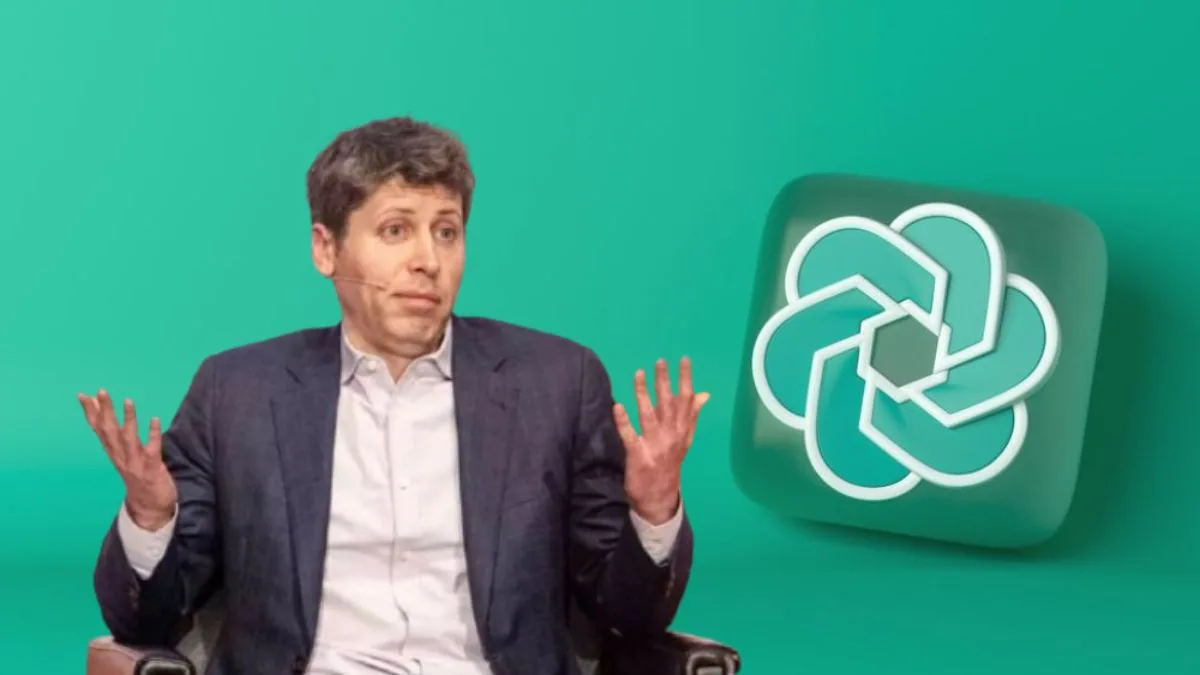
On Thursday, OpenAI CEO Sam Altman sent social media into a frenzy after posting a thread on X (formerly Twitter) about upcoming changes to ChatGPT. What began as a measured announcement about mental health and personalisation quickly turned into a full-blown viral moment. All thanks to one word: ‘erotica’.
Advertisement
Altman began by explaining that ChatGPT was originally designed to be “pretty restrictive”, mainly to avoid potential harm related to mental health issues. The company, he said, took a cautious route, even if it meant making the AI seem “less useful or enjoyable” to many users.
Advertisement
We made ChatGPT pretty restrictive to make sure we were being careful with mental health issues. We realize this made it less useful/enjoyable to many users who had no mental health problems, but given the seriousness of the issue we wanted to get this right.
Now that we have…
— Sam Altman (@sama) October 14, 2025
But now, Altman says, OpenAI feels ready to open the gates a little wider. “We’ve been able to mitigate the serious mental health issues and have new tools,” Altman wrote. “Now we’re going to safely relax restrictions in most cases.”
He revealed that a new version of ChatGPT is coming in the next few weeks, one that will let users customise its personality. Think of it as ChatGPT with moods, quirks, and maybe even a sense of humour that feels a little more alive.
Altman hinted that users could choose to have their AI respond in a “very human-like way”, use emojis freely, or even act like a friend but only if the user wants that kind of experience.
Then came the line that set the internet on fire: “In December, as we roll out age-gating more fully… we will allow even more, like erotica for verified adults.”
That single sentence overshadowed the rest of the announcement. Within minutes, “erotica” started trending, memes flooded X, and users joked that ChatGPT 5 might soon turn into the internet’s most romantic pen pal.
Seeing the chaos unfold, Altman jumped back online to clarify. “Ok this tweet about upcoming changes to ChatGPT blew up on the erotica point much more than I thought it was going to!” he admitted.
Ok this tweet about upcoming changes to ChatGPT blew up on the erotica point much more than I thought it was going to! It was meant to be just one example of us allowing more user freedom for adults. Here is an effort to better communicate it:
As we have said earlier, we are… https://t.co/OUVfevokHE
— Sam Altman (@sama) October 15, 2025
Altman explained that the point wasn’t about adult content. It was about freedom of choice. OpenAI, he emphasised, plans to treat adult users like adults, while maintaining strict safety protections for minors.
He underlined that the company would continue to prioritise safety over privacy and freedom for teenagers, ensuring that younger users remain shielded from inappropriate content.
For adults, however, the goal is different: to give them greater control over how they interact with AI. “We are not the elected moral police of the world,” Altman wrote, drawing comparisons to how society handles R-rated movies: clear rules for minors, more freedom for adults.
He also stressed that mental health policies will remain unchanged and that OpenAI will continue to handle users in crisis with special care.
The broader idea, Altman said, is to make AI a tool for personal expression and support, not control. “Allowing freedom for people to use AI in the ways they want is an important part of our mission,” he wrote.
Still, most people online didn’t read that far. The memes kept coming.
Advertisement