India-UK trade agreement rules notified, set to come into force on July 15
The rules in this regard have been issued by the Central Board of Indirect Taxes and Customs (CBIC).
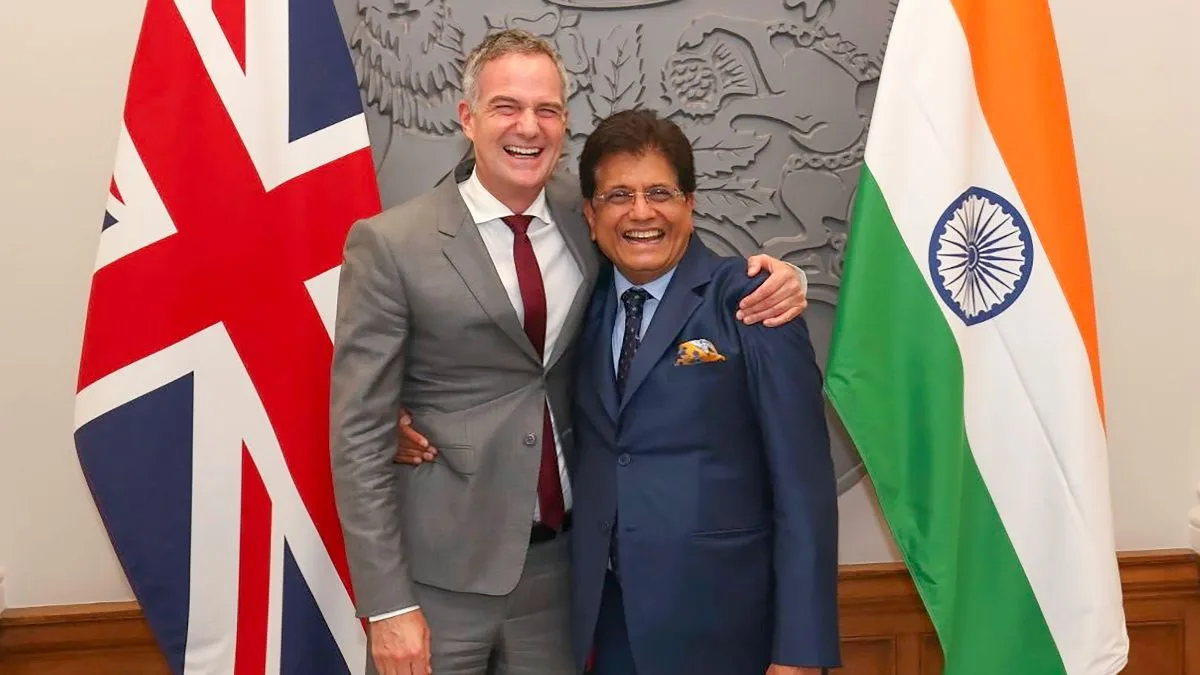
The rules in this regard have been issued by the Central Board of Indirect Taxes and Customs (CBIC).
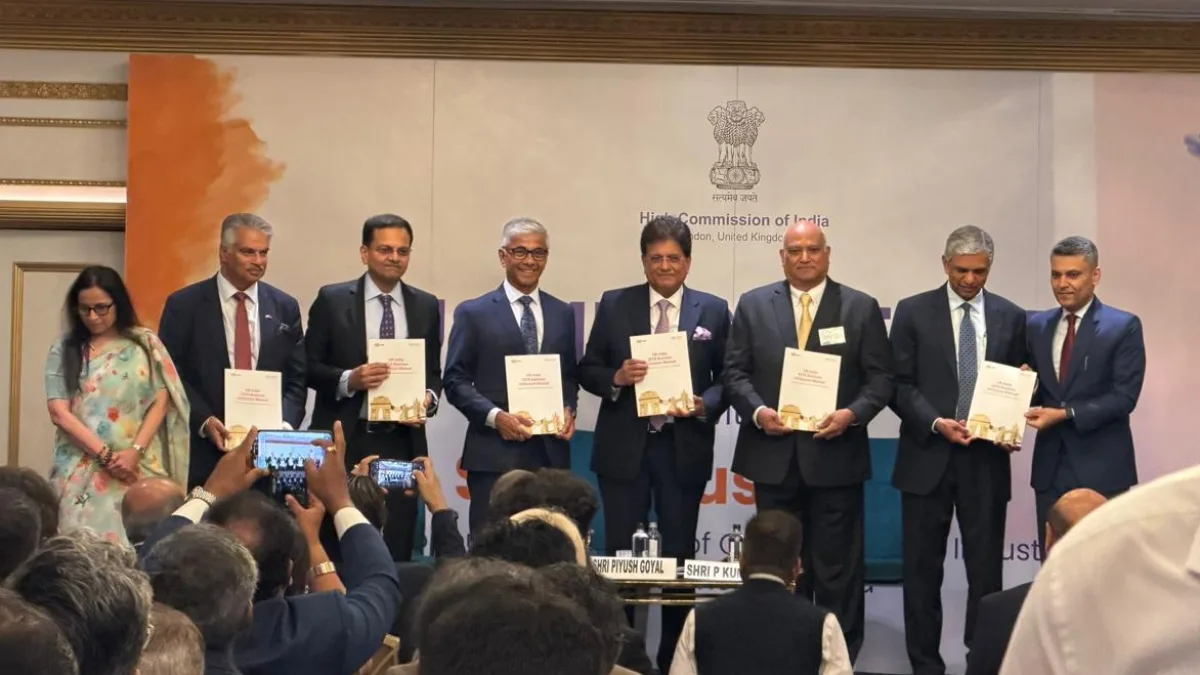
The manual, developed jointly by the UKIBC and HSBC India, provides a sector-wise roadmap by converting key provisions of the agreement into actionable insights for businesses.
At the event, experts emphasised that the IPR chapter balances fostering innovation with ensuring public access.

The India-UK Comprehensive Economic and Trade Agreement (CETA) goes beyond goods and addresses services exports, which are a core strength of India’s economy.

With the recently signed Comprehensive Economic and Trade Agreement (CETA) between India and the United Kingdom, India has for the first time signed up to a detailed chapter on trade and gender equality, besides a clear assertion in the preamble to “increasing women’s access to and ability to fully benefit from the opportunities created by this Agreement.”

The pact is expected to particularly benefit exports of shrimp, frozen fish, and value-added marine products—boosting India’s presence in one of its major seafood destinations alongside labour-intensive sectors like textiles, leather, and gems and jewellery.

The Scotch whisky imports from the UK are set to get cheaper for Indian consumers, with tariffs slashed from 150 per cent to 75 per cent as India and the UK have signed the Comprehensive Economic and Trade Agreement (CETA).