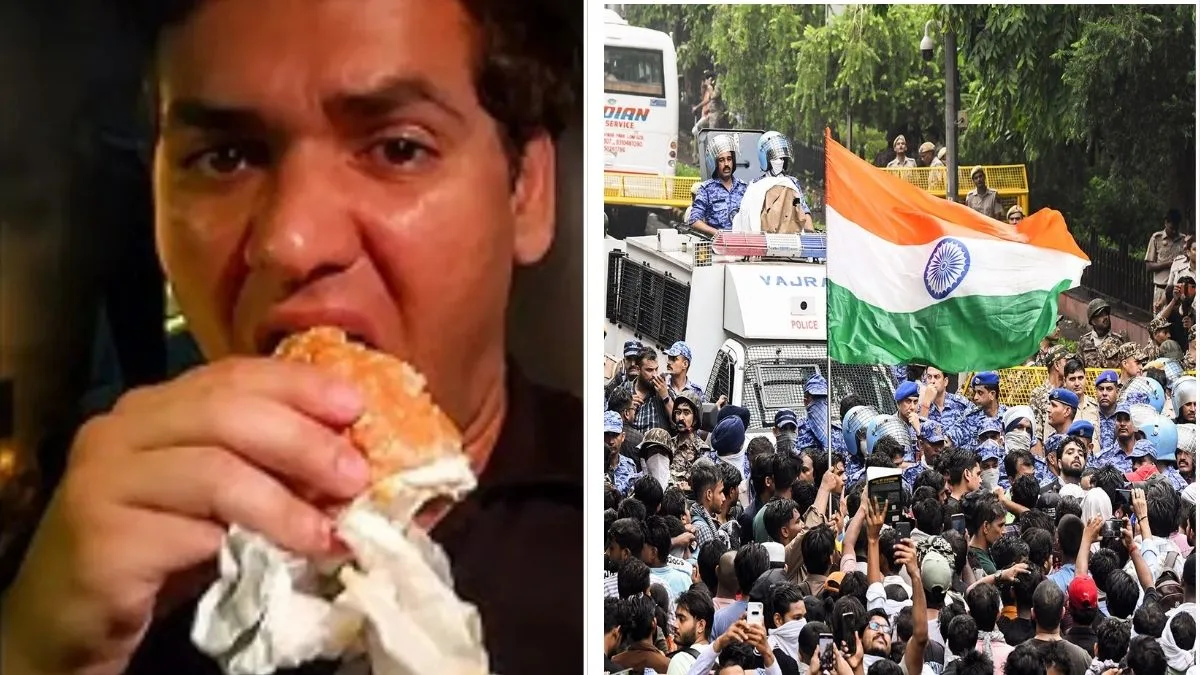
‘Not a single photo of Shreyas Iyer’: Fans criticise KKR over IPL 2024 title anniversary post
Kolkata Knight Riders faced backlash from fans after Shreyas Iyer was missing from the main image in the franchise’s IPL 2024 title anniversary post.
Mustafizur Rahman, the most expensive Bangladeshi player in IPL history, is unlikely to receive any financial compensation from the franchise following his release.




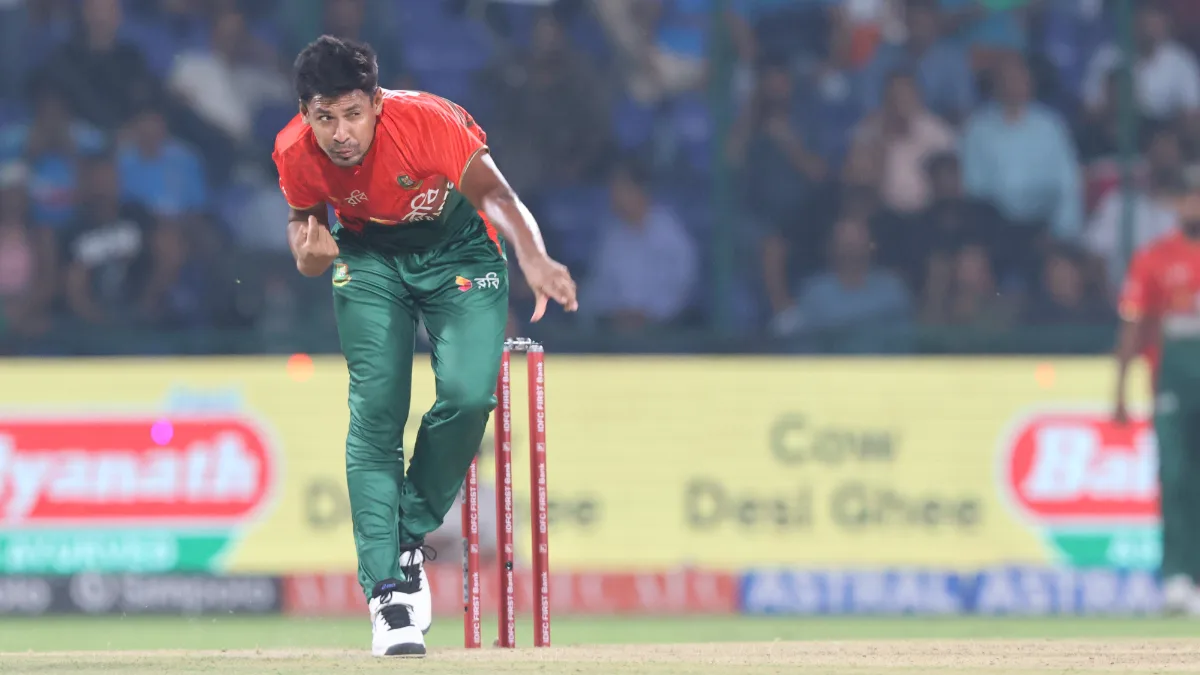
Bangladesh's Mustafizur Rahman bowls a ball during the second T20 match between India and Bangladesh at Arun Jaitley Stadium in New Delhi on Wednesday, October 09, 2024. (Photo: IANS/Raj Kumar)
Following directives from the BCCI, Kolkata Knight Riders (KKR) have released Bangladesh pacer Mustafizur Rahman from their squad. Rahman, who was bought for ₹9.20 crore at the IPL mini-auction, making him the most expensive Bangladeshi player in IPL history, is unlikely to receive any financial compensation from the franchise following his release.
Advertisement
Despite no fault on his part in the ongoing situation, Rahman stands to be significantly affected. He had attracted competitive bids from Chennai Super Kings and Delhi Capitals before eventually landing with KKR at the auction.
Advertisement
The move has sparked widespread debate, as Rahman neither voluntarily withdrew from the IPL nor has he been accused of any wrongdoing. The existing insurance framework offers little scope for compensation in such cases. While IPL player salaries are insured, foreign players are partially covered only if they sustain injuries after joining the team camp or during the tournament period. Since Rahman was released before reporting for KKR duty, his case does not fall under the current compensation framework, making KKR not contractually obligated to pay him any amount.
In the aftermath of Rahman’s release, the Bangladesh Cricket Board (BCB) reacted strongly, demanding that Bangladesh’s matches in the upcoming T20 World Cup be shifted from India to Sri Lanka, citing security concerns for their players. The T20 World Cup is scheduled to begin on February 7, 2026, with the final set for March 8, 2026.
The situation has unfolded against the backdrop of reported violence against Hindu minorities in Bangladesh, following which the BCCI issued a directive asking KKR to release Rahman and allowing the franchise to replace him with another player.
Kolkata Knight Riders confirmed that Mustafizur Rahman has been released from the squad after instructions from BCCI/IPL. The move followed due process, and the franchise will be allowed to sign a replacement player under IPL regulations.#KolkataKnightRiders #KKR… pic.x.com/4URaMnEqb4
— The Statesman (@TheStatesmanLtd) January 3, 2026
In retaliation, the BCB also imposed an indefinite ban on the broadcast of IPL and related programmes in Bangladesh.
With political tensions between the two neighbouring countries spilling over into the cricketing ecosystem, developments have continued to escalate. It remains to be seen whether the fallout extends beyond cricket and begins to impact other sports as well.
Advertisement