Extraction of minerals from the Indian offshore: Opportunities and challenges
The mineral economy of India is at a crucial moment of structural transition.

The mineral economy of India is at a crucial moment of structural transition.
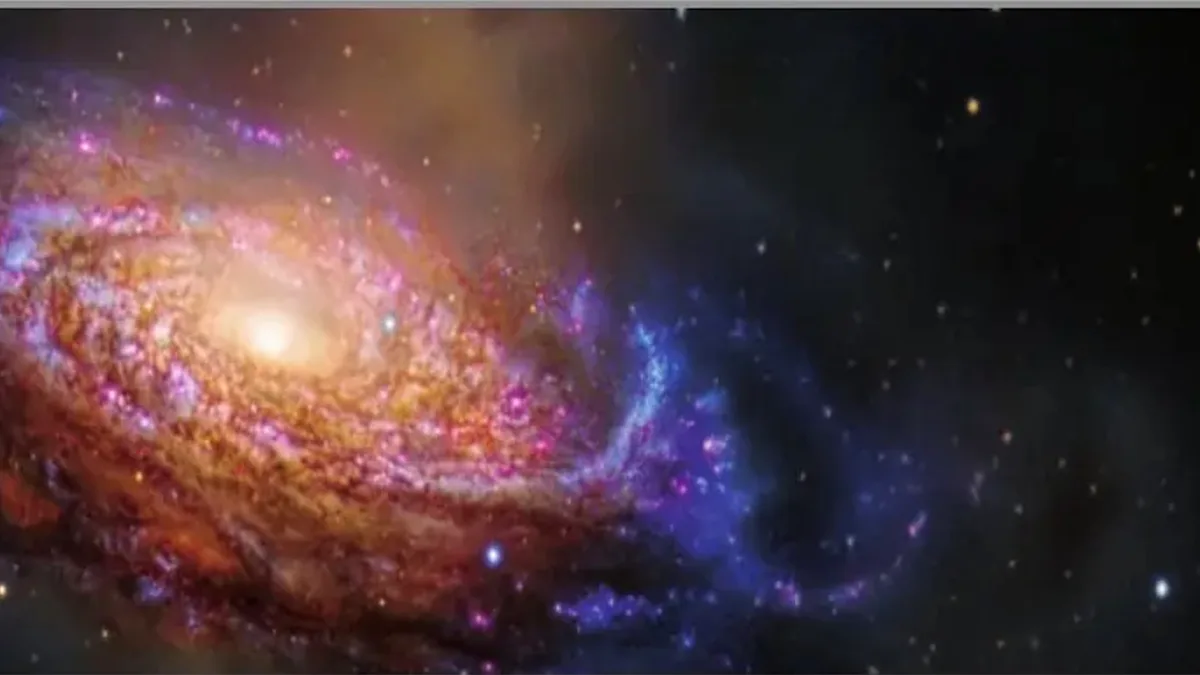
Physicists have long been fascinated with dark matter. Scientists discovered that observable matter, stars, galaxies, nebulae, and planets, can only account for 5% of the universe’s structure.

Scientists have recently unraveled the decades-old mystery of the pigeons travelling hundreds of miles.
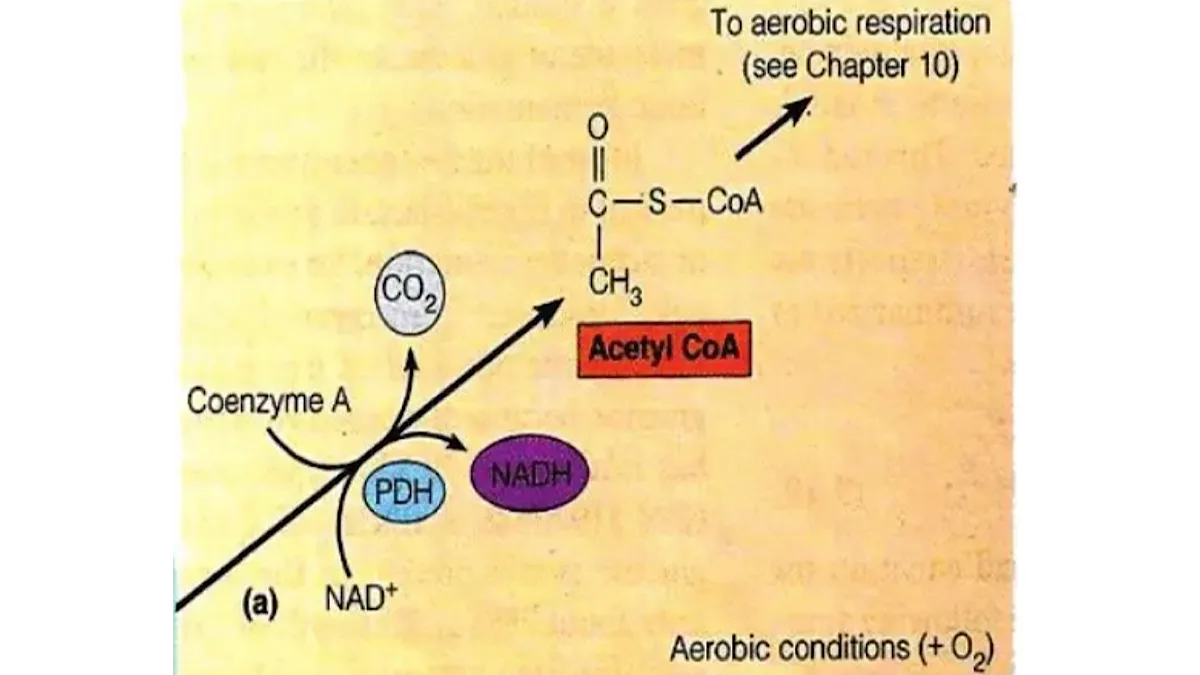
Cells not only are able to catabolize glucose and other carbohydrates to meet their energy needs but also can synthesize sugars and polysaccharides needed for other purposes.

India is not short of ideas. Every year, universities produce thousands of engineers and researchers, laboratories generate studies, and start-ups promise new solutions in healthcare, technology and sustainability.

The contamination of the environment by pesticides cannot be prevented by purification facilities and trapping devices. Enormous areas of agricultural lands and hundreds of thousands of tonnes of products are treated with pesticides; consequently, they continuously circulate in the habitat of humans.
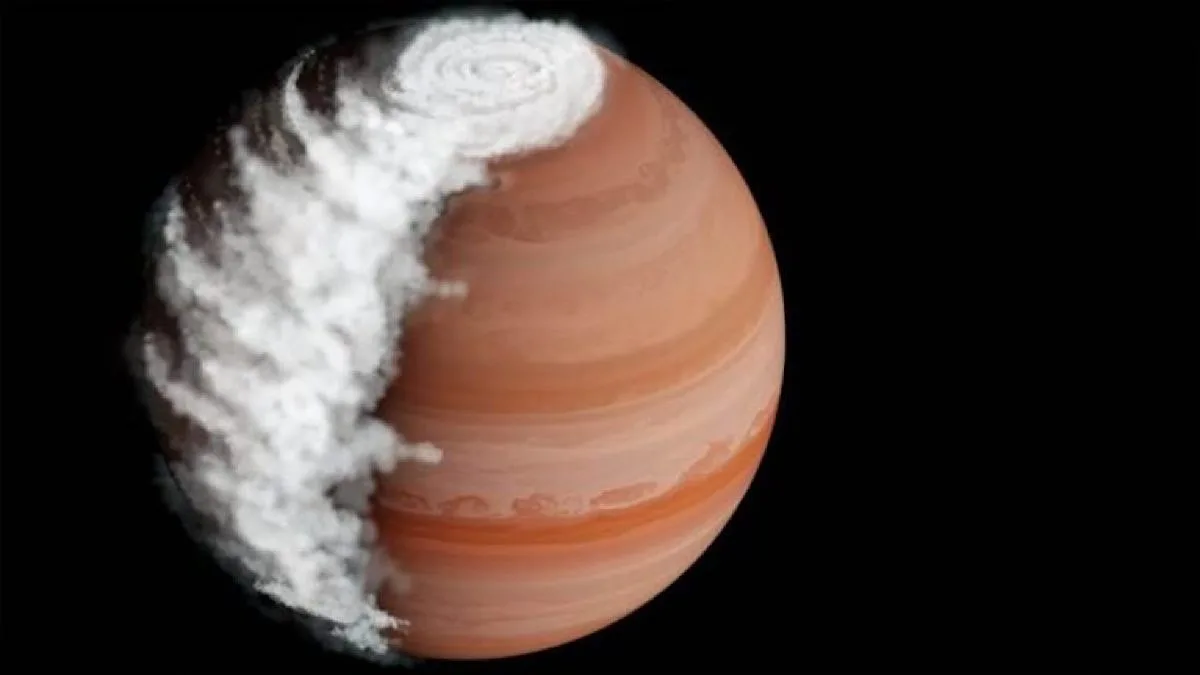
Scientists have found more than 6,000 exoplanets to date, including WASP-94Ab. The exoplanet orbits the star WASP-94A and is just a bit bigger than Jupiter (1.58 times Jupiter’s radius). It completes a full rotation around the star in just 4 Earth days.
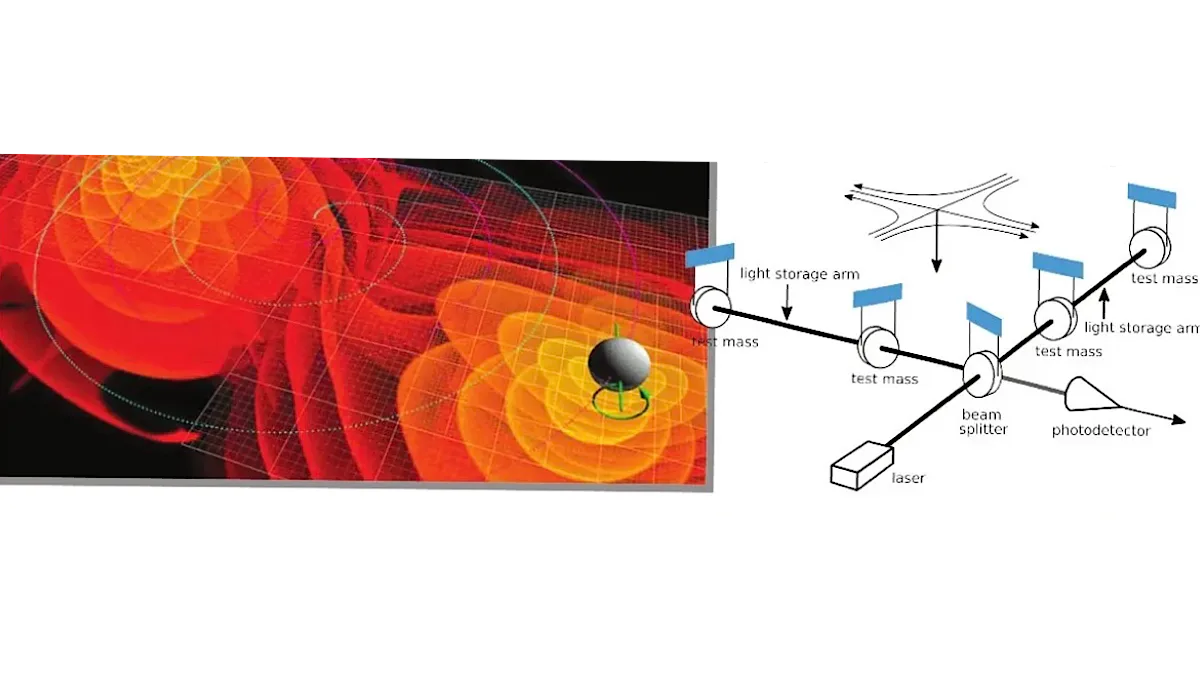
In 2015, scientists at LIGO detected the first gravitational wave, a historic moment representing the first experimental observation of Einstein's proposed gravitational wave.

The International Agency for Research on Cancer (IARC) has concluded after extensive research that alcohol is a Group 1 carcinogen, which is the highest classification for cancer-causing elements.

Opsonins are antibodies found in normal and immune sera which alter microorganisms and prepare them for more intensive phagocytosis.