Ayodhya Temple trust purchases more land
Deep Narain signed a registry deed of his 7,285 square feet land in favour of Champat Rai, the secretary of the Ram Mandir Trust.
Places of worship occupy a unique space in public life. They are centres of faith, repositories of tradition and, often, custodians of enormous public wealth.




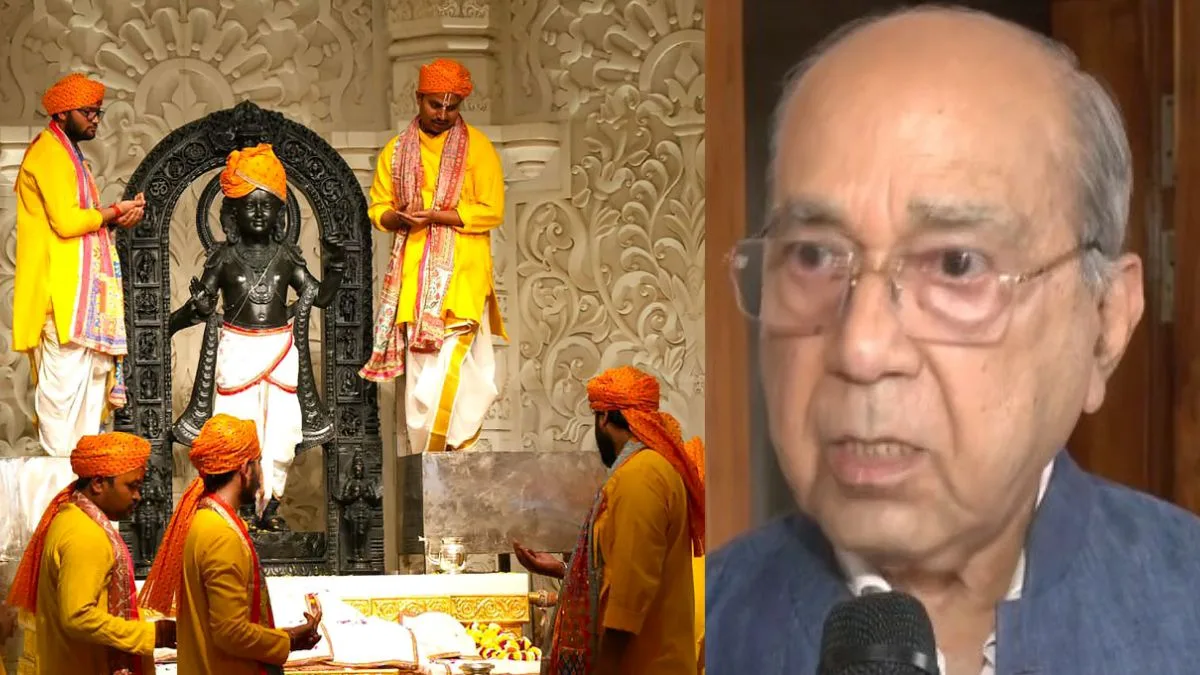
Places of worship occupy a unique space in public life. They are centres of faith, repositories of tradition and, often, custodians of enormous public wealth. When allegations of financial impropriety arise within such institutions, the issue extends far beyond the loss of money. It becomes a test of governance, accountability and the credibility of institutions sustained by the devotion of millions. The leadership overhaul at the Shri Ram Janmabhoomi Teerth Kshetra Trust must be viewed through this wider institutional lens.
The resignations of senior office-bearers, the creation of a chief executive’s post and the promise of stronger oversight acknowledge a simple reality: regardless of where criminal liability ultimately rests, public confidence has been shaken. Restoring that confidence now matters as much as identifying those responsible for wrongdoing. The ongoing investigation appears to suggest that the alleged embezzlement was enabled by procedural weaknesses rather than a single isolated lapse. Reports of inadequate surveillance, poor supervision during the counting of donations and shortcomings in internal controls point to systemic vulnerabilities.
Advertisement
Institutions entrusted with handling vast quantities of cash, jewellery and precious metals cannot rely solely on personal trust or the moral stature of their office-bearers. They require professional systems designed to prevent temptation, detect irregularities and ensure complete transparency. At the same time, caution is equally important. The investigation has resulted in arrests and a formal criminal inquiry, but it has not yet established the criminal culpability of the Trust’s leadership. Administrative responsibility and criminal guilt are distinct concepts.
Advertisement
It would be both unfair and legally unsound to conflate the two before the investigative process reaches its conclusion. Due process is not an obstacle to accountability; it is its foundation. The political sensitivity surrounding the Ram Temple inevitably magnifies every development. The temple is not merely a religious landmark but one of the most consequential public projects of contemporary India, intertwined with decades of political mobilisation, judicial adjudication and national debate. That prominence makes transparency even more indispensable.
Any perception that investigations are selective or incomplete would damage not only the institution but also public trust in the systems meant to protect it. The lesson extends beyond Ayodhya. Across India, temples, mosques, churches, gurdwaras and charitable trusts collectively manage assets worth thousands of crores of rupees. Many continue to rely on administrative practices that have not kept pace with the scale of public contributions they receive. Independent audits, professional management, digital accounting, comprehensive surveillance and robust internal checks should no longer be seen as optional reforms but as essential safeguards.
Faith inspires generosity, but institutions earn trust through accountability. Devotees contribute with the hope their offerings will serve a sacred purpose. Honouring that faith requires more than reverence for tradition; it demands governance that is transparent, modern and beyond reproach. The Ram Temple controversy should therefore become not merely a criminal investigation into alleged theft but a catalyst for strengthening the standards by which all major religious institutions in India are administered.
Advertisement