Just six months after pledging to double bilateral trade by 2030, US President Donald Trump has slapped India with a combined 50 per cent tariff on all imports ~ 25 per cent as part of his broad trade overhaul, and a fresh 25 per cent penalty targeting Indian purchases of Russian oil. The announcement came via a formal executive order citing national security threats arising from India’s continued energy dealings with Moscow.
The language of the order leaves little room for ambiguity. India’s direct or indirect imports of Russian oil, it claims, “undermine US foreign policy” in Ukraine. But the unprecedented move goes well bey – ond economic recalibration. It exposes a new era of transactional foreign policy ~ where punitive tariffs are not just about deficits or reciprocity but about compelling alignment with Washington’s broader geopolitical objectives. The Indian government has rightly called the measure “unjustified and unreasonable.” After all, it was the redirection of Russian energy to Asian buyers like India that helped stabilise global oil prices following Western sanctions in 2022.
Advertisement
US officials at the time tacitly encouraged this shift to prevent a global shock. New Delhi’s energy strategy, driven by commercial and logistical realities, helped fill a supply vacuum created by Europe’s sudden turn away from Russian crude. India’s energy calculus is not ideological but pragmatic. With Europe crowding out traditional West Asian suppliers, and volatility in global markets, Russian oil offered both availability and affordability. Even private Indian refiners based their sourcing on price, not politics ~ something Western oil majors routinely claim as standard practice.
To now weaponise those very actions is not just hypocritical, it is disingenuous. The justification ~ that Indian purchases of Russian oil threaten US interests in Ukraine ~ sounds less like strategy and more like selective morality. Washington had no qualms about conducting $3.5 billion in trade with Russia under President Joe Biden just last year. Yet India, whose energy decisions were driven by commercial logic and global supply dislocations, is now being punished under the guise of principle. India has chosen not to retaliate ~ at least for now. But the tariffs will bite. The Delhi-based Global Trade Research Initiative estimates that Indian exports to the US could drop by nearly 50 per cent if these duties stay in place. This includes everything from textiles and pharmaceuticals to auto components and IT hardware.
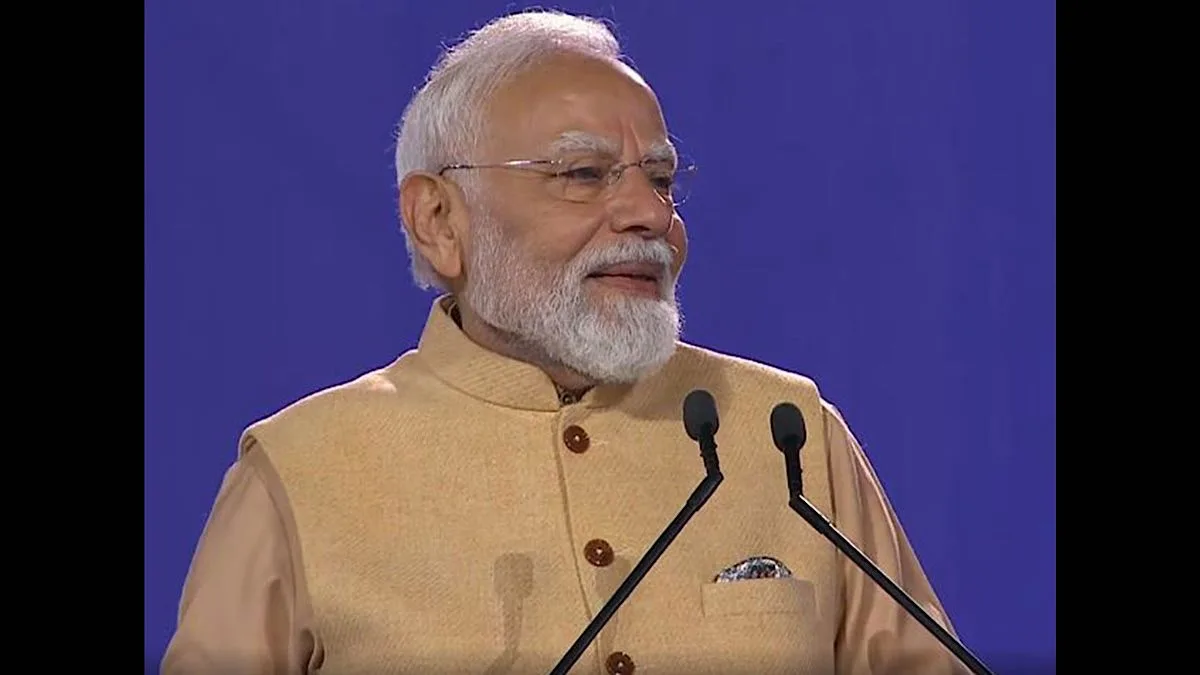
And the broader message being sent to India and others is chilling: foreign policy independence may carry a steep price tag. For all the rhetoric of friendship between Prime Minister Narendra Modi and President Trump, the present state of bilateral ties points to a deeper div – ergence of interests. The shift from shared democratic values to hard-nosed economic coercion marks a turning point. India may eventually re-enter trade talks with Washington, but it will do so with caution and a sharpened sense of self-interest. Washington must ask itself what it ultimately wants from its allies: loyalty, leverage ~ or respect. It is losing all three.