For once, West Asia witnessed tears not of anger but of relief and joy. Across Israel, families who had endured two years of uncertainty finally embraced sons and daughters once believed lost forever. The scenes of reunion ~ mothers clinging to grown children, fathers weeping without restraint ~ spoke a language beyond politics. For many, it marked not only the end of captivity but the beginning of healing.
But the joy was laced with unease. For every freed hostage returning to life, there are families still waiting for the bodies of loved ones who never made it home. Hamas has released only a few remains so far, citing difficulties in locating others. In Israel, grief has fused with relief, the two emotions coexisting uneasily. No true closure can come until every last captive, living or dead, is accounted for. The release has stirred deep emotions even among those unconnected to the captives. After years of division and distrust, the collective sense of empathy across Israel and Palestine has, if only briefly, reminded both peoples of their shared vulnerability and interwoven humanity. On the other side of the divide, similar emotions unfolded.
Advertisement
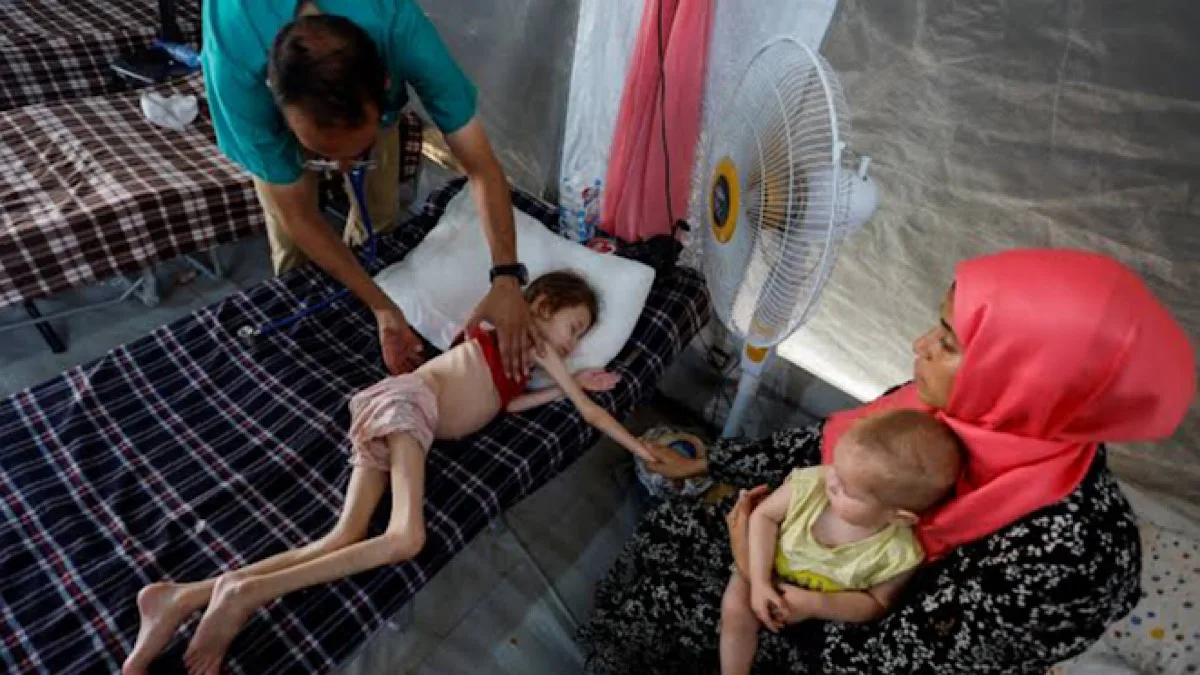
In Gaza and the West Bank, hundreds of Palestinians ~ some convicted of deadly attacks, others held for years without charge ~ were welcomed home to jubilation and disbelief. Families erupted in cheers, their loved ones returning gaunt, pale, and shaken, yet alive. To them, these were not criminals or militants but brothers, sons, and fathers reclaimed from a system they see as unjust. The parallel images ~ Israeli hostages stepping off helicopters into waiting arms, Palestinian prisoners descending from Red Cross buses ~ reflect a symmetry of suffering that rarely surfaces in political discourse.
For both sides, the war’s human toll has cut deep, eroding generations of trust. The fragile ceasefire that enabled these releases is more than a diplomatic milestone; it is a brief, flickering reminder that humanity can still pierce through the machinery of conflict. It is also a reminder that peace is not born in summits but in moments like these ~ in the trembling voices of parents whispering “you’re home,” in the silence that follows relief, in the recognition of shared grief on either side of a border.
The current calm is precarious. It will take only a single act of violence, a single breach of faith, to unravel it. Yet, amid fatigue and loss, a faint shift can be felt ~ a recognition among both peoples that perpetual war has achieved nothing. The hostages’ return, and the prisoners’ release, have laid bare the unbearable costs of endless retaliation. Whether this moment hardens into memory or softens into change depends on what follows next. Healing must now move from private living rooms to public life. The challenge is no longer how to win, but how to live with the knowledge that the faces of suffering look alike, no matter which flag flies above them.