The recent protests in Pakistan-occupied Kashmir are the result of anger built up over the years due to forced suppression by the state. This is a region Pakistan proudly calls ‘Azad Kashmir,’ but it is anything but ‘Azad.’ It is worse than a colonized state, denied basic rights, lacking an independent voice and whose resources are looted to benefit Punjab. POK has no representation in Pakistan’s parliament, is administered like a colony from Islamabad, controlled by the army and is constitutionally prevented from making any statement on Kashmir other than what is the stand of the government.
There is never a mention of plebiscite in POK, as Rawalpindi, which suppresses the populace and muzzles dissent, realizes that its residents would prefer India, aware of vast differences in every aspect of life. Pakistan’s own human rights body, HRCP (Human Rights Commission of Pakistan), which anyway has limited influence, has courageously mentioned on multiple occasions that POK remains ‘politically disenfranchised’ with no avenue for dialogue. The Mangla Dam alongside others generate electricity for the state, but it is POK which faces maximum power cuts and huge electricity bills. Roads and other basic amenities like schools and hospitals are almost non-existent.
Advertisement
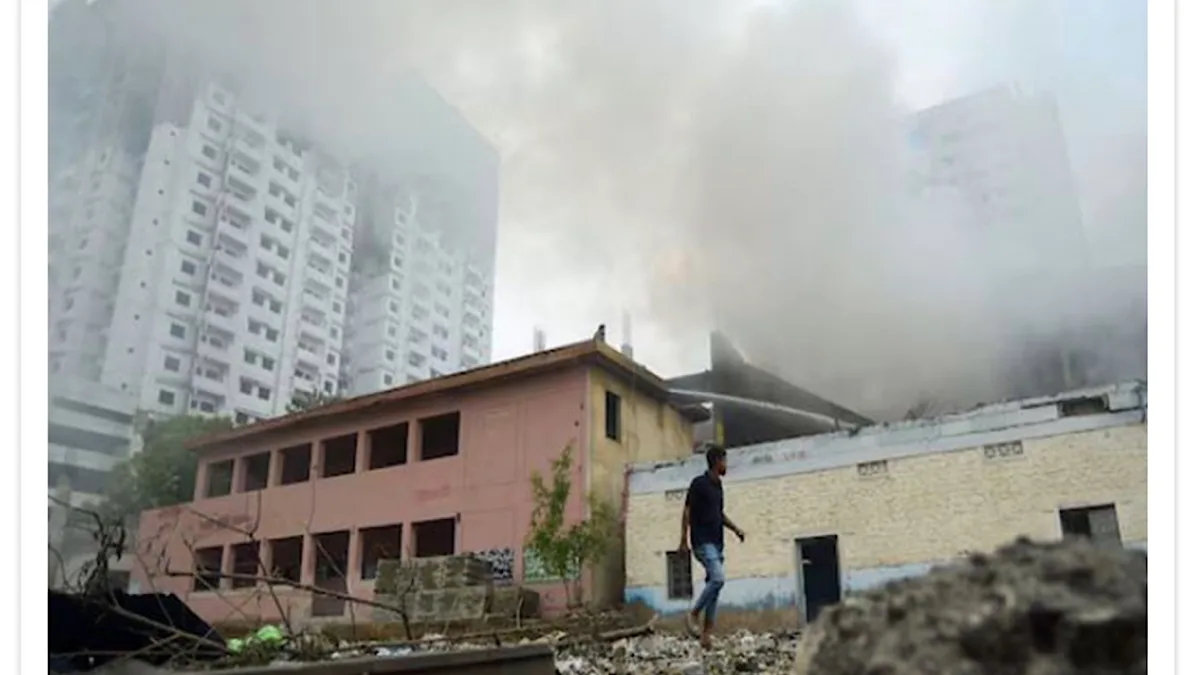
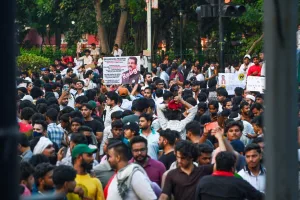
Protests against plunder of the region and denial of rights are met with internet blockades, media censorship and brutal state power. The recent protests resulted in a complete shutdown for 10 days. The region was isolated with all roads blocked while people faced shortfalls of food and healthcare. Electricity was cut and people lived in darkness as in prison camps. Security forces were brutal in their approach. Official figures mention over a dozen killed while the real numbers could be far more.
A communication blackout was imposed. The organizers were forced into capitulation and into accepting Islamabad’s demands. Hypocrisy knows no bounds when Pakistan calls the region ‘Azad.’ Indian foreign ministry officials rightly commented, “We believe that it is a natural consequence of Pakistan’s oppressive approach and systemic plundering of resources from these territories, which remain under its forcible and illegal occupation. Pakistan must be held accountable for its horrific human rights violations.” The spokesperson added, “Those territories (POK) are our inalienable part.” And Pakistan blames India for human rights violations in Kashmir! Al Jazeera reported in the third week of September that officials in Khyber Pakhtunkhwa (KP) accused Rawalpindi of employing aircraft to bomb villages in the province resulting in over 30 deaths, including those of women and children.
This is the latest in a series of horrific attacks on innocent civilians in the guise of targeting terrorists. While Islamabad maintained silence, local politicians raised their voice in the provincial assembly and at the centre. Babar Saleem Swati, the provincial assembly speaker tweeted, “When the blood of our own people is made so cheap and bombs are dropped on them, it is a fire that can engulf everyone.” His calls for an investigation were unanswered. Even HRCP demanded an inquiry. But all that flowed from Rawalpindi and Islamabad was silence. The dead were ignored. Anger is rising and will soon spill on to the streets. Which civilized state, in present times, employs air power against its own populace? Human Rights Watch and Amnesty Internation have accused the Pakistan army of resorting to torture, intimidation, extra-judicial killings and mass detentions in the region , largly aimed at Pashtuns.
No wonder the region is unstable. To justify its actions, Pakistan claims that all terrorists, who emerge due to security suppression and highhandedness, are sponsored by India and Afghanistan. Rawalpindi even launched air strikes on Kabul attempting to target the leader of the TTP, which failed. Balochistan, the region Pakistan claims is endowed with rare earths and reserves of gold, is fighting for independence since being deceitfully occupied by Pakistan in 1948. The struggle is led by the BRAs (Baluch Raji Ajohi Sangar), an amalgamation of multiple groups. With the CPEC (China Pakistan Economic Corridor) moving nowhere and a rare earths deal signed with the US, the Pakistan army is facing pressure to deliver. Its response is to brutally suppress the population.
A UN Human Rights experts body mentioned a few months ago, “We urge Pakistan to establish independent and effective search and investigation mechanisms to identify the fate and whereabouts of those forcibly disappeared, criminalise enforced disappearances and hold perpetrators accountable.” There has been no action. Latest reports mention that Pakistan is utilizing services of ISKP (Islamic State Khorasan Province), a known terrorist group, to run death squads in the region. It has also appointed a pointsman, Mir Shafiq-ur-Rehman, for the purpose. The intent is to avoid being accused of targeting its own.
This is the same Pakistan which claims it is fighting the ISKP, while Afghanistan accuses it of supporting it. Pakistan’s record of genocide against its own populace, who demand basics, is well known, commencing from erstwhile East Pakistan to the present. The regions rising in anger are the most ignored and exploited provinces of the country. All they have been demanding are basic rights and a stop to exploitation of their resources but in return have faced bullets, suppression, communication blackouts, military brutality and enforced disappearances. Those organizing non-violent protests, seking justice for enforced disappearances and torture vanish into dungeons run by security agencies. The result is increased attacks on security forces. Today residents of Balochistan, KP and POK no longer consider themselves as Pakistanis. Whatever feelings they had have been washed away by suppression of the state and highhandedness of security forces.
To hide its own actions against its populace, Pakistan attempts to deflect global pressure by accusing India of human rights violations in Kashmir. There is no global forum where it does not do so, from the UN to the UNHRC. Its strategy is simple, block communication from its own troubled provinces, force its media to push one-sided narratives, deflect blame to India, hide reality and accuse others of being behind the violence. It terms members of these groups as ‘Indian- sponsored Khawarij (rebels).’
Pakistan’s current strategy no longer holds ground. Protests against Pakistan’s atrocities are rising globally, led by those who left these regions for the West. India is the nation which should raise its concerns on human rights abuses in Pakistan. It is time to stop responding to Pakistan’s accusations but force it to defend its brutal actions against innocent women and children. India must now adopt a proactive strategy rather than a reactive one.
(The writer is a retired Major-General of the Indian Army.)