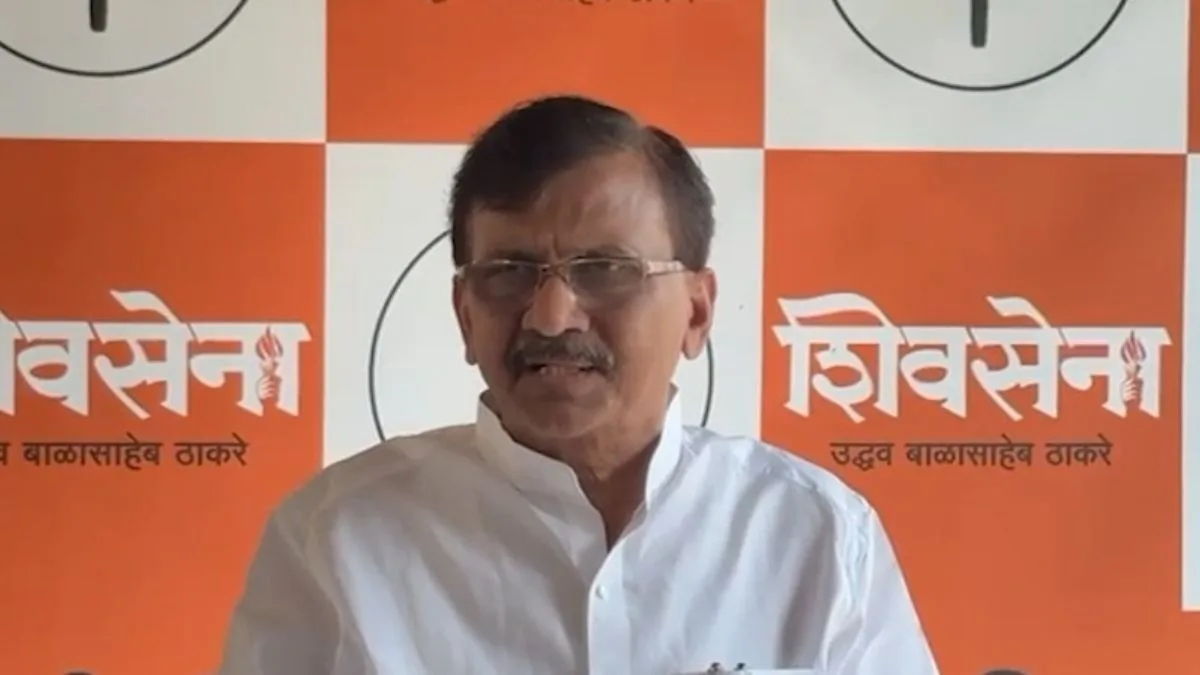
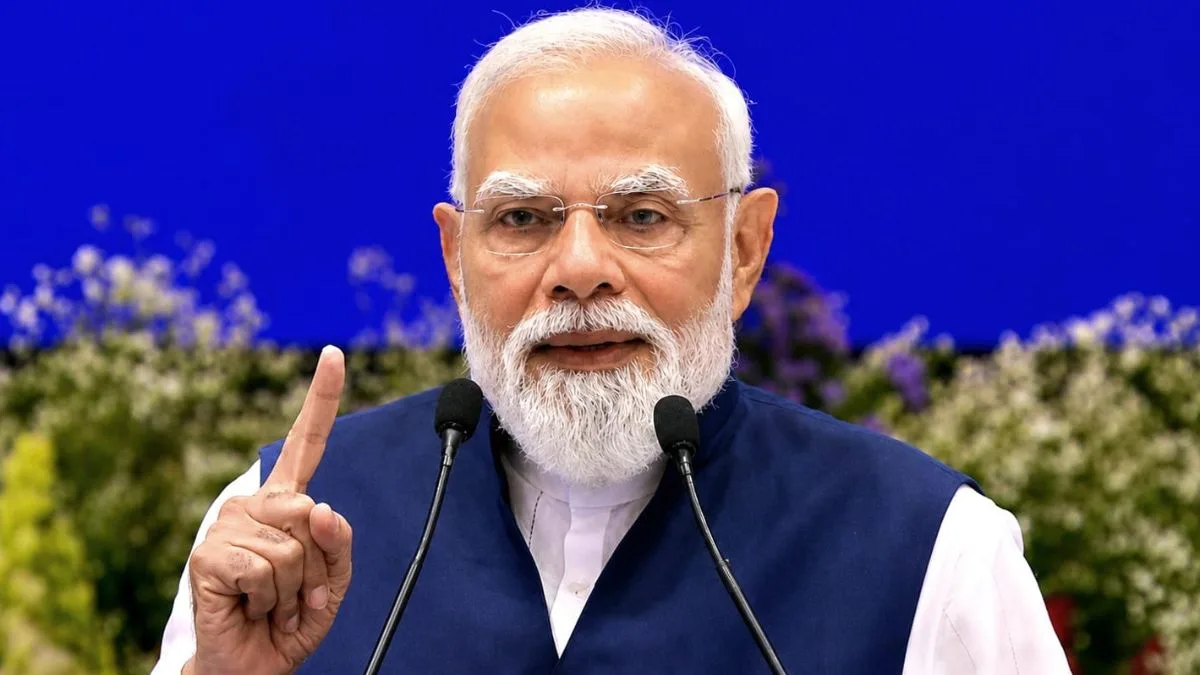
Sanjay Raut heads to Delhi amid reports of defection among Uddhav Sena MPs
According to reports, Uddhav-led Shiv Sena MPs will form a separate group.
Brazil’s streets have once again become the stage for a battle over the meaning of democracy.




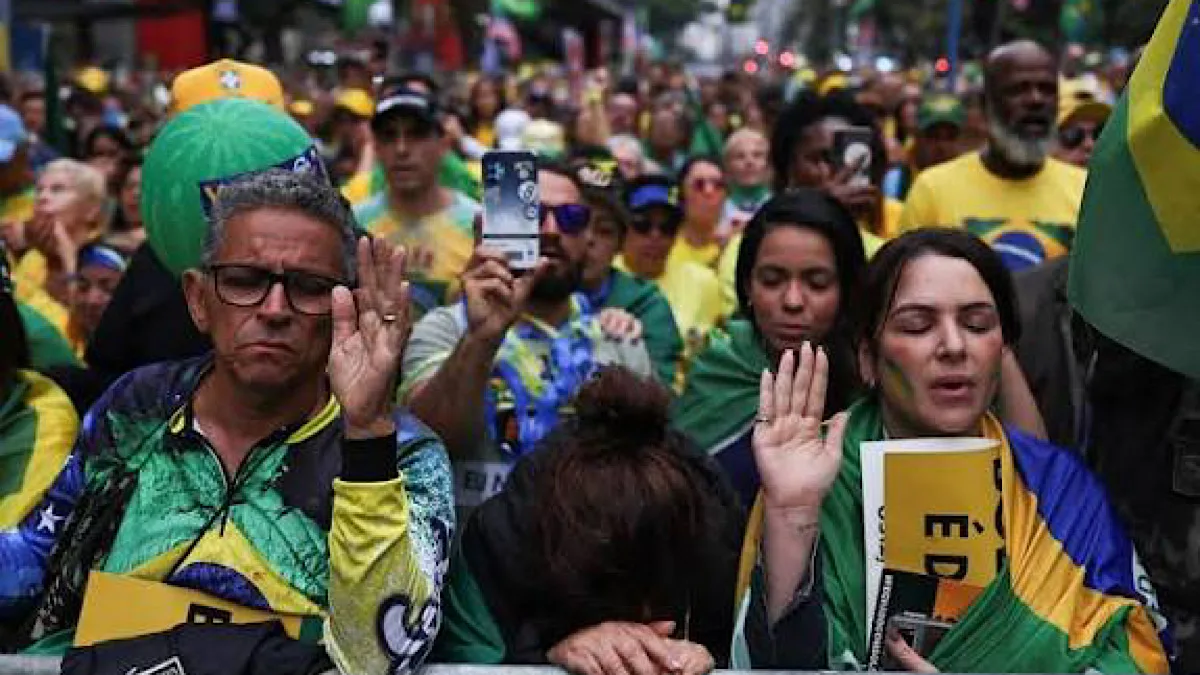
Photo:Reuters
Brazil’s streets have once again become the stage for a battle over the meaning of democracy. Tens of thousands of people marched across the country to reject a proposed constitutional amendment and a fast-tracked amnesty bill that together threaten to unravel hard-won accountability. At the heart of the unrest is former President Jair Bolsonaro, recently convicted of plotting a coup and sentenced to 27 years in prison. His allies in the Brazilian Congress are attempting to shield him – and themselves – under the banner of legislative privilege and political reconciliation.
The proposed measures are alarming in two ways. First, the amnesty bill could spare Mr Bolsonaro and his co-defendants from serving their sentences, despite a Supreme Court finding that they sought to overturn a legitimate election. Secondly, the constitutional amendment would require lawmakers to approve, by secret ballot, any criminal proceedings against their peers. Supporters frame this as protection against judicial overreach, but critics rightly see it as a self-serving mechanism to escape prosecution. In effect, it would allow politicians to police their own crimes while the public is kept in the dark. Sunday’s protests were a vivid reminder that Brazilians have not forgotten the lessons of their past.
Advertisement
The country endured a brutal military dictatorship within living memory, and its return to civilian rule was built on a commitment to transparency and accountability. Crowds chanting “no amnesty” and “shameless Congress” were not merely opposing a single bill; they were defending the fragile safeguards that prevent power from being seized or abused. The protests are not merely a left-wing reaction to a right-wing figure. Data show that even many centrist Brazilians – who once tolerated Mr Bolsonaro’s rhetoric – now see the amnesty bill as a direct threat to their own rights. Their participation signals that the movement transcends partisan lines and reflects a shared understanding that democratic checks must be defended before they are irretrievably weakened. President Luiz Inácio Lula da Silva’s pledge to veto the amnesty bill if it reaches his desk offers a temporary barrier, but it is not a solution.
Advertisement
The amendment still moves to the Senate, and political calculations can shift rapidly. Lasting protection will require not only presidential resolve but also sustained civic pressure and an engaged judiciary willing to uphold constitutional principles. What happens next will shape Brazil’s democratic trajectory for years. If lawmakers succeed in insulating themselves and pardoning a convicted ex-President, it will signal to future leaders that democratic institutions are negotiable. If the public resistance holds, it will reaffirm the principle that no individual – however powerful – is above the law. Brazil’s citizens have shown that they understand the stakes. Their message is simple but profound: democracy cannot survive if impunity becomes policy. The world should take note, because the struggle to hold leaders accountable is not unique to Brazil.
Advertisement