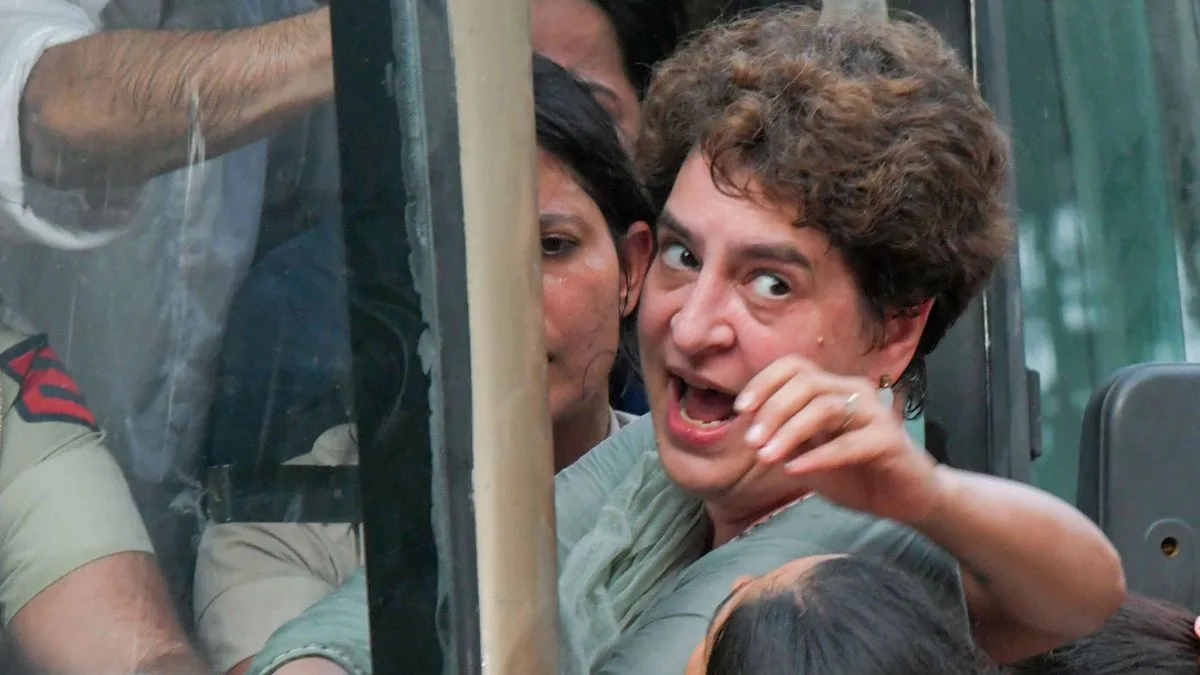
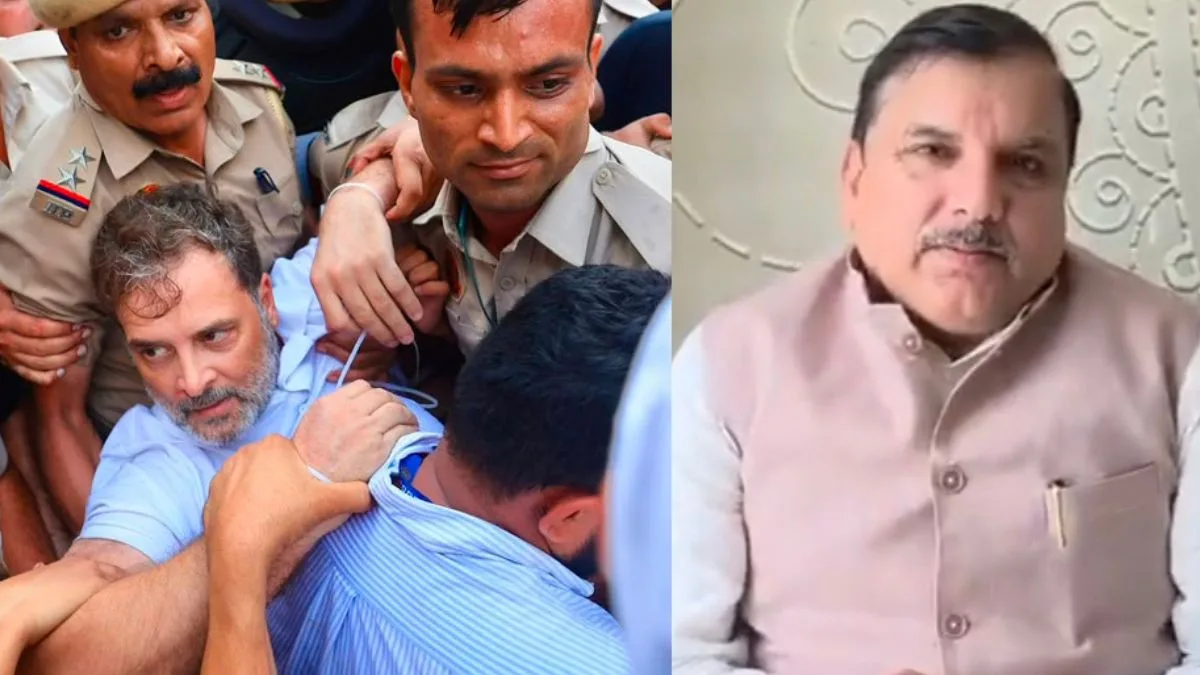
Mamata’s call for anti-BJP unity at Martyr’s Day rally junked by Congress, Left
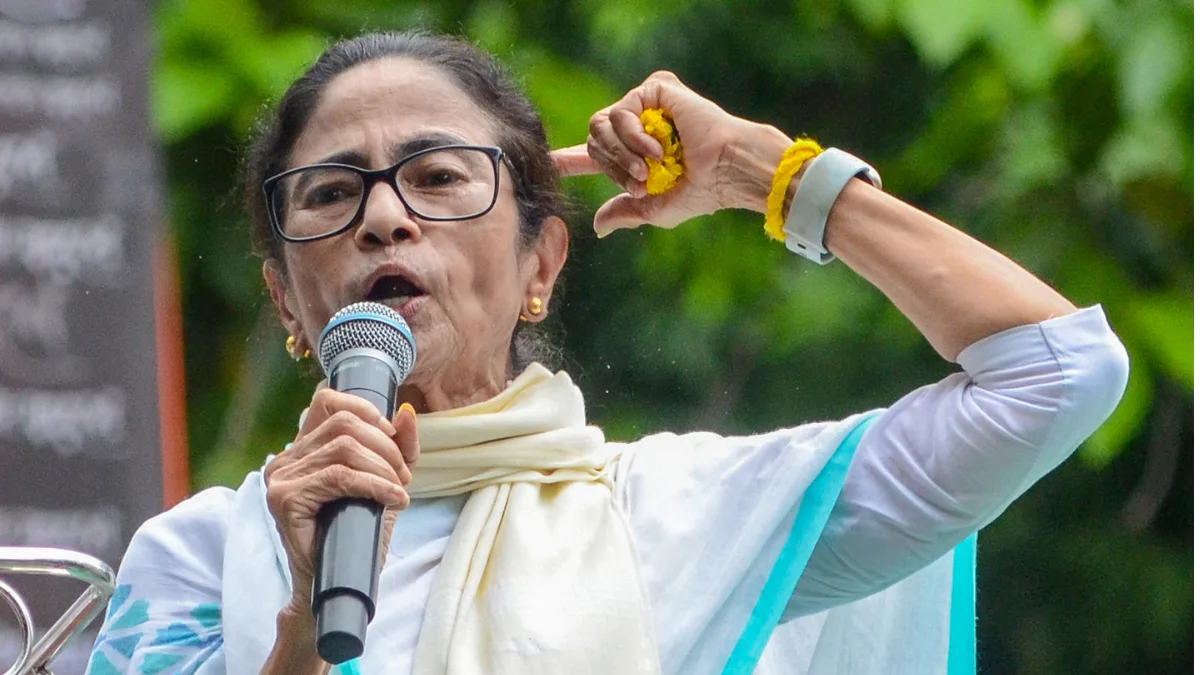
Bengal BJP president Samik Bhattacharya said Mamata Banerjee should first focus on uniting her own party before attempting to forge an opposition alliance.
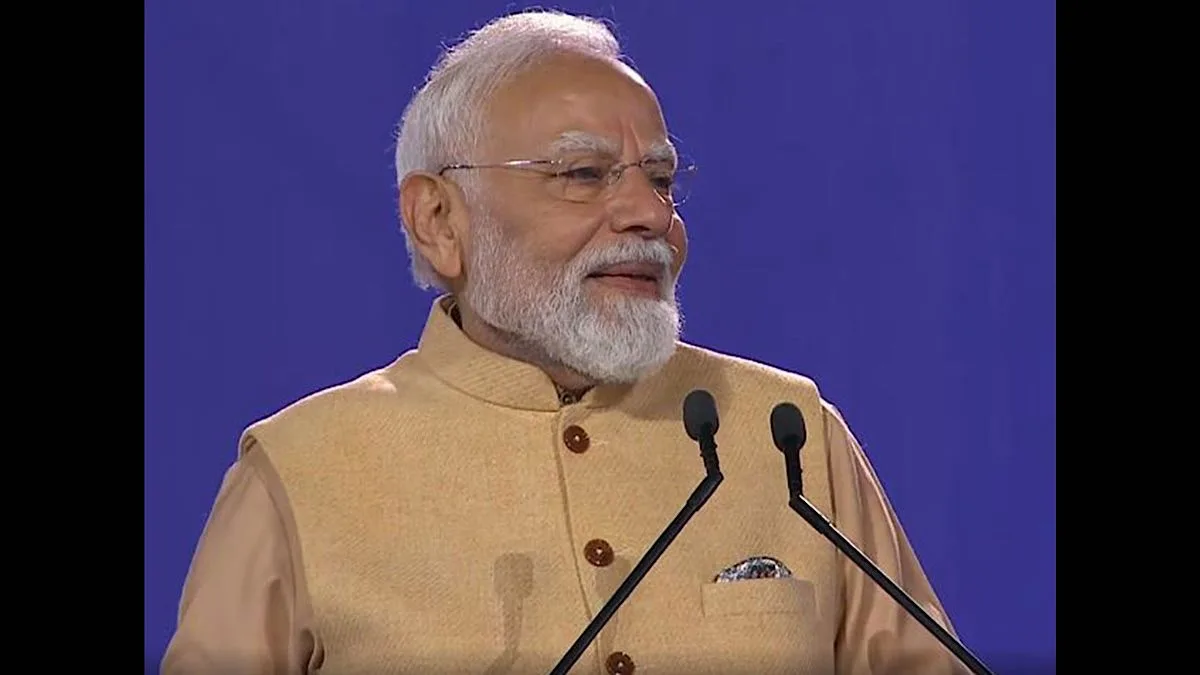
India’s economic journey over the past decade under Prime Minister Narendra Modi ~ widely described as Modinomics ~ has been an extraordinary story of ambition, reform, and resilience.





File Photo
India’s economic journey over the past decade under Prime Minister Narendra Modi ~ widely described as Modinomics ~ has been an extraordinary story of ambition, reform, and resilience. In 2013, India was bracketed with the “Fragile Five” economies, seen as vulnerable and unstable. In 2025, it stands proudly as the world’s fourth-largest economy, projected by global institutions such as Morgan Stanley to become the third-largest by 2028.
This transformation is not only about numbers but equally about the quality and sustainability of growth. With GDP expanding steadily at 6.5 to 7 per cent annually and inflation averaging a stable 4 per cent, India has carved a unique macroeconomic balance. In a world where advanced economies grapple with weak growth and chronic inflationary pressures, India has stood apart as a bastion of stability, attracting record foreign investment, fuelling domestic consumption, and expanding its role in global trade networks. At the core of this story is the government’s sweeping reform agenda, which has reshaped institutions and empowered citizens across every segment of society.
Advertisement
A key milestone was the bold push towards universal financial inclusion. The Pradhan Mantri Jan Dhan Yojana has, by August 2025, delivered more than 56 crore new bank accounts and mobilised Rs 2.68 lakh crore in deposits. The ripple effect of this financial inclusion has been profound, drawing millions into the formal economy and creating a platform for savings, credit, and insurance coverage for the most vulnerable. Parallelly, the government’s emphasis on entrepreneurship has given rise to a new economic dynamism. Through the Pradhan Mantri Mudra Yojana, more than 52 crore loans amounting to Rs 33 lakh crore have been disbursed to small entrepreneurs and micro-enterprises.
Advertisement
This grassroots infusion of capital has acted as a powerful economic stimulus while also complementing the spectacular rise of India’s start-up ecosystem, now boasting more than 100 unicorns. This combination of bottom-up empowerment and high-tech innovation reflects the twin pillars of Modinomics: inclusion and advancement. Tax reforms have provided a second foundation stone of India’s resurgence. The rollout of the Goods and Services Tax (GST) in 2017 unified the nation into one of the world’s largest common markets.
The further refinement through GST 2.0 in September 2025, rationalising rates to two primary slabs of 5 and 18 per cent, simplified compliance, while simultaneously lowering costs for essential commodities. Combined with the government’s decision to increase the income tax exemption threshold to Rs 12 lakh, these measures have injected sizable disposable incomes into middle-class households. SBI Research estimate that together these reforms are capable of boosting consumption demand by Rs 5.31 lakh crore, adding nearly 1.6 per cent to GDP ~ evidence of the direct impact of policy on household welfare and economic growth.
If financial inclusion and tax reform provided the architecture, the digital transformation provided the spark. The meteoric rise of the Unified Payments Interface (UPI) has redefined India’s payment landscape. In August 2025 alone, UPI processed over 20 billion transactions valued at more than Rs 90,000 crore daily. From street vendors in small towns to large-scale corporate payments, digital infrastructure has reshaped financial behaviour and created a frictionless cashless economy that is deeply embedded in daily life. Capital markets too have mirrored this optimism.
The BSE Sensex has soared from just 24,000 points in 2014 to over 81,000 in 2025, with unprecedented participation from retail investors. The addition of 192 million demat accounts ~ most belonging to investors under 30 ~ has democratized wealth creation, transforming India’s equity markets into an arena of mass financial participation. Perhaps even more critical has been the turnaround in the financial system. Long troubled by stressed assets, India’s banking sector now stands considerably stronger, with gross NPA ratios falling from over 9 per cent in 2021 to a historic low of 2.58 per cent in 2025.
Meanwhile, deregulation has swept through India’s legal and institutional landscape. More than 1,600 obsolete laws have been dismantled and another 1,800 identified for repeal, dramatically reducing compliance burdens on businesses. These measures, combined with investments in infrastructure and governance, saw India climb from 142nd place in the World Bank’s Ease of Doing Business survey in 2014 to 63rd by 2019. This jump reflected not cosmetic changes but deep institutional improvements in the way India supports enterprise. The macroeconomic transformation has translated into tangible social advancement.
Between 2011 and 2023, about 171 million Indians were lifted out of extreme poverty, reducing poverty rates from 16.2 per cent to just over 2 per cent. At the same time, employment growth has accelerated. Between 2014 and 2024, nearly 179 million new jobs were created, reversing decades of stagnation. The government’s targeted programmes, including the new PM Viksit Bharat Rozgar Yojana, aim to add another 3.5 crore jobs by 2027 by subsidizing employers hiring first-time job seekers. More than 1.13 crore new EPFO subscribers in FY25 underscore the gains in formal employment and social security coverage.
All this builds towards the ambitious but achievable vision of Viksit Bharat @2047, a national roadmap for turning India into a developed economy by its centenary of independence. The plan envisions India as a $30 trillion economy with per capita income of $26,000. As India looks confidently toward becoming the world’s third-largest economy by 2028, Modinomics emerges not only as an economic framework but also as a national philosophy ~ blending growth with stability, ambition with inclusion, and reform with delivery.
It is a story of how determined policy vision can transform challenges into opportunities and reposition a nation on the global stage. On the occasion of Prime Minister Narendra Modi’s 75th birthday, India’s economic renaissance under his leadership is both a reflection of his vision and the determination of 1.4 billion citizens. The unfolding narrative of Modinomics stands as a testament to resilience, reform, and the relentless pursuit of shared prosperity. It is a promise that resonates far beyond today’s headlines ~ a promise of a truly Viksit Bharat, poised to play a defining role in shaping the future of the world.
(The writer is a part-time Member of the Economic Advisory Council to the Prime Minister and a Professor of Finance)
Advertisement