The coming UK Budget may mark one of the most defining economic moments in a generation. When a newly elected government begins to prepare the electorate for tax rises barely a year into office, it seems clear that campaign promises are colliding with fiscal reality. Chancellor Rachel Reeves’ pre-Budget message has been unambiguous: this will not be a Budget of comfort, but of necessity. Behind the cautious language lies an uncomfortable truth.
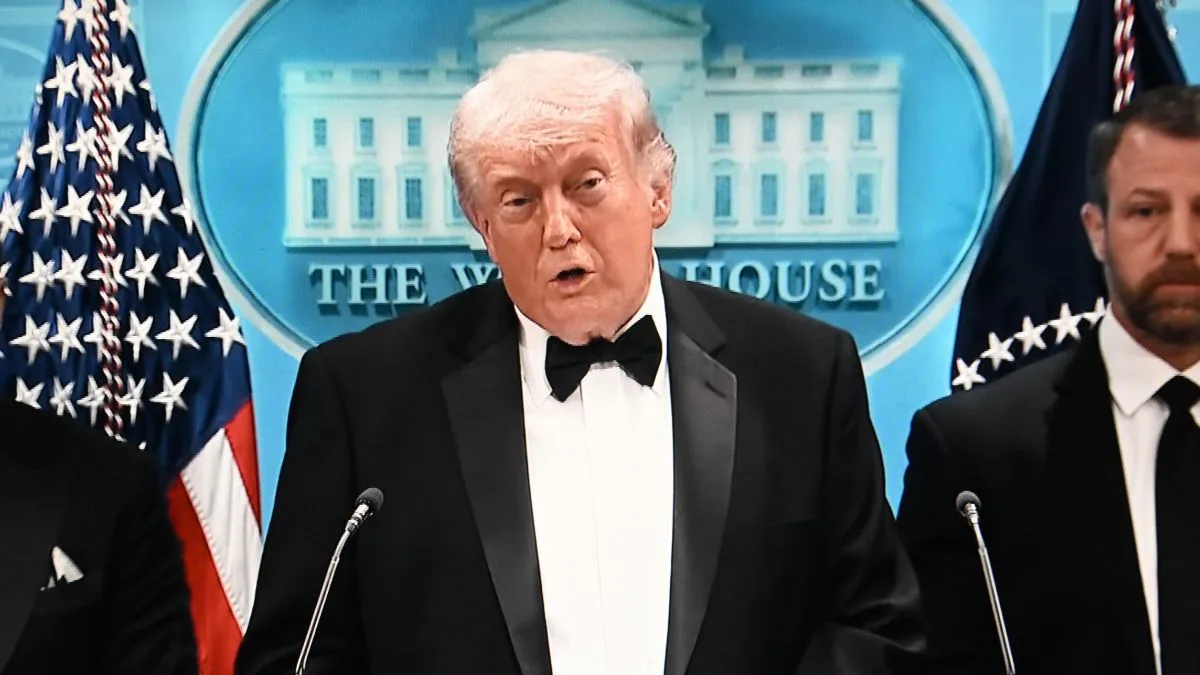
The government is now confronting the economic inheritance it once decried, the cumulative effect of sluggish productivity, underinvestment, and external shocks ranging from global inflation to new trade disruptions triggered by Washington’s tariff wars. These factors have narrowed fiscal options to the point where a rise in income tax, or an equivalent measure, seems all but inevitable. Yet, the rhetoric accompanying it seeks to frame this reversal as a responsible act of stewardship rather than a political betrayal. It is an audacious repositioning. The idea that fairness can coexist with fiscal tightening requires more than moral justification ~ it demands credibility.
Advertisement
The chancellor’s challenge will be to persuade a weary electorate that higher taxes today will translate into stability tomorrow. That argument may find limited sympathy among households already stretched by years of stagnant real wages and eroding living standards. But the government’s case rests on the claim that only through disciplined choices now can Britain regain the financial headroom to respond to future shocks. Public tolerance for sacrifice is not infinite, and the government’s credibility will depend on visible improvements in services, not just rhetoric. At its heart, the debate is not only about numbers but about trust. Voters who were promised stability without sacrifice may find little solace in hearing that the pain is “for the greater good.” Political capital, once squandered on broken pledges, is difficult to rebuild.
Advertisement
Yet, the longer view suggests that doing nothing could prove costlier still. Allowing fiscal drift to persist would leave the country perpetually vulnerable to external tremors and market scepticism. Many within the government argue that this Budget must be a one-off act of correction, not an annual cycle of crisis management that erodes both investor confidence and public patience alike. If the Budget succeeds in restoring credibility ~ by aligning taxation, productivity, and social investment ~ it could offer a pathway toward sustainable growth.
But if it falters, it risks reinforcing the very cynicism it seeks to dispel. Britain’s economic challenge is not just to balance its books, but to rebuild the trust that gives meaning to those numbers. History suggests that the hardest fiscal choices are rarely the most popular. Yet, leadership is often measured not by applause but by endurance and the willingness to bear the political cost of doing what must be done. This Budget, then, will test not only the strength of the economy but the moral courage of those steering it.
Advertisement