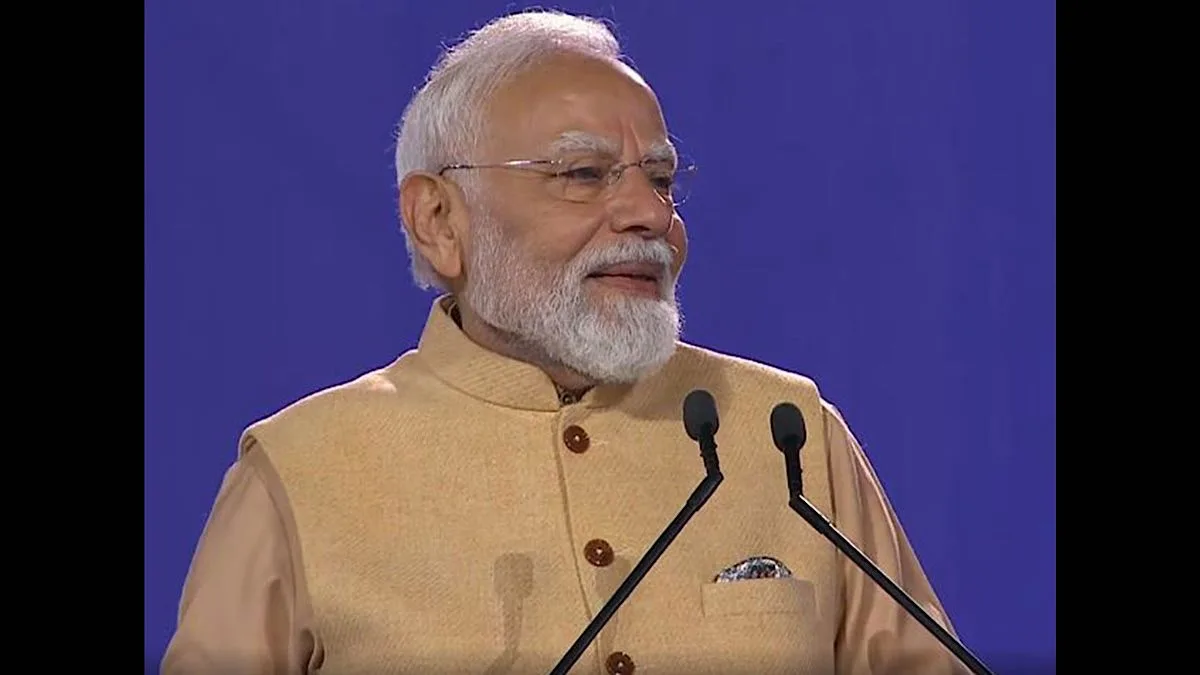
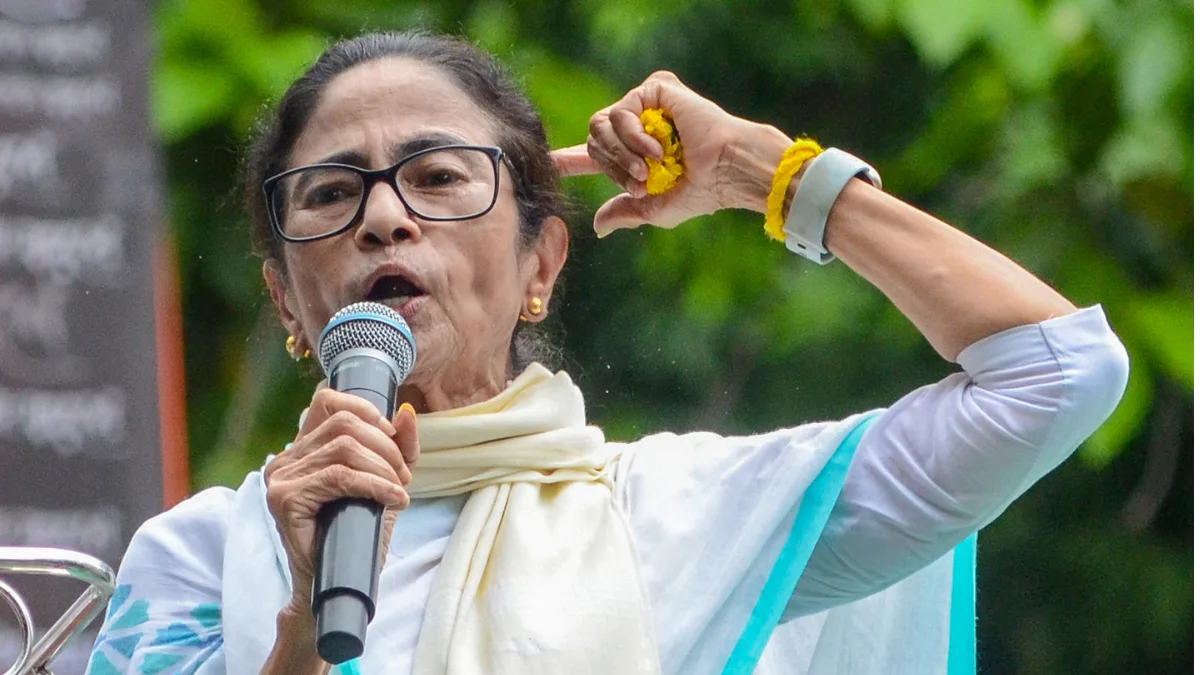
Mamata’s call for anti-BJP unity at Martyr’s Day rally junked by Congress, Left
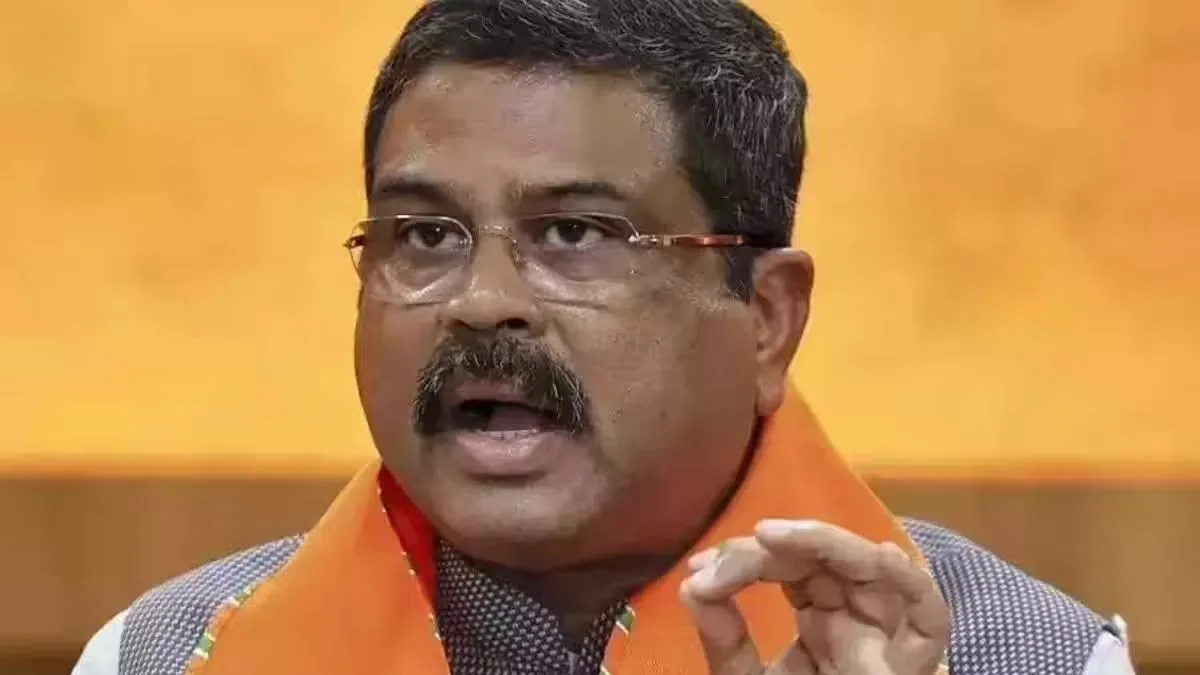
Bengal BJP president Samik Bhattacharya said Mamata Banerjee should first focus on uniting her own party before attempting to forge an opposition alliance.
India’s export map is quietly, but decisively, being redrawn. Recent data reveals a geographic rebalancing that goes beyond year-on-year fluctuations and points to a deeper structural shift in how ~ and where ~ the country earns its export revenues.




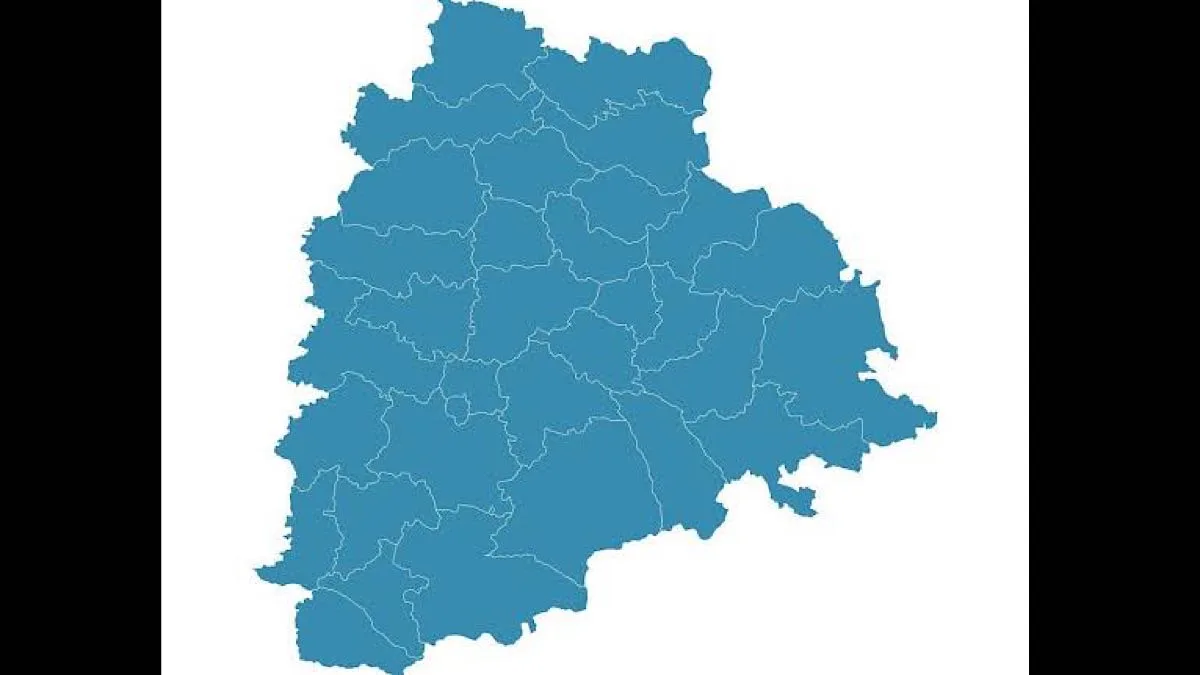
Telangana state
India’s export map is quietly, but decisively, being redrawn. Recent data reveals a geographic rebalancing that goes beyond year-on-year fluctuations and points to a deeper structural shift in how ~ and where ~ the country earns its export revenues. Southern states are emerging as the new growth poles, while long-dominant western powerhouses are showing signs of strain. The rise of states like Tamil Nadu and Telangana is not accidental.
Their export growth reflects years of deliberate industrial strategy: building electronics and engineering clusters, integrating manufacturing with global supply chains, and aligning state-level policies with the needs of export-oriented firms. Tamil Nadu’s steady expansion across automobiles, electronics and engineering goods shows the advantage of diversification. It is no longer dependent on a single sector or market, making its export basket more resilient to global shocks. Telangana’s surge is equally instructive. Often viewed primarily through the lens of services and technology, it is now carving out a place in traditional engineering exports.
Advertisement
This suggests that newer industrial states, if they invest in logistics, skilling and ease of doing business, can scale exports rapidly even without a long manufacturing legacy. Karnataka’s recovery, powered by software-linked exports, reinforces the importance of embedding technology into export strategies rather than treating manufacturing and services as separate silos. By contrast, the slowdown in Gujarat and Maharashtra exposes the limits of legacy dominance. These states remain India’s largest exporters in absolute terms, but their export engines are closely tied to sectors that are increasingly vulnerable to global volatility ~ petrochemicals, gems and jewellery, and textiles.
Advertisement
When oil prices swing or discretionary demand weakens, the impact is immediate and severe. This does not imply decline in relevance, but it does signal a need for reinvention. What is striking is that the southern states’ gains are not coming at the cost of scale alone, but through value addition and sectoral upgrading. The shift mirrors global trade trends, where competitiveness increasingly depends on technology intensity, supply chain reliability, and product sophistication rather than low costs. States that have anticipated this transition are now reaping the rewards. For India as a whole, this redistribution of export momentum is a positive development. A broader export base reduces concentration risk and makes national performance less hostage to shocks affecting one region or sector. However, it also raises important policy questions.
Can the export-led success of the south be replicated elsewhere? And can traditional leaders adapt quickly enough to stay competitive? The answer lies in coordinated reform. Infrastructure, port efficiency, power reliability, and workforce skills must improve across regions. Just as crucial is helping older industrial hubs move up the value chain rather than relying on cyclical strengths. India’s export future will not be secured by geography alone, but by how effectively each region responds to a rapidly changing global trade environment. The emerging export map suggests one clear lesson: adaptability, not legacy, now determines leadership
Advertisement