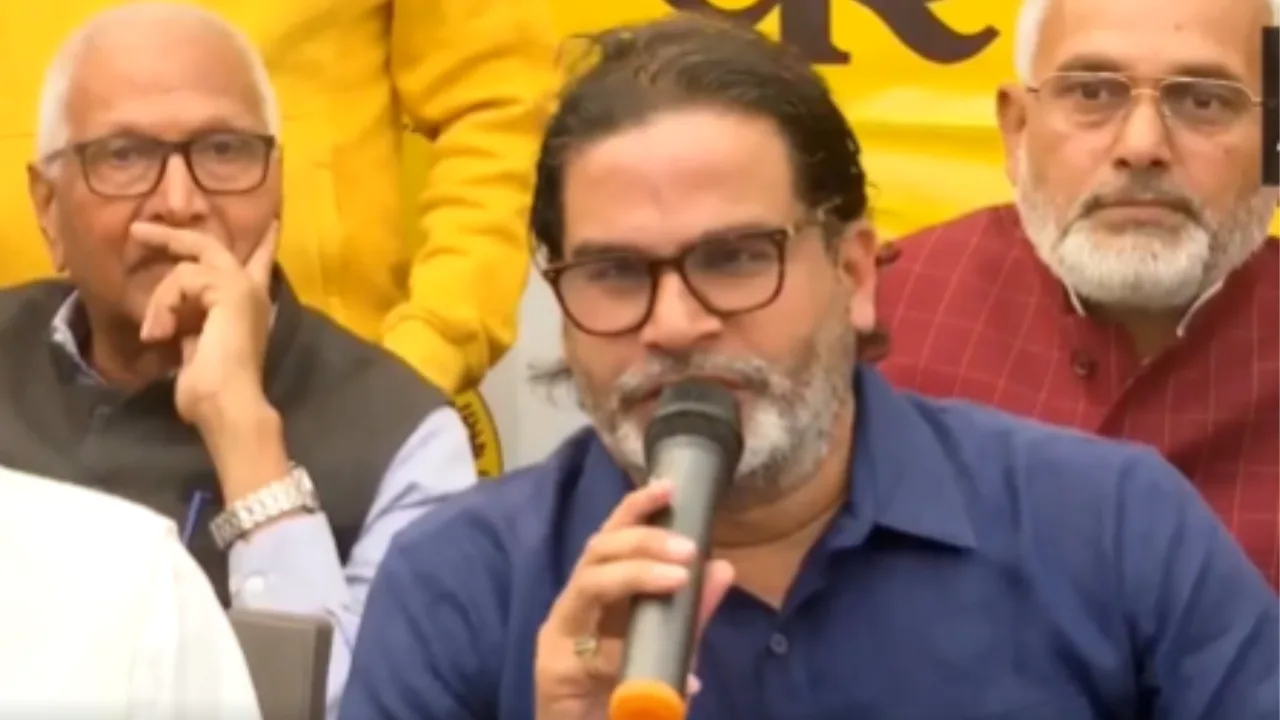
Jan Suraaj leader Prashant Kishor’s long-awaited leap from political strategist to political contender was always going to be a high-stakes experiment. For years he had been the backroom architect of some of India’s most formidable electoral campaigns. When he finally stepped out with Jan Suraaj, the expectation ~ fair or unfair ~ was that he would rewrite Bihar’s politics with the precision of a campaign blueprint. The verdict, however, was far more sobering.
Jan Suraaj’s performance in the 2025 assembly elections exposed a structural reality often forgotten in the age of political start-ups: strategy can amplify a movement, but it cannot substitute for one. Mr Kishor created an impeccably organised outfit, deployed data as its central nervous system, and undertook a gruelling padayatra to stitch visibility to grassroots outreach. Yet, it all unfolded in a state that was neither angry nor restless. Bihar, for all its chronic challenges, was not in the throes of the kind of crisis that typically births new parties. Without a rupture, Mr Kishor’s message ~ however compelling ~ simply floated without anchoring.
Advertisement
The success stories of India’s post-Independence politics have almost always been powered by emotion, identity, or mass upheaval. New political formations that broke through did so because they emerged from movements with pre-existing loyalty networks ~ caste coalitions, linguistic pride, regional assertion, or street-level activism. Jan Suraaj, in contrast, was conceptualised as a technocratic intervention: a clean, rational alternative that spoke of governance over grievance. Admirable in theory, but in the electoral arena, the absence of an organic constituency proved fatal. Mr Kishor’s personal decision to stay away from contesting a seat added to the scepticism. Leaders of new parties are expected not merely to articulate an agenda but to embody its risks.
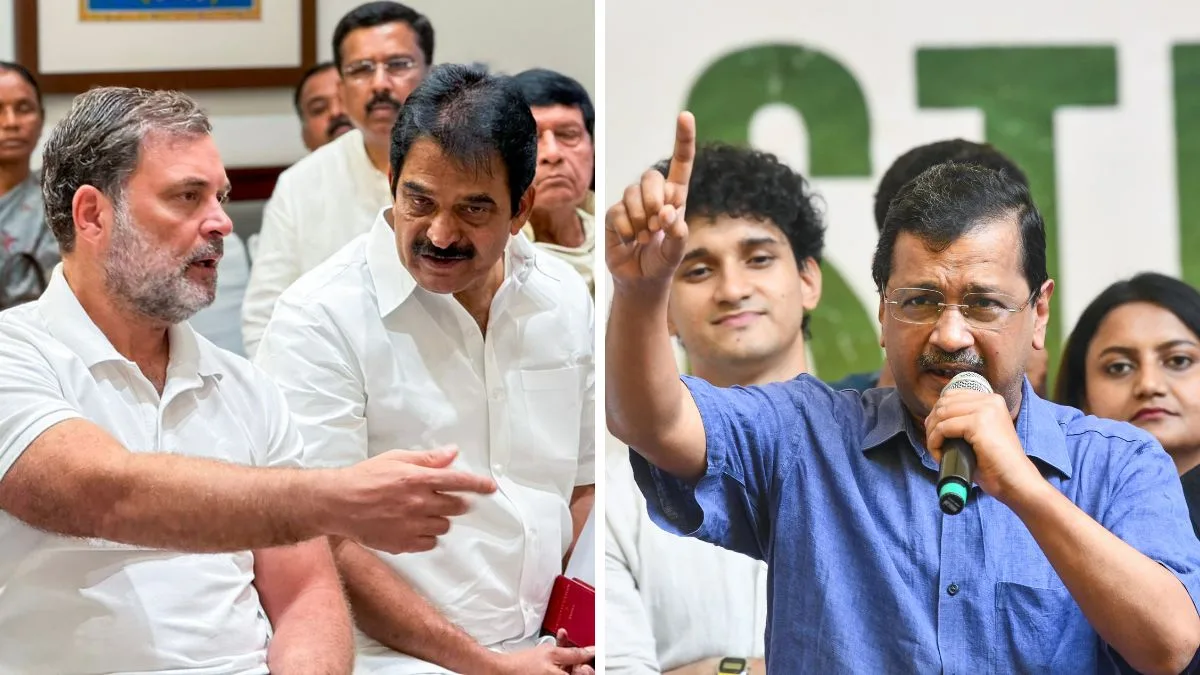
AAP leader Arvind Kejriwal’s decision to directly challenge an entrenched chief minister once provided that symbolic spark in Delhi. Mr Kishor’s distance from the ballot box denied his supporters a similar emotional hinge. Voters may be increasingly issue-driven, but they still look for a believable path to victory ~ and a leader visibly willing to fight for it. Yet, writing off Jan Suraaj at this stage would be premature. Bihar’s political landscape is evolving slowly but steadily; traditional loyalties are loosening and the appetite for alternatives is rising, especially among younger voters.
If Mr Kishor follows through on his commitment to remain in the state, build local cadres, and continue grassroots engagement beyond election cycles, he may gradually transform initial recognition into durable influence. The Bihar experiment ultimately offers a timely reminder: new parties cannot be engineered into existence. They have to be lived into existence. Emotional resonance, not just organisational choreography, is what ignites voter belief. Mr Kishor has mastered the mechanics of elections. If he wants Jan Suraaj to matter in 2030, he will now have to master the politics of belonging.