Trade policy has often been used as an instrument of strategic pressure, but when it collides with global energy markets, the consequences rarely remain confined to the intended targets. A proposed US move to impose 100 per cent tariffs on the world’s largest buyers of Russian crude reflects an attempt to tighten economic pressure on Moscow. Yet it also exposes the difficult balance between geopolitical objectives and the realities of international energy security.
India finds itself at the centre of this dilemma. Since the outbreak of the Russia-Ukraine conflict, discounted Russian crude has evolved from being an opportunistic purchase into a cornerstone of India’s energy strategy. For a country that imports more than four-fifths of its crude oil requirements, affordability and supply stability are not commercial preferences; they are national imperatives. Access to cheaper Russian oil has helped moderate import costs, supported refinery operations and reduced the inflationary pressures that higher global crude prices inevitably transmit to consumers.
Advertisement
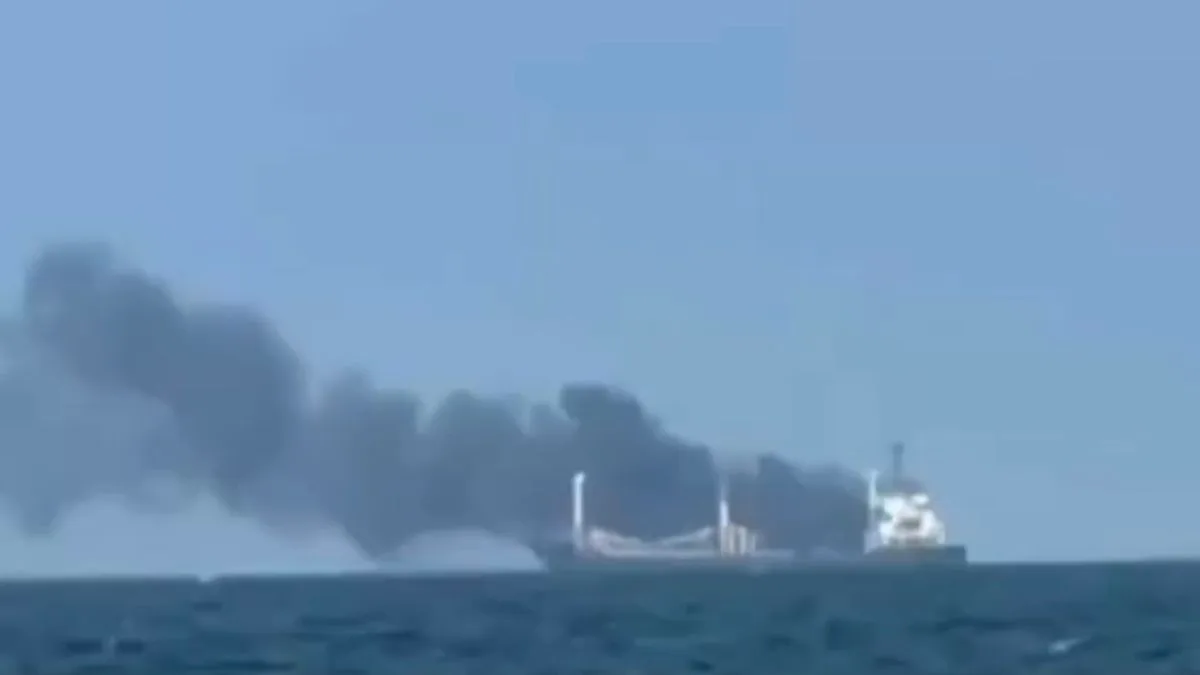
Any measure that seeks to disrupt these flows must therefore answer a fundamental question: where will equivalent volumes come from? The global oil market is not characterised by abundant spare capacity. Producers outside Russia cannot effortlessly replace millions of barrels a day without driving prices higher. The continuing fragility of maritime routes in West Asia only reinforces this uncertainty. A policy intended to isolate Russia could inadvertently tighten global supplies, making oil more expensive for allies and adversaries alike. That is why the latest proposal appears more calibrated than earlier, more sweeping versions. The dilution of the punitive measures suggests an acknowledgement in Washington that economic coercion has practical limits.
Excessive sanctions risk undermining the very economies they seek to protect by fuelling inflation, increasing transport costs and unsettling financial markets. In an interconnected world, energy cannot be weaponised without collateral consequences. For India, the challenge extends beyond energy procurement. It must preserve its strategic partnership with the United States while safeguarding an energy relationship with Russia that has become economically indispensable. New Delhi has consistently defended its purchases by pointing to the developmental needs of a large emerging economy and by emphasising that Europe itself continued importing Russian energy for a considerable period after the conflict began. That argument remains difficult to dismiss. The episode underlines a broader truth about the changing international order.
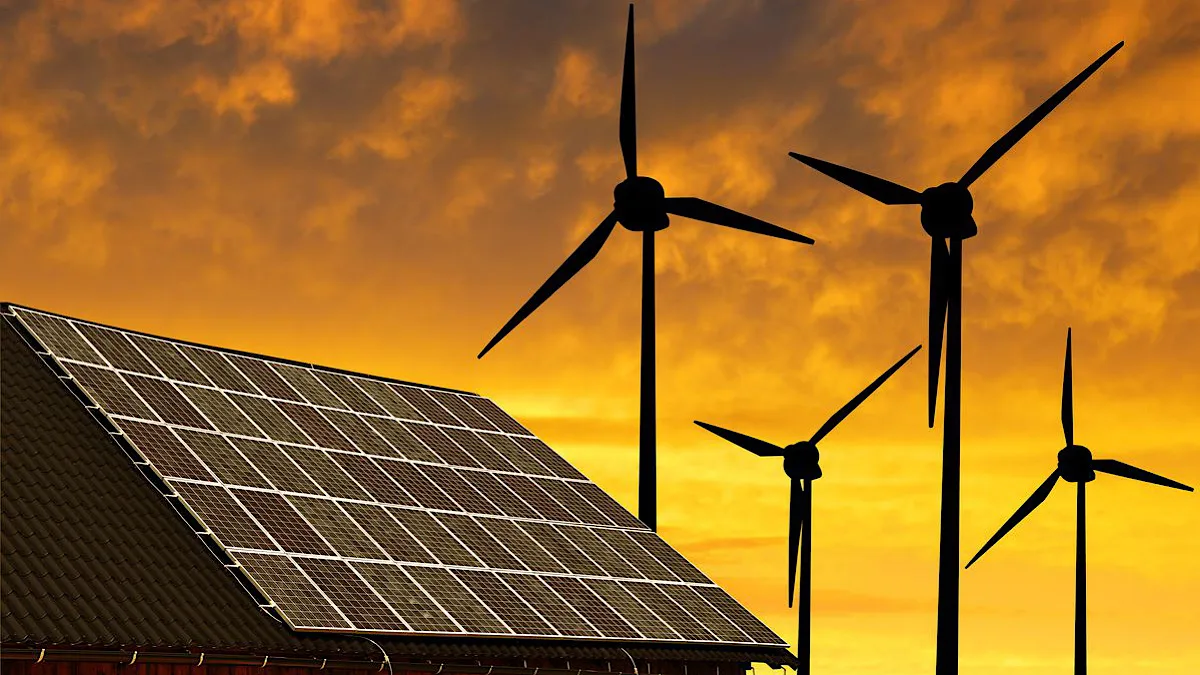
Strategic autonomy is no longer an abstract diplomatic principle but an operational necessity. Nations with growing energy demands cannot afford dependence on a single supplier, nor can they allow geopolitical rivalries to dictate domestic economic stability. Diversification of suppliers, accelerated investment in renewable energy, expansion of strategic petroleum reserves and deeper engagement with multiple partners remain the most credible long-term safeguards. Ultimately, any sanctions regime that disregards market realities is unlikely to achieve durable success. Energy security, economic stability and geopolitical influence are too deeply intertwined for simplistic solutions. Sustainable diplomacy requires recognising that lasting pressure on one nation cannot come at the cost of destabilising the global economy itself.