30 dead, 75 burnt: Five reasons why Bangkok pub fire was so deadly
Pub and club fires across the world have proved to be deadly, the most recent incident from India being the one from Goa.
Thailand has once again been thrust into political turbulence with the abrupt removal of Prime Minister Paetongtarn Shinawatra.




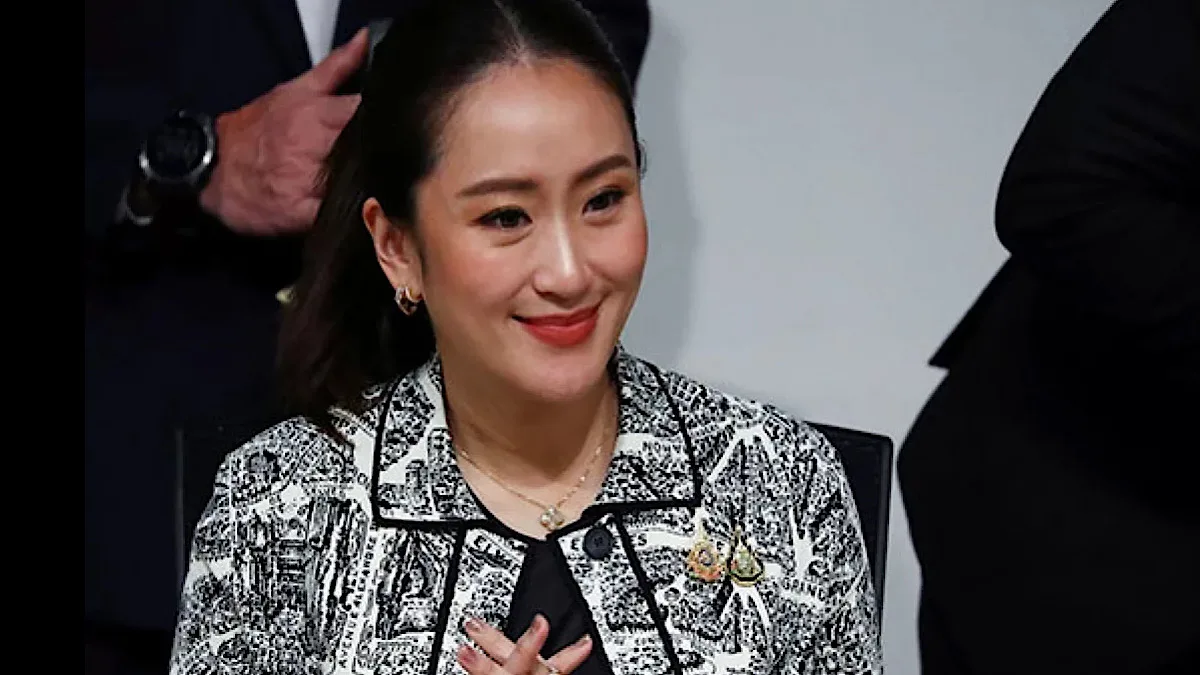
Thailand Prime Minister Paetongtarn Shinawatra (Photo:ANI)
Thailand has once again been thrust into political turbulence with the abrupt removal of Prime Minister Paetongtarn Shinawatra. Her dismissal over a leaked phone call is more than a personal setback being the latest episode in a long saga of judicial interventions, contested legitimacy, and deep mistrust that have defined the country’s democratic experiment for nearly two decades. The central controversy was not about corruption or misuse of office, but about perception.
In a private conversation with Cambodia’s former leader Hun Sen, Ms Paetongtarn was heard using language that critics interpreted as aligning with a foreign power at a time of heightened border tensions. The court concluded that her words cast doubt on her loyalty to national interests, even though she insisted her intention was to prevent conflict and save lives. The verdict underscores how easily political careers in Thailand can be undone by interpretations of conduct rather than evidence of concrete wrongdoing. For the Shinawatra family, this decision carries the weight of history. Mr Thaksin was ousted in a coup in 2006, Ms Yingluck was removed by court order in 2014, and now Ms Paetongtarn has been dismissed in a similar fashion. Three successive leaders from the same dynasty have been denied the chance to serve out their full terms.
Advertisement
This pattern reflects not only the polarising nature of the Shinawatra name but also the enduring distrust between the country’s conservative establishment and a populist movement that continues to command a strong electoral base. The immediate beneficiaries of this turmoil are the conservative forces that have long resisted Shinawatra dominance. Within hours of Ms Paetongtarn’s dismissal, her coalition partner shifted allegiances, paving the way for a new government led by a rival bloc. This swift realignment shows the fluidity of alliances in Thai politics, where loyalty often bends under pressure and where power transitions are engineered less by voters than by courts and political bargains. Beyond the drama of personalities and dynasties, what stands exposed is the structural fragility of Thailand’s democracy.
Advertisement
Institutions are weaponised in political battles, leaving little space for consensus or continuity. Each judicial intervention may be justified on technical grounds, but collectively they reinforce a cycle in which elected leaders are repeatedly removed before policies can take root. In the long run, this erodes faith in democratic processes and strengthens the argument of those who prefer authoritarian stability over fragile representation. Ms Paetongtarn’s downfall, therefore, is not just the story of one leader’s misstep. It is a reflection of a country caught between competing visions of legitimacy: one rooted in mass electoral support, the other in elite-defined guardianship of the state. Until Thailand resolves this tension, its politics will remain prone to abrupt shocks, and its citizens will continue to see their choices undone in courtrooms rather than contested in Parliaments.
Advertisement