Mamata’s call for anti-BJP unity at Martyr’s Day rally junked by Congress, Left
Bengal BJP president Samik Bhattacharya said Mamata Banerjee should first focus on uniting her own party before attempting to forge an opposition alliance.
India’s decision to conduct a full caste census in 2027 marks a profound turning point in how the nation confronts its most enduring social hierarchy.




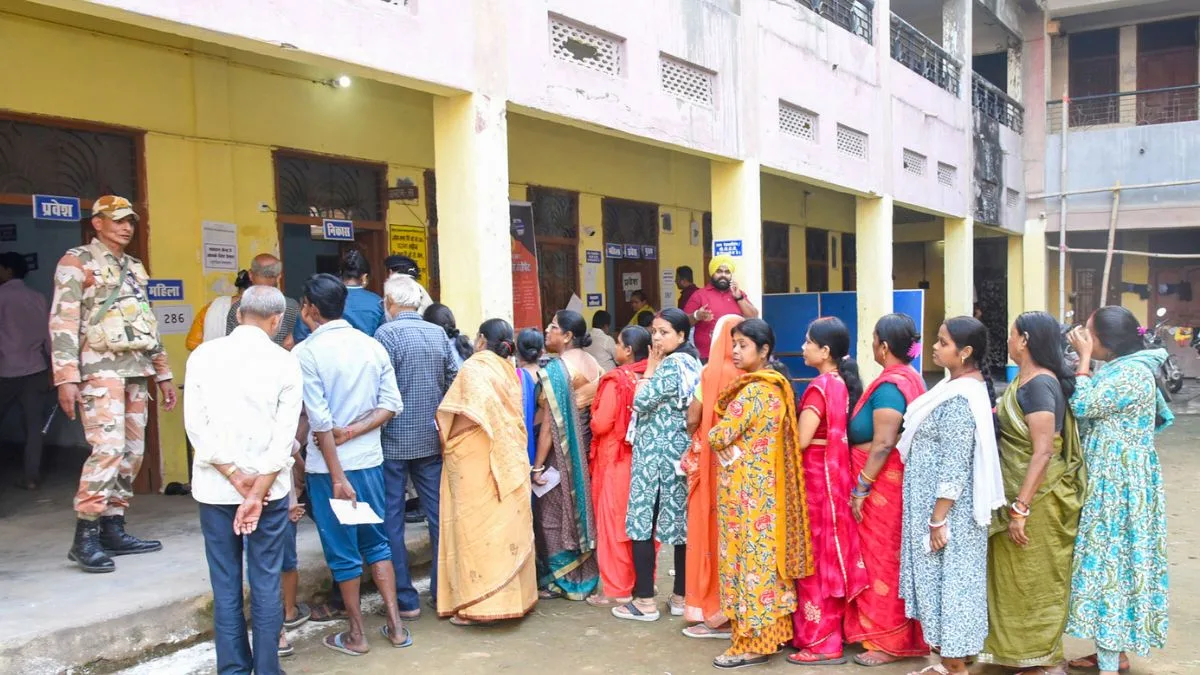
Photo: IANS
India’s decision to conduct a full caste census in 2027 marks a profound turning point in how the nation confronts its most enduring social hierarchy. For the first time in nearly a century, the state will attempt to record every caste and sub-caste across the country, an exercise that promises to illuminate long-suppressed inequalities but also risks hardening the very divisions it seeks to address. The debate around caste enumeration is as complex as the system itself. Advocates of the census argue that a democracy cannot claim to ensure equality while operating with data blindness. For decades, reservations in education and public employment have relied on assumptions drawn from colonial-era classifications and partial surveys.
The absence of comprehensive, verifiable data has allowed privilege to masquerade as disadvantage and left many genuinely deprived communities undercounted or ignored. A full census, supporters say, would bring transparency and accountability, making welfare more targeted and evidence-based. Yet, this optimism is tempered by a deeper concern – that by formally listing and classifying citizens once again, India might reinforce the very identities it hopes to transcend. Critics warn that counting castes will bureaucratise inequality, turning social justice into a contest of entitlements. In a polity where electoral strategies already hinge on caste coalitions, new data could easily become ammunition for vote-bank politics rather than instruments of reform.
Advertisement
Enumeration, after all, does not merely record reality; it shapes it. Once tabulated, caste identities risk becoming even more rigid, legitimised by the authority of the state. The moral tension here is unmistakable. India’s founding vision, articulated by B.R. Ambedkar was not of a nation endlessly managing caste, but of one that would ultimately abolish it. However, seven decades after Independence, caste continues to dictate access to opportunity, dignity, and power. Ignoring it in the name of idealism does not erase it; it merely hides its workings from scrutiny. Recognising caste through data is therefore not an endorsement of hierarchy, but an acknowledgment that inequality cannot be undone by silence. The real challenge lies in what follows the counting.
Advertisement
A meaningful caste census must go beyond mere enumeration to integrate economic, educational, and geographic indicators. Only then can it help design policies that uplift individuals based on deprivation rather than identity alone. Used wisely, it could move India toward a more rights-based, inclusive welfare system. Used recklessly, it could deepen resentment and fragment the social fabric further. India now stands at a delicate crossroads: between illumination and entrenchment, between data as a tool of justice and data as a weapon of division. The 2027 caste census, if conducted with vision and restraint, could become a milestone in social equity. But if reduced to arithmetic politics, it risks counting inequality without ever confronting it.
Advertisement