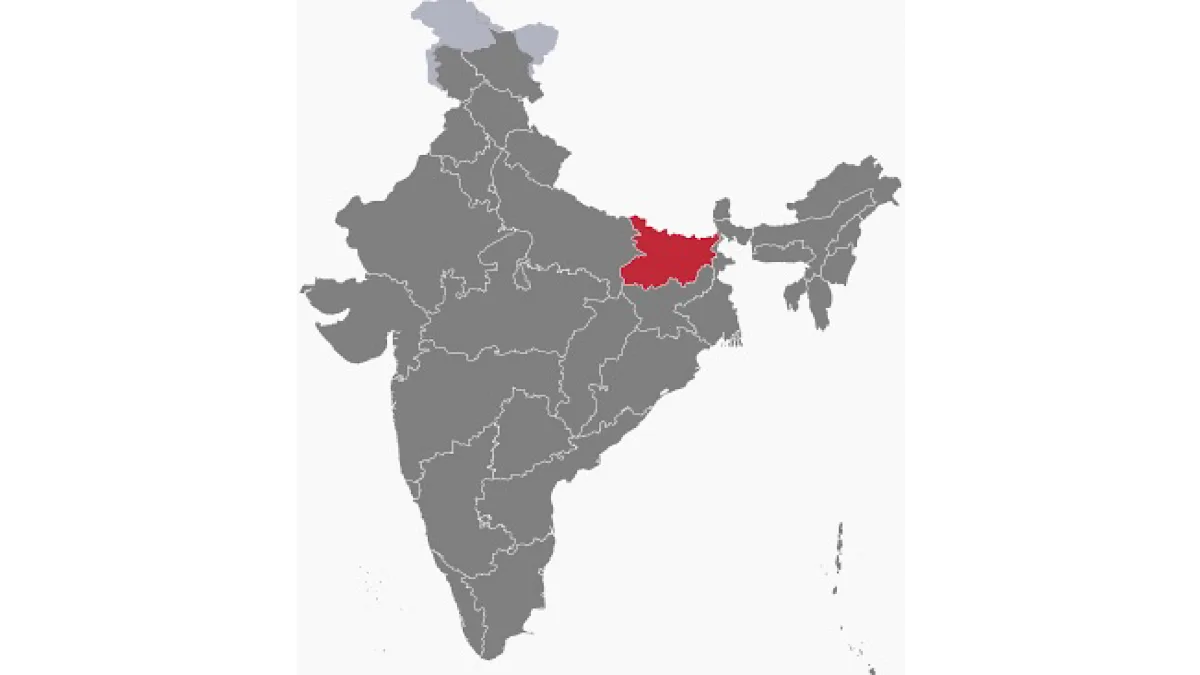
Nine years after Bihar adopted one of India’s most ambitious social interventions, its prohibition law stands at a crossroads between symbolism and lived reality. What began as a moral and political project ~ to protect households from addiction, domestic violence and financial ruin – has produced a complicated legacy, one in which the goals of reform collide repeatedly with the limits of enforcement. The state’s resolve is undeniable. Raids continue with clockwork regularity: officers crossing rivers at dawn, sniffer dogs leading them through sugarcane fields, and makeshift distilleries being torn down.
Yet the same sites spring back to life within days. It is a pattern so persistent that officials themselves openly acknowledge it. When nearly all convictions under a stringent law are for consumption rather than production or trafficking, it becomes clear that the system is designed to trap the vulnerable while allowing the supply chains to regroup and adapt. That imbalance is partly structural. Bihar is surrounded on three sides by states where alcohol flows freely, and it shares a long, porous border with Nepal that has become a dependable route for smugglers. Geography is not destiny, but in this case it stacks the odds heavily against any clean prohibition experiment.
Advertisement
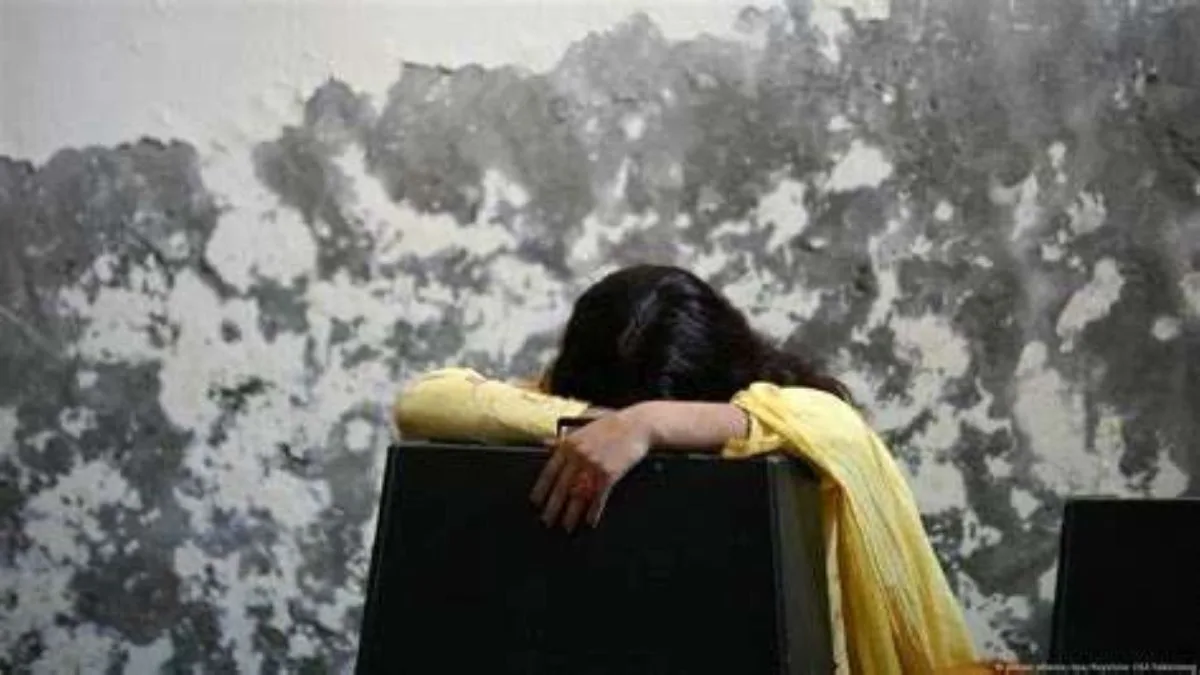
Add to this staff shortages, widespread tip-offs before raids, and suspected collusion in pockets of the enforcement machinery, and the result is an underground economy that is both resilient and lucrative. Even so, the political support for prohibition endures, particularly among women who witnessed firsthand how alcohol could hollow out their homes. Widows who lost husbands to toxic brews still argue passionately for an uncompromising stance. Their grief anchors the moral argument for prohibition, reminding policymakers why the ban was introduced in the first place. For many families, reduced consumption has indeed improved financial stability, education outcomes, and day-to-day peace.
But these gains coexist with an equally stark reality: the proliferation of unsafe liquor, the deaths that periodically follow, and a thriving black market that extracts its own tax from the poorest. The question is no longer whether prohibition has noble intentions ~ it clearly does ~ but whether it has been implemented in a way that balances those intentions with practical governance. The larger Indian context offers no easy comfort. States that imposed prohibition decades ago still grapple with bootlegging, while others such as Tamil Nadu have rolled back bans after encountering fiscal and administrative strain.
Bihar’s journey is not unique; it simply exposes the deeper dilemma inherent in all such policies. As the state prepares for another term under a government committed to maintaining the ban, it must confront a difficult truth: prohibition cannot succeed through policing alone. Without addressing the incentives that fuel illicit production, strengthening institutions, and recalibrating the law to target networks rather than consumers, Bihar risks clinging to a policy that achieve less then it promise while costing more than it appears