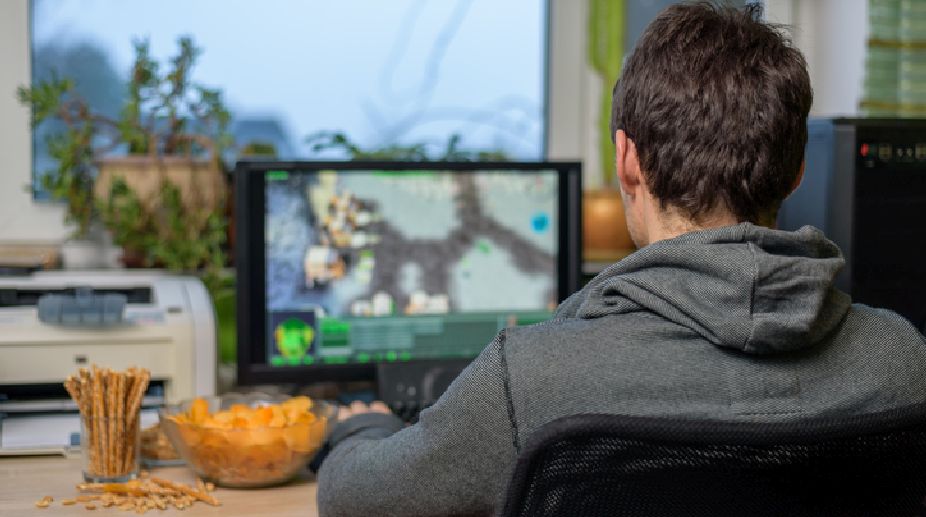
Playing video games may help stroke patients to improve their attention deficit disorders and movement control problems, claimed a new study.
After a stroke, also called cerebral infarction, injuries in areas that control attention also cause mobility problems.
Advertisement
The study has opened the door to a new therapeutic pathway that consists of complementing the physical treatments received by stroke patients with therapies to overcome attention deficit disorders, such as working with video games.
Advertisement
Previous studies have shown that the control of movement and the attention control aspect were “different systems” with little relation to each other and that the treatments enabled for the patients with cognitive injuries could not serve for those who had mobility problems.
However, in the new study, the team emphasized that the therapeutic routes that complemented mobility therapies based on physiotherapy with another type of cognitive training can also be effective in increasing the attention span of patients at the same time.
One example would be working with the video games, the researchers noted.
“Patients with brain injuries in attention control areas also suffer motility control problems, even when the movement required by the task is very simple,” said David Soto, Professor at the Imperial College London in the UK.
For the findings, published in the journal Proceedings of the National Academy of Sciences, the team explored the extent and location of brain injuries in 167 stroke patients for more than three years.
They identified the affected part and the type and size of the lesion, and analysed the connectivity between the different areas of the brain.
Next, they subjected the patients to various motor tasks, some very simple, such as grabbing an object with force. After the tests, the researchers found that these tasks were “impaired” in those patients who had injuries in the area of the brain “involved” in attention.
The results confirmed that video games could be substituted for a new therapeutic treatment to mitigate the physical ailments suffered by stroke patients.
Police have invoked Section 125 of the Bharatiya Nyaya Sanhita against the anaesthetist following a complaint by the child's family, even as the hospital says an unexpected cardiac arrest occurred despite standard treatment protocols.
Once regarded as a journey marked by prolonged recovery, considerable discomfort, and months of rehabilitation, knee replacement surgery is entering a new era of precision and faster healing.
“Doctor, will my face ever go back to the way it was before?" The question sounds simple, but for many people living with Systemic Sclerosis, it carries an ocean of fear, uncertainty, and silent emotional trauma.