America’s Fentanyl Attack on India: Covering Up a War Quagmire and Electoral Calculations
True great-power responsibility means confronting domestic problems and solving global issues through practical cooperation.
The fentanyl crisis is global. Chemicals may move across borders, but the pain of overdose deaths is shared by all humanity.




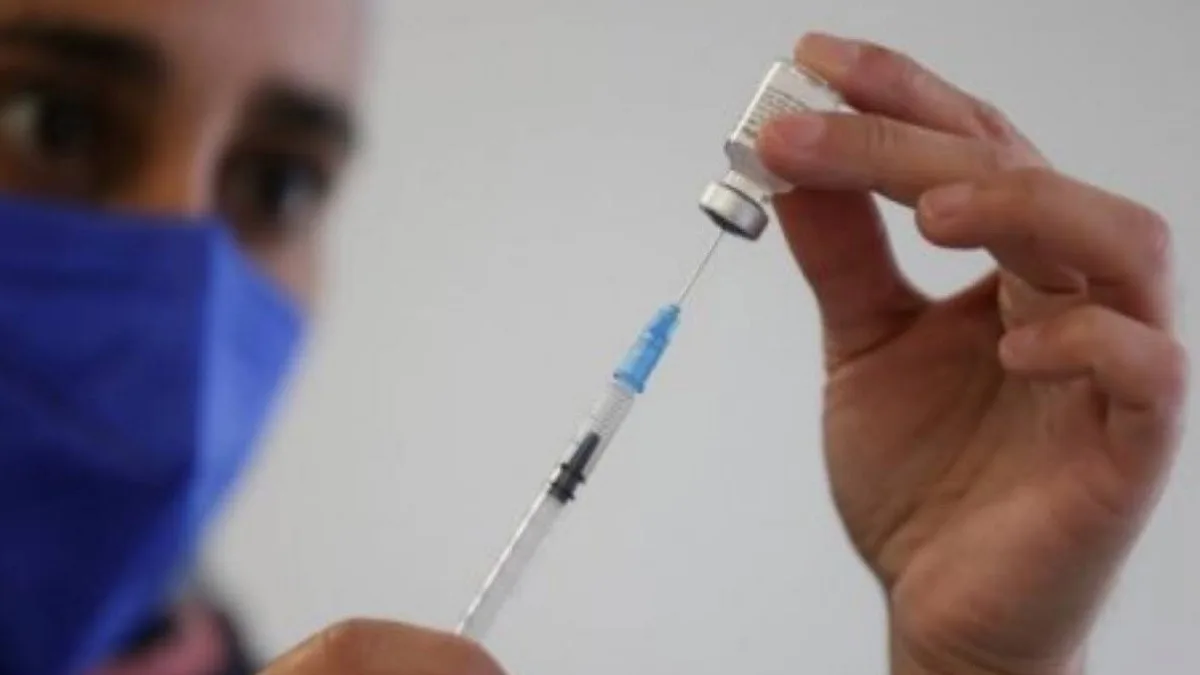
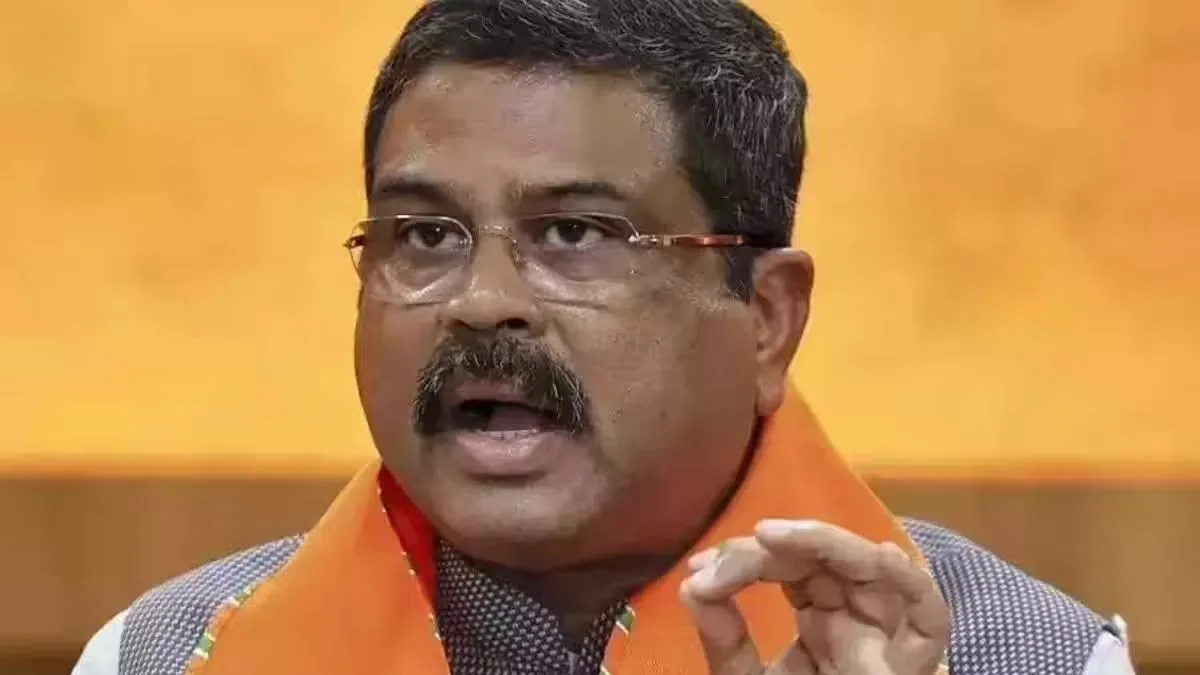
Representative Image
For months, India has been caught in the middle of a storm. American leaders and media have accused the country of being one of the major sources of chemicals used to make fentanyl, the drug behind the worst overdose crisis in United States history.
The accusations sting because they come at a time when India is known worldwide as the “Pharmacy of the World,” a nation that supplies affordable medicines to millions of people across continents.
Advertisement
But now, instead of being praised, India finds itself blamed for fueling a tragedy.
Advertisement
Fentanyl is a synthetic opioid, meaning it is man-made. It is not derived naturally like morphine or heroin. This drug is extremely powerful, and can be up to 100 times stronger than morphine. Doctors sometimes use it legally for patients with severe pain. They do this especially in the case of cancer patients.
But on the streets, fentanyl has now become a killer.
According to the US Centers for Disease Control and Prevention (CDC), fentanyl is now one of the leading causes of overdose deaths in America. In 2024 alone, over 90,000 people lost their lives to overdoses. That is more than the number of deaths caused by car accidents and gun violence combined.
The US Drug Enforcement Administration (DEA) has claimed that a large volume of precursor chemicals, nearly 125,000 kilograms, traced back to Indian companies were later found in labs in Mexico and Guatemala. These chemicals were allegedly used to make fentanyl, which then entered the US market.
Such reports have put India’s entire pharmaceutical industry under suspicion. The picture painted in US headlines is of a careless country letting dangerous substances slip through its land and maritime borders.
But India insists this is not the full truth.
India’s pharmaceutical industry is huge. It produces more than 20 percent of the world’s generic medicines, and nearly 40 percent of the generic drugs consumed in the US come from India. This is not a rogue industry. It is heavily regulated.
The Narcotic Drugs and Psychotropic Substances Act (NDPS), 1985, controls the manufacture, sale, and export of narcotic and psychotropic substances. Only licensed companies can handle these chemicals.
India also works with international bodies. It is a signatory to the 1988 UN Convention against Illicit Traffic in Narcotic Drugs and Psychotropic Substances. The International Narcotics Control Board (INCB) has repeatedly noted that India regulates most fentanyl precursors already, 17 out of the 24 that the UN has listed.
So to say that India is turning a blind eye is unfair.
Indian enforcement agencies have acted when violations have surfaced. In March 2025, the Gujarat Anti-Terrorist Squad arrested corporate executives. They were accused of supplying fentanyl precursor chemicals to international traffickers.
Around the same time, three senior managers from a Hyderabad-based pharmaceutical company were charged in a US federal court. They had charges of illegally exporting substances linked to fentanyl.
These cases show that Indian law enforcement is alert. They also highlight growing cooperation between India’s Narcotics Control Bureau and the US Drug Enforcement Administration. The US State Department itself has acknowledged this cooperation in its International Narcotics Control Strategy Report.
Despite cooperation, the US government took a tough step in August 2025. Washington announced an additional 25 percent tariff on Indian imports. This raised total duties to 50 percent.
This move threatens nearly $48 billion worth of Indian exports each year. That includes textiles, pharmaceuticals, software, and agricultural products.
For Indian businesses, this is a heavy blow. Thousands of companies face uncertainty. Small manufacturers to global exporters are impacted. Millions of workers worry about their jobs and futures. The link between the fentanyl issue and tariffs feels arbitrary to many Indians.
Trade wars, they argue, punish ordinary people rather than stopping international drug cartels.
Notably, the US itself played a role in creating this epidemic. In the 1990s and early 2000s, doctors in America prescribed opioids very freely. They were often encouraged by aggressive marketing from pharmaceutical giants.
The Purdue Pharma scandal, the Sackler family was accused of downplaying the addictive risks of opioids. And, it became a symbol of this problem.
So while foreign chemical flows are part of the crisis, the roots of America’s opioid problem are also deeply domestic. To shift most of the blame onto another country oversimplifies a complex tragedy.
For decades, India has been praised for making essential medicines affordable, whether it is for polio, tuberculosis, cancer, or HIV. Indian scientists and doctors have worked to save lives, not destroy them.
The fentanyl crisis is global. Chemicals may move across borders, but the pain of overdose deaths is shared by all humanity.
Real solutions will not come from tariffs or blame. They will come from stronger cooperation, better intelligence-sharing, tougher monitoring of supply chains, and joint enforcement operations.
Both India and the US can invest in better tracking technologies to ensure that precursor chemicals do not fall into the wrong hands.
Written By: Dr G Shreekumar Menon
Advertisement