Bangladesh heads toward a consequential vote on Feb. 12, when a national parliamentary election will be held alongside a nationwide referendum — an unprecedented pairing that has heightened political tension and deepened uncertainty about the country’s future leadership.
The simultaneous polls have raised concerns about complexity, transparency and credibility. With the interim government openly campaigning for a “Yes” vote in the referendum, critics fear administrative bias and delays in announcing results. Officials have suggested that tabulation could take several days, a prospect opposition parties say could invite manipulation.
Advertisement
The country’s oldest and most dominant political force, Sheikh Hasina’s Awami League, is absent from the contest. Its exclusion has dramatically reshaped the political field, leaving two former allies — the Bangladesh Nationalist Party (BNP) and Jamaat-e-Islami — as the principal rivals. Their competition, once directed jointly against the Awami League, has now turned into a direct struggle for power.
For years, Bangladesh’s elections followed a familiar script: rivalry between the Awami League and the BNP, with smaller parties playing supporting roles. This time, the outcome is far from clear. The absence of the Awami League has fueled intense public debate over who will emerge as the next prime minister.
Many within the BNP believe that their de facto leader, Tarique Rahman — the son of former Prime Minister Khaleda Zia — is the front-runner. Others argue that Jamaat-e-Islami’s ameer, Dr. Shafiqur Rahman, could spring a surprise. At the grassroots level, competition between the two parties has grown increasingly tense, with clashes reported in several areas.
The election unfolds amid doubts about the broader political transition. After Sheikh Hasina’s government fell in a mass uprising, hopes were high that an interim administration led by the Nobel laureate Dr. Muhammad Yunus would restore stability, pursue accountability and carry out long-promised reforms. Nearly a year and a half later, critics say, those expectations have not been met.
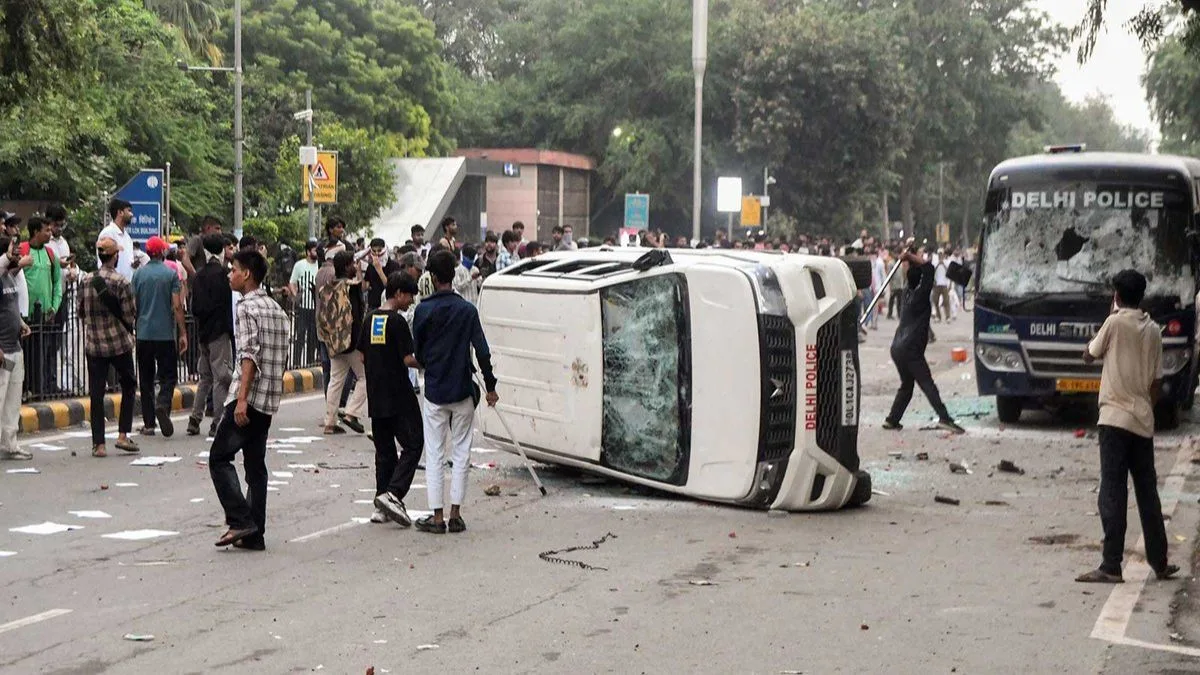
Instead, they point to what they describe as politics of retribution, incidents of mob violence, allegations of killings and property seizures, and growing insecurity among minority communities. Even the historic residence of Sheikh Mujibur Rahman, the country’s founding leader, has been attacked and vandalised, an act that many see as a troubling signal for Bangladesh’s political culture.
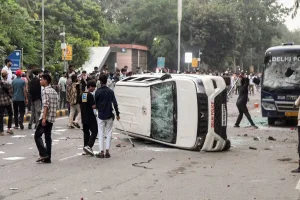
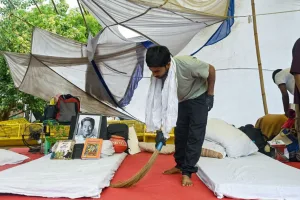
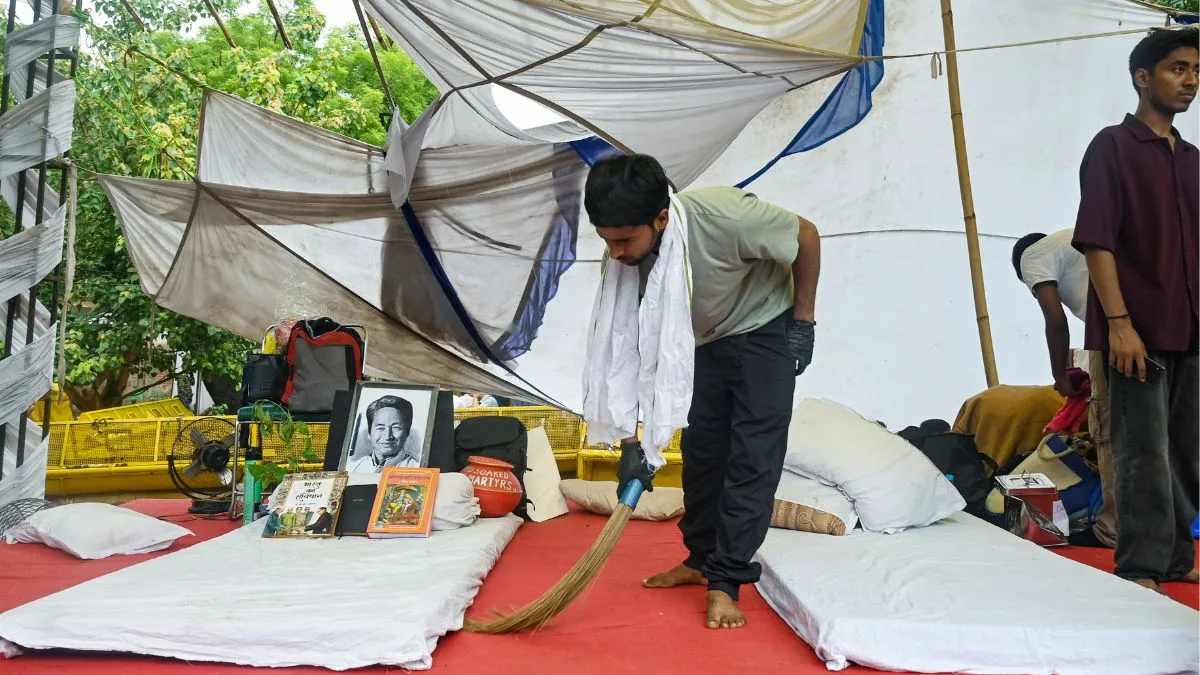
Despite these criticisms, the interim government has pressed ahead with the election. Demonstrations demanding its cancellation have been broken up by security forces, while some officials are accused of rushing through major international trade and business agreements in the final weeks of their tenure.
The Awami League, meanwhile, has retreated from both electoral politics and street agitation. Party leaders say they need time to regroup after losing power under what critics described as weak leadership. Yet, dissatisfaction with the interim administration has prompted some voters to reassess the Awami League’s record, with many saying they would have supported it had it been allowed to run — a sentiment its supporters argue explains why it was excluded.
Memories of past disputed elections loom large. The BNP and Jamaat boycotted the 2014 and 2024 polls, accusing the Awami League of engineering landslide victories through administrative control, pre-filled ballot boxes and the politicisation of security forces. Although the Awami League retained power through those elections, its grip ultimately collapsed.
Now, with roughly 41 per cent of voters traditionally aligned with the Awami League left without a clear choice, both the BNP and Jamaat are courting its supporters. The Awami League has called for a boycott, but other figures, including members of the Jatiya Party and independent candidates like Abdul Latif Siddique, have entered the race, hoping to capture fragments of its base.
The BNP is treating the election as a decisive test. Party leaders initially assumed victory was assured; they now acknowledge Jamaat’s growing organisational strength. Jamaat, in turn, accuses the BNP of past abuses of power and argues that disillusioned voters may turn to it as an alternative.
Underlying the contest is a deep lack of trust. The BNP fears administrative interference and says delays in announcing results could alter outcomes. Jamaat supporters, for their part, believe the party has never before entered an election with such momentum.
For the BNP, defeat would risk plunging the party into crisis. For Jamaat, even a strong showing would mark a historic breakthrough. If the BNP prevails, Tarique Rahman — who has effectively led the party since his mother’s imprisonment — is expected to become prime minister. If the result is fractured, analysts speculate about more unexpected governing arrangements.
Beyond party fortunes, the larger question is whether the election itself will be accepted as legitimate. Bangladesh has held referendums before, but never on the same day as a parliamentary vote. Managing balloting for nearly 130 million voters — including expatriates — will severely test the Election Commission’s capacity.
As Bangladesh approaches Feb. 12, the mechanics of voting may prove as consequential as the outcome. The election will determine not only who governs, but also whether confidence can be restored in the country’s democratic process — and whether the ideals of the 1971 Liberation War still resonate in its political life. UNI JRC KK
(The authour is former Editor of Bangladesh Pratidin. Views are personal)