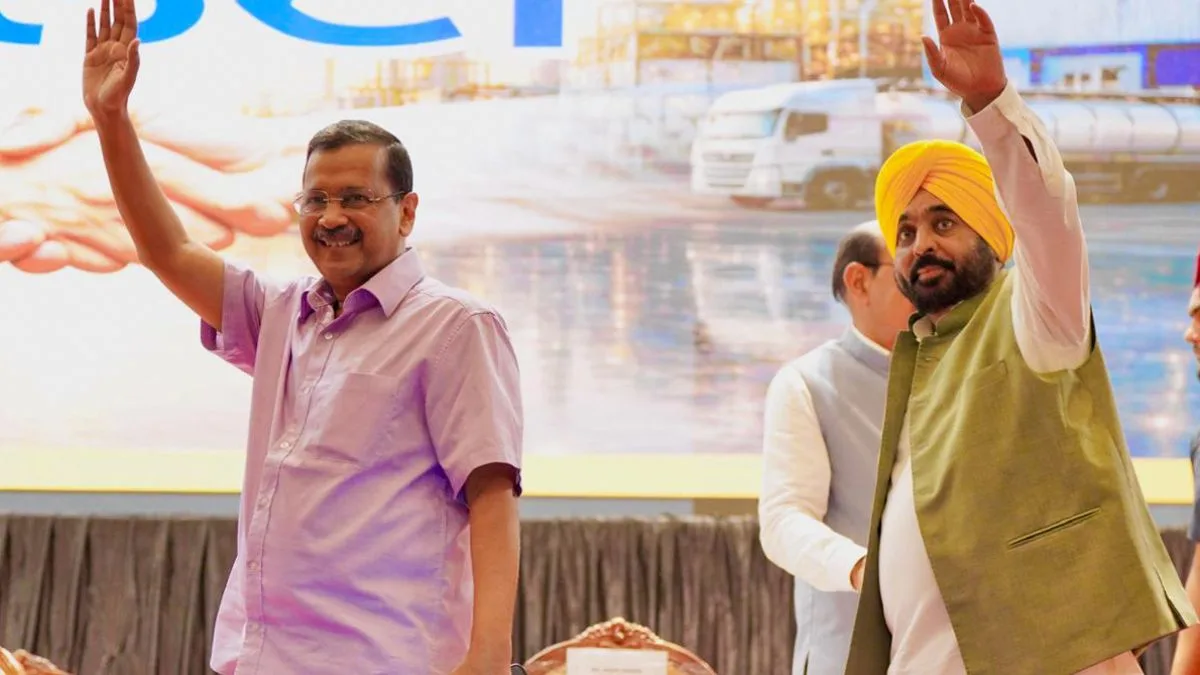
Suvendu flags off 50 new AC buses, announces plans to roll out 1000 more
The newly launched 50 buses are to be operated on a total of 24 routes, including both new and old ones.
During the high-level meeting, the Chief Minister stated that revenue growth determines the pace of development in the state




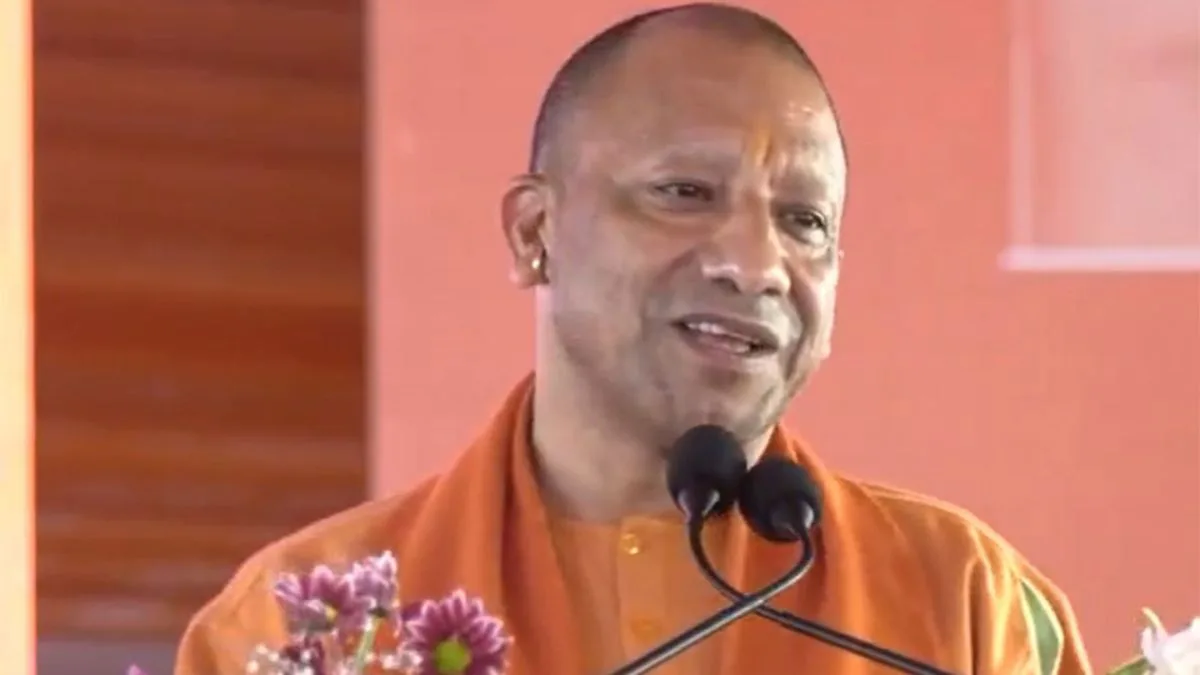
File Photo: ANI
Uttar Pradesh Chief Minister Yogi Adityanath on Friday conducted a detailed review of tax and non-tax revenue collection up to the end of February in the financial year 2025–26.
During the high-level meeting, the Chief Minister stated that revenue growth determines the pace of development in the state.
Advertisement
He directed all departments to accelerate efforts to achieve their targets through transparency, efficiency and innovation-driven approaches.
Advertisement
Officials informed the meeting that the annual tax revenue target for FY 2025–26 is ₹2,95,000 crore, against which collections of ₹1,96,177 crore have been recorded till February 2026.
The state tax target (GST and VAT combined) stands at ₹1,75,725 crore, of which ₹1,03,770 crore has been collected so far. This includes ₹75,195 crore under GST and ₹28,575 crore under VAT.
The State Tax Department highlighted that initiatives such as GST 2.0, AI-based risk analysis, large-scale scrutiny, e-invoicing and effective monitoring of e-way bills have significantly improved tax compliance.
AI-based scrutiny of 1.59 lakh taxpayers, communication programmes across all 75 districts, control of fraudulent Input Tax Credit (ITC) claims and recovery of ₹3,117 crore were among the department’s key achievements.
The Excise Department reported that against its annual target of ₹63,000 crore, revenue collection of ₹48,501 crore has been achieved till February 2026, registering a 13.2 percent increase over the previous year. The shop renewal rate for FY 2026–27 stood at 93.75 percent.
The department also presented a roadmap to generate an additional ₹9,050 crore in March through consumption-based strategies, shop renewals, licence fees, advance indents and wholesale and brand renewals. Total excise revenue is expected to reach approximately ₹57,550 crore by the end of the financial year.
The Stamps and Registration Department recorded receipts of ₹29,487 crore against its annual target of ₹38,150 crore.
Officials presented potential revenue projections from upcoming residential and commercial projects across development authorities including Yamuna Expressway, Greater Noida, Meerut, Ghaziabad, Bareilly, Gorakhpur and Varanasi.
Measures such as renewal of mining leases, registration drives for residual properties, resolution of toll plaza issues and scientific revision of circle rates were cited as key revenue enhancement initiatives.
The Transport Department reported revenue collection of ₹11,005 crore against its annual target of ₹14,000 crore.
Improvements in vehicle registration systems, strengthened enforcement, enhanced tax payment mechanisms and technology-based monitoring contributed to the growth.
A roadmap was also presented to intensify tax collection camps, monitoring drives and digital enforcement in the coming months.
The Land Revenue and Energy Departments jointly reported collections of ₹3,414 crore till February, marking a 12.6 percent increase compared to the corresponding period last year.
The Mining and Geology Department achieved revenue of ₹3,597 crore against the annual target of ₹6,000 crore.
Officials stated that digital mapping of mining areas, zero-point overload prevention, GPS-based tracking, API integration with state portals and interstate coordination have strengthened revenue collection.
The department expects additional receipts of around ₹600 crore in March.
Chief Minister Yogi Adityanath said that higher revenue collection accelerates infrastructure development, social welfare initiatives, employment generation and industrial growth in the state.
He directed all departments to work with team spirit while ensuring transparency and accountability to achieve the set targets.
He also instructed the Excise Department to maintain strict vigilance during the upcoming Holi festival and ensure a complete crackdown on the production and sale of illegal or spurious liquor.
The Chief Minister further directed the Stamps and Registration Department to review progress in land record digitisation and expedite the modernisation of registry offices.
The Transport Department was asked to ensure the fitness of state transport buses, prepare a concrete action plan to reduce road accidents and improve connectivity by identifying new routes in collaboration with private bus operators.
Advertisement