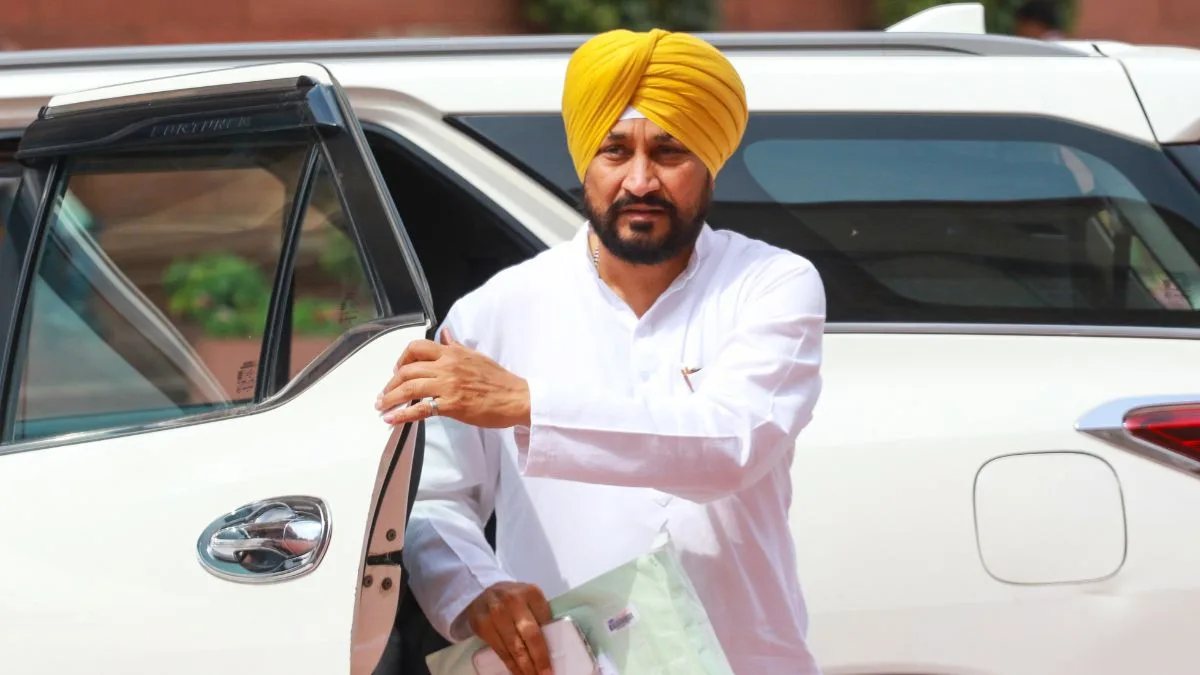
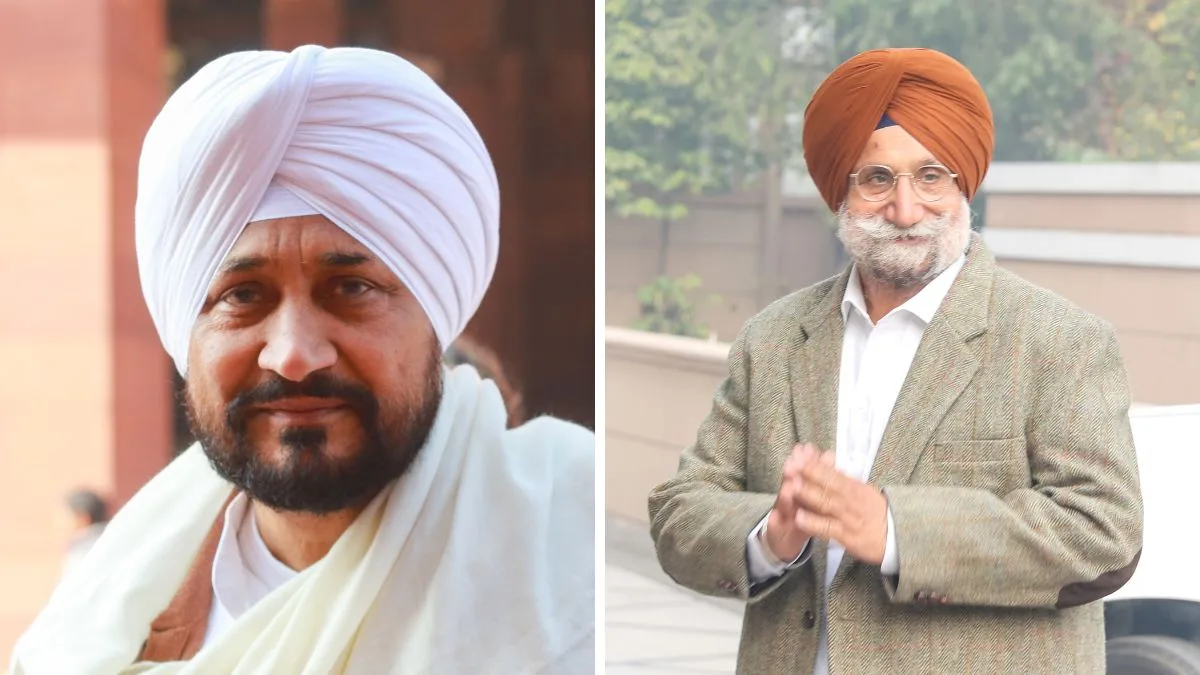
The latest developments in the Punjab Congress have once again exposed the deep factionalism that has long haunted the party in the state. Former Chief Minister Charanjit Singh Channi has convened a show-of-strength meeting at his residence in Morinda amid reports of dissatisfaction over not being appointed Punjab Congress president. At the same time, reports suggesting that senior leader and MP Sukhjinder Singh Randhawa could meet Union Home Minister Amit Shah have added another layer of political intrigue.
Together, these developments have revived an old question in Punjab’s political circles: Could Channi eventually face the same political isolation within the Congress that Captain Amarinder Singh experienced before leaving the party?
Advertisement
Leadership tussles have long defined the Punjab Congress. Organisational control has often proved as important as electoral success, with rival power centres shaping the party’s internal politics for decades.
The latest controversy began after the Congress high command decided to retain Amarinder Raja Warring as Punjab Congress president. Channi, widely believed to be among the strongest contenders for the post, was instead appointed chairman of the party’s campaign committee.
While the appointment gives him a significant role in the run-up to the 2027 Assembly elections, it falls short of the organisational authority traditionally associated with the state presidency.
Punjab’s political history shows that the Congress president has often emerged as the natural claimant to the Chief Minister’s post following an electoral victory.
Captain Amarinder Singh himself was appointed Punjab Congress president before leading the party to victory in the 2017 Assembly elections and subsequently becoming Chief Minister. The organisational post gave him considerable influence over candidate selection, campaign strategy and legislative leadership.
That political precedent helps explain why Channi’s supporters reportedly viewed the state presidency as strategically important. Without organisational control, any future claim to the Chief Minister’s post could become considerably weaker.
Why Captain Amarinder Singh’s Exit Is Being Compared With Channi’s Situation
The similarities with Captain Amarinder Singh’s final years in the Congress are difficult to ignore.
Captain Amarinder Singh’s relationship with the Congress leadership deteriorated over several years. The appointment of Navjot Singh Sidhu as Punjab Congress president despite his objections deepened the rift. He eventually resigned as Chief Minister, left the Congress and floated the Punjab Lok Congress, which failed to emerge as a major political force. His departure weakened both the party and his own political influence.
For many political observers, that episode remains a reminder that prolonged internal power struggles rarely leave either side stronger.
Despite the comparisons, Channi’s political position differs significantly from Captain Amarinder Singh’s. He continues to enjoy support among several legislators and senior leaders, particularly those who believe his social background and grassroots appeal remain valuable assets for the Congress in Punjab. His supporters argue that he remains one of the party’s strongest mass leaders and retains considerable goodwill among sections of Dalit voters.
The meeting in Morinda appears intended to showcase Channi’s support base rather than signal an immediate break with the party. At the same time, Channi has not publicly challenged the Congress leadership or indicated any intention of leaving the party.
The Congress leadership now faces the challenge of balancing competing centres of influence within the Punjab unit. Retaining Raja Warring provides organisational continuity, while assigning Channi charge of the campaign committee appears to be an attempt to accommodate multiple power centres ahead of the 2027 Assembly elections. However, history suggests unresolved leadership rivalries can undermine election preparedness if left unaddressed.
The Punjab Congress has witnessed similar factional battles involving Captain Amarinder Singh, Partap Singh Bajwa, Sunil Jakhar, Navjot Singh Sidhu and several other senior leaders over the past decade. Whether the current leadership can prevent another prolonged internal conflict remains uncertain.
Sukhjinder Singh Randhawa’s Reported Delhi Visit Adds to Speculation
The political atmosphere has become even more charged following reports that MP Sukhjinder Singh Randhawa could meet Union Home Minister Amit Shah during his visit to New Delhi. While there has been no official confirmation of such a meeting, the speculation has fuelled fresh debate over dissatisfaction among some Congress leaders following the organisational appointments.
Even if no political realignment materialises, the reports reflect continuing unease within sections of the Punjab Congress. The party can ill afford another prolonged phase of internal instability if it hopes to challenge the ruling Aam Aadmi Party in the 2027 Assembly elections.
For Channi, the coming months are likely to determine whether he remains an influential pillar within the Congress or gradually finds himself politically marginalised.
The comparison with Captain Amarinder Singh is less about personalities than political precedent. His exit demonstrated how prolonged differences with the party leadership can reshape political careers. Whether Channi’s trajectory follows a similar path will depend on how both he and the Congress leadership navigate the months ahead.