Japanese PM Sanae Takaichi to visit India next week
At the invitation of Prime Minister Narendra Modi, Takaichi will be undertaking an official visit to New Delhi from July 1 to 3.
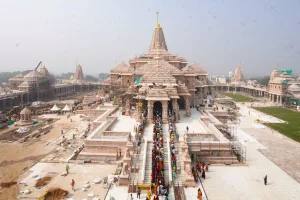
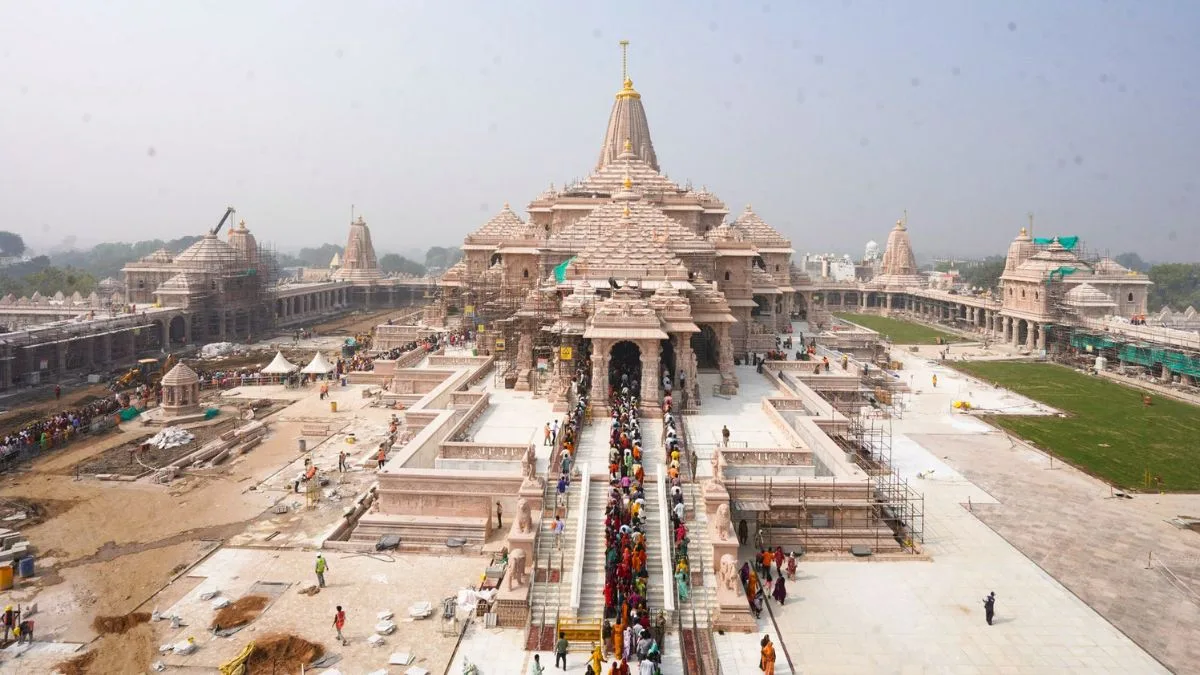
The prestigious temple is situated on the Arabian Sea coast at Prabhas Patan in Gujarat’s Saurashtra region and is considered among India’s most revered pilgrimage destinations, occupying a central place in Hindu religious tradition.




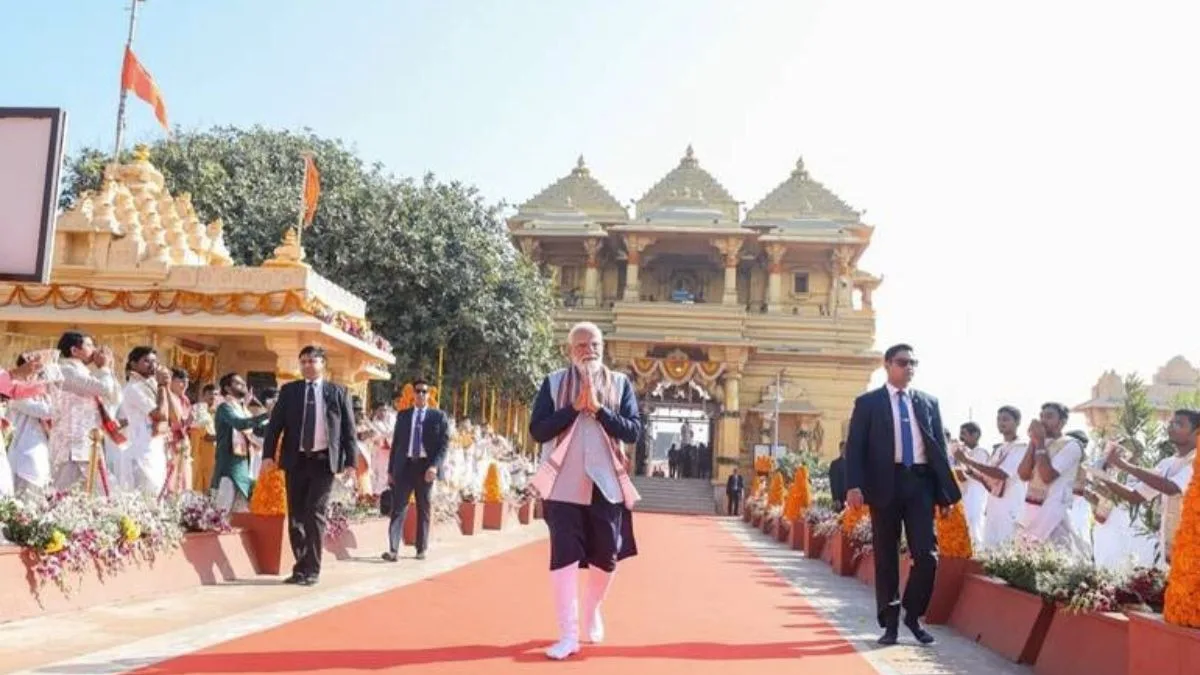
PM Modi to witness first-ever 'Kumbhabhishekam' at Somnath as shrine marks 75 years of re-consecration
Somnath Temple, which holds a sacred place as the first among the 12 Jyotirlingas of Lord Shiva, is all set to mark 75 years since its reopening in independent India. Prime Minister Narendra Modi will visit the shrine on Monday, May 11, as part of the ‘Somnath Amrut Mahotsav’ commemorations.
The major event coincides with two milestones linked to the temple’s rich history — 1,000 years since the first recorded attack on Somnath in 1026 as well as the 75th anniversary of its ceremonial reopening on May 11, 1951. At that time, India’s first President, Dr Rajendra Prasad, dedicated the reconstructed temple to the nation.
Advertisement
The prestigious temple is situated on the Arabian Sea coast at Prabhas Patan in Gujarat’s Saurashtra region and is considered among India’s most revered pilgrimage destinations, occupying a central place in Hindu religious tradition.
Advertisement
The temple is mentioned in the Shiva Purana and is associated with the worship of Lord Shiva, Lord Krishna and Shakti traditions.
Notably, the Dwadasha Jyotirlinga Stotram places Somnath first among the 12 Jyotirlingas, highlighting its major significance in India’s spiritual and civilisational heritage.
Over the past several years, the temple has been identified with religious devotion as well as repeated cycles of destruction and reconstruction.
The temple’s most turbulent period is believed to have started in January 1026, when it faced its first recorded attack by invading forces, as per historical accounts and traditional narratives. It was repeatedly attacked and rebuilt between the 11th and 18th centuries.
Every time the temple was destroyed, devotees and kings came forward to rebuild it. Prominent among these were King Kumarapala in the 12th century, the ruler of Junagadh in the 13th century and later by the Maratha queen of Indore, Ahilyabai Holkar, in the 18th century.
The temple’s modern reconstruction began after Independence, when Deputy Prime Minister Sardar Vallabhbhai Patel visited the ruins in 1947.
The temple has been constructed in the Kailash Mahameru Prasad architectural style and was consecrated on May 11, 1951.
According to officials, the Somnath Swabhiman Parv is aimed at reflecting both destruction faced by the temple along with its repeated revival over centuries.
Prime Minister Modi also serves as chairman of the Somnath Trust. During his visit, he is expected to participate in ceremonies marking the anniversary.
Prior to his visit, PM Modi described Somnath as a “symbol of India’s unconquerable spirit” and referred to its journey “from ruin to renewal”. Further, he spoke about the “Vikas Bhi, Virasat Bhi” approach, linking development with heritage preservation, and announced special pujas at the temple for the next 1,000 days in honour of Somnath’s history.
Earlier this year, Prime Minister Modi even participated in the Somnath Swabhiman Parv celebrations on January 10 and 11. The programme included a 72-hour Omkar mantra chanting ceremony, rituals and prayers for national welfare and a Shaurya Yatra at Prabhas Patan featuring a symbolic procession of 108 horses in tribute to warriors associated with the defence of Somnath through the centuries.
Advertisement