As the second phase of the Budget Session resumes on Monday (March 9, the Lok Sabha is bracing for what could be one of the most intense confrontations in recent parliamentary history.
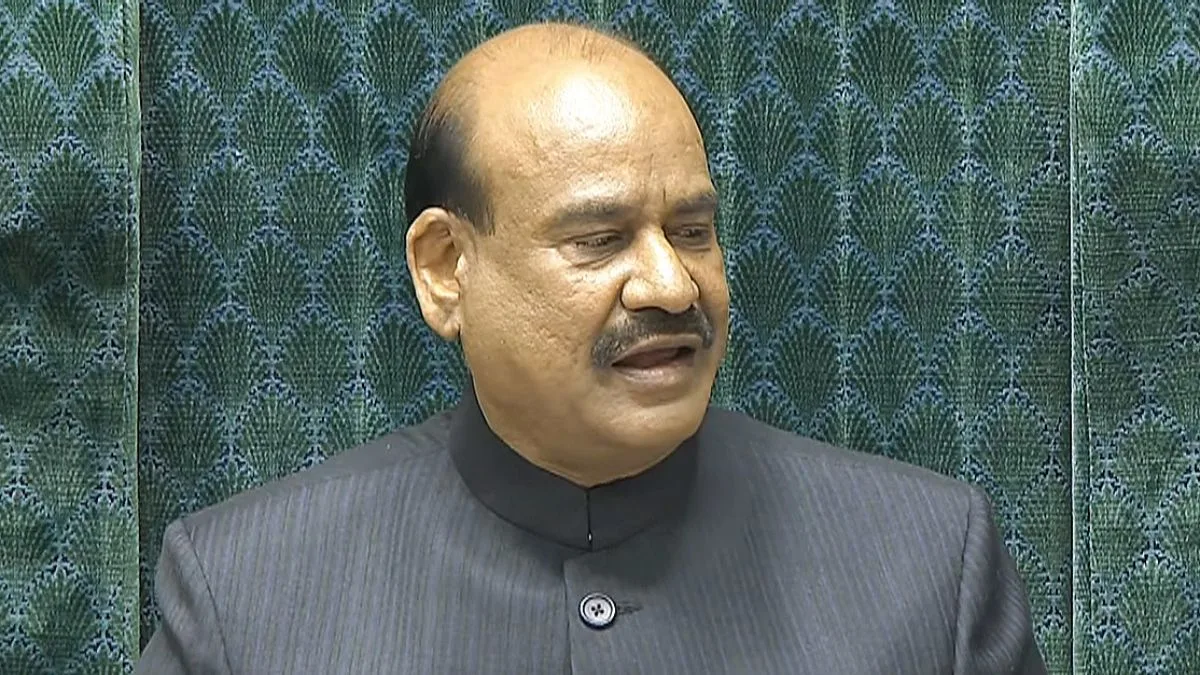
Opposition parties have formally moved a no-confidence motion against Lok Sabha Speaker Om Birla, accusing him of abandoning the neutrality expected of the Chair and acting in ways “calculated to undermine the rights of members of the House.”
Advertisement
Signed by at least 118 MPs across multiple parties, including the Indian National Congress, Samajwadi Party, Dravida Munnetra Kazhagam, and Rashtriya Janata Dal—with backing from the All India Trinamool Congress—the motion sets the stage for an extraordinary parliamentary episode.
If admitted for debate, it would mark a rare instance where the House considers the removal of its own Speaker, an occurrence seldom witnessed in independent India.
The notice alleges that Birla failed to maintain the “impartial attitude necessary to command the confidence of all sections of the House,” citing repeated instances in which opposition leaders were denied opportunities to speak.
Most notably, during the Motion of Thanks to the President’s Address, Rahul Gandhi was barred from quoting excerpts from an unpublished memoir of former Army chief M. M. Naravane, which the opposition says exemplifies “blatant discrimination” and an approach that “openly espouses the version of the ruling party on controversial matters.”
The motion also raises concerns over alleged “unwarranted allegations” made against women MPs from opposition benches and the perceived failure of the Chair to protect members from derogatory remarks.
Another grievance cited is the suspension of eight opposition MPs during the first phase of the Budget Session, held from January 28 to February 13.
Opposition leaders argue the suspensions were disproportionate and imposed simply for raising issues of public concern, adding that the Speaker’s rulings “undermined the functioning of the House as a forum to ventilate the grievances of the people,” a senior opposition MP said.
Tensions escalated during the Motion of Thanks debate when repeated disruptions led to suspensions and the unusual passage of the motion by voice vote without the customary reply from Prime Minister Narendra Modi.
Following the submission of the no-confidence notice, Birla decided to step aside from presiding over House proceedings until the matter is resolved—a move described by Lok Sabha officials as being on “moral grounds,” even though past Speakers have continued attending sessions in similar circumstances.
Under constitutional provisions, Birla will have the right to defend himself during the debate, although he will not preside over the proceedings. The resolution requires a simple majority of the effective Lok Sabha membership for adoption.
With the ruling Bharatiya Janata Party and its allies holding a majority, the motion is unlikely to succeed numerically, yet its political and symbolic significance is considerable.
The session, scheduled to run until April 2, is expected to cover debates on the Union Budget 2026–27 presented by Finance Minister Nirmala Sitharaman and to push forward key legislative proposals related to economic and administrative reforms.
However, the confrontation over the Speaker’s conduct threatens to overshadow routine business and further deepen the trust deficit between the government and the opposition.
Both sides have issued three-line whips, directing MPs from the BJP and Congress to remain present in the House from March 9 to 11 in anticipation of key debates and votes.
Beyond domestic political developments, the session is also expected to address India’s diplomatic posture amid escalating tensions in West Asia involving the United States, Israel, and Iran.
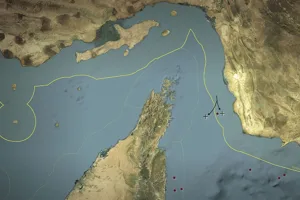
The government has emphasized restraint and dialogue, highlighting the importance of stability for global energy markets and the safety of millions of Indian expatriates in the Gulf. Disruptions to vital maritime routes such as the Strait of Hormuz could affect India’s energy security and trade.
Political maneuvering is intensifying outside Parliament as well, with biennial Rajya Sabha elections scheduled for March 16 to fill 37 seats across 10 states, potentially altering the balance in the Upper House and influencing the passage of legislation.
The confrontation over the Speaker’s conduct comes at a time when Parliament faces procedural, political, and geopolitical pressures. While the ruling alliance sees the opposition’s move as a tactical attempt to stall legislative work, the opposition frames it as a necessary defense of parliamentary norms.
“The Speaker must be above party lines,” an opposition leader said. “If the Chair loses the confidence of a significant section of the House, the institution itself suffers.”
The debate over Birla’s conduct may therefore be less about vote arithmetic and more about the health of India’s parliamentary democracy, testing the resilience of the Speaker’s office as a symbol of neutrality and institutional balance in the nation’s legislative system.