Emphasising the need for strengthening vigilance administration with a focus on the adoption of ‘Preventive Vigilance’, it was pointed out on Thursday that the departments themselves must take the lead in identifying vulnerable areas and addressing risks before they materialise. All department heads and Collectors in Odisha have been directed to take steps to check corruption at different levels to identify sensitive areas and prepare short- and long-term action plans.
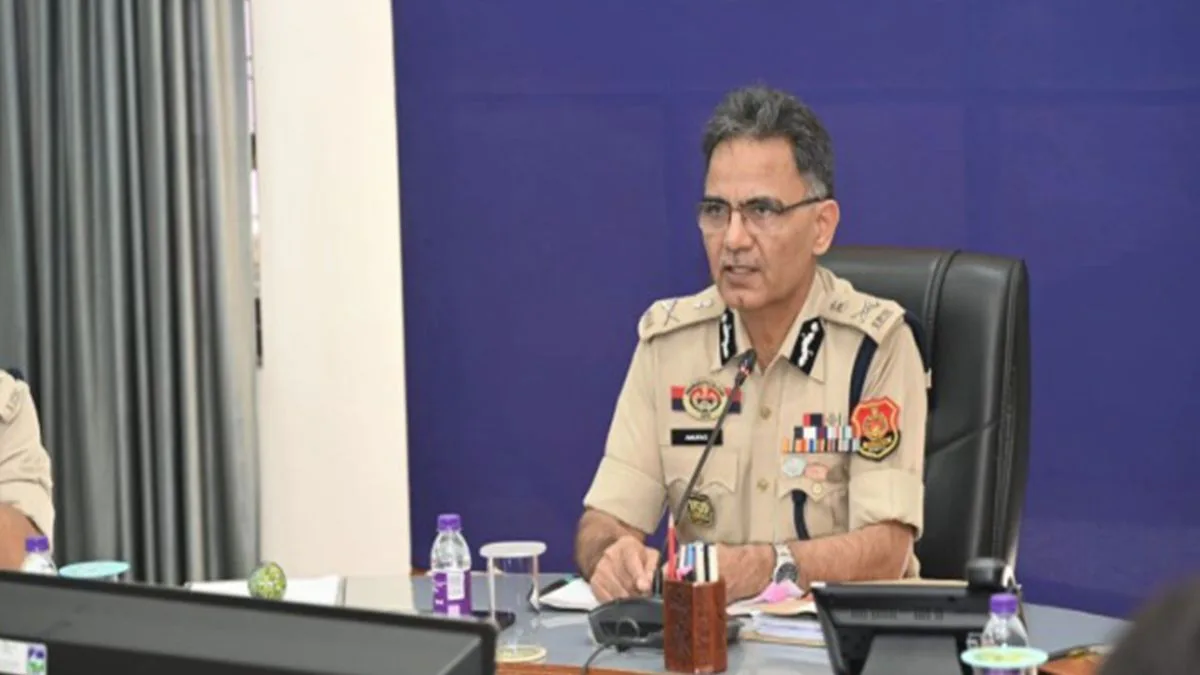
In a letter addressed to all Additional Chief Secretaries, all Principal Secretaries, Director General, Vigilance Directorate, Secretaries of all departments, Revenue Divisional Commissioners and Collectors, Chief Secretary Manoj Ahuja has stated that the State Government is committed to clean, transparent, and citizen-centric governance.
Advertisement
The Odisha Chief Secretary stressed that mere punitive action is not sufficient; root causes of corruption must be systematically eliminated through administrative, legal, social, economic, and educational measures.
As emphasised by the Santhanam Committee, departments themselves must take the lead in identifying vulnerable areas and addressing risks before they materialise. Preventive vigilance addresses issues such as excessive regulation, discretionary powers, and monopolies in service delivery; weak grievance redressal; poor detection systems; and low public awareness, Ahuja said.
In this context, all heads of departments and collectors have been directed to take the following immediate steps to check corruption at different levels by constituting an Internal Vigilance Committee to identify sensitive areas and prepare short- and long-term action plans.
Besides, they have been asked to adopt and scale up technology-driven reforms such as EoDB, WAMIS, e-tendering, e-procurement, Work Passbook, DBT for fund transfer, and online HR management systems.
Focus is laid on enforcing transparent human resource practices, including staff rotation, fair and transparent online transfers, and exclusion of officials of doubtful integrity from sensitive roles, and institutionalising a culture of zero tolerance towards corruption by periodic review, open discussions among senior officers, and structured monitoring of feedback.