Nearly four in every 10 women enrolled under the Mukhyamantri Majhi Ladki Bahin Yojana in Maharashtra have been removed from the flagship scheme after a state-wide verification exercise.
A review of the government records by The Indian Express shows that more than 92 lakh beneficiaries were removed from the scheme. This is far more than the nearly 80 lakh deletions publicly disclosed by Devendra Fadnavis-led government so far.
Advertisement
Overall, it has come out to light that about 62 lakh beneficiaries failed to complete the mandatory electronic Know Your Customer (eKYC), while others have been found to be ineligible since they exceeded the scheme’s income ceiling or were above the age limit. In several cases, the beneficiaries were found to be government employees or were already receiving benefits under other welfare schemes. Interestingly, in nearly 29,000 cases, they were men.
Notably, the state government provides provides ₹1,500 every month to women aged 21 to 65 years from families having the annual income below ₹2.5 lakh. Among those excluded from this scheme include government employees, income tax payers and beneficiaries of other welfare schemes.
As per officials associated with the exercise, it has been estimated that the beneficiaries had collectively received about ₹14,000 crore before the payments were stopped.
The budget allocations and supplementary provisions for the flagship scheme have crossed ₹60,000 crore since its was introduced ahead of the 2024 Assembly elections in Maharashtra.
As of now, it covers more than 1.5 crore women, down from about 2.43 crore beneficiaries before the verification exercise that started in September 2025.
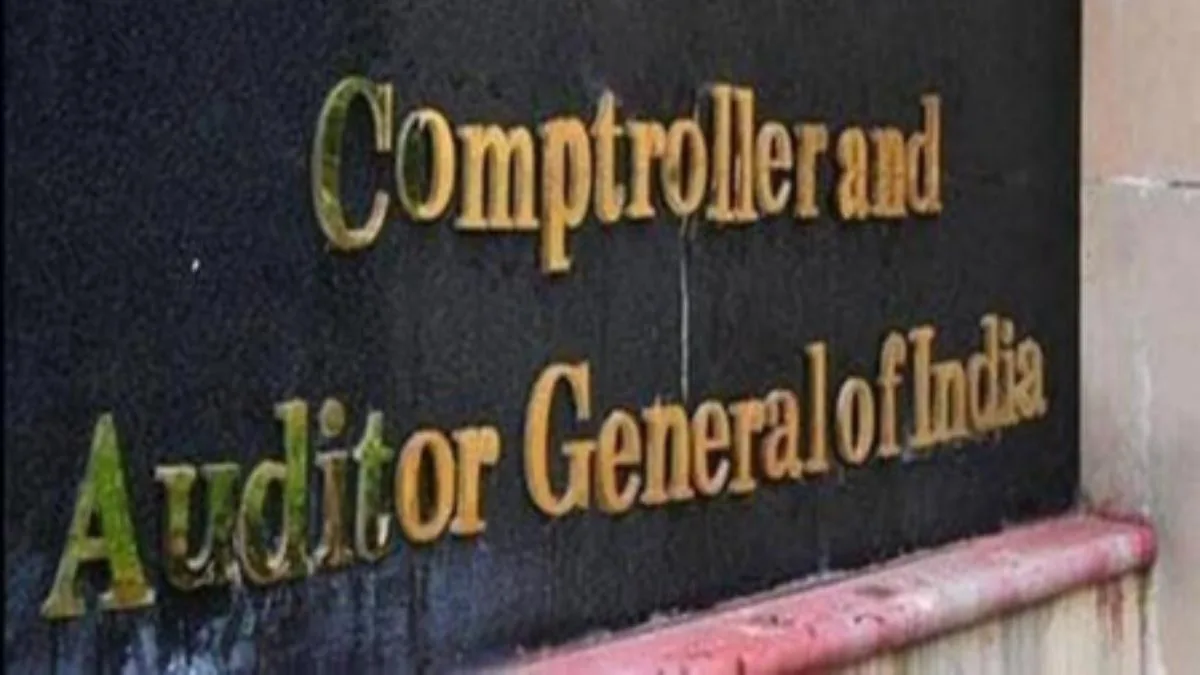
This comes at time when the Comptroller and Auditor General (CAG) has raised serious questions over the financial management of the scheme. It has flagged “significant deficiencies in budget estimation, expenditure control and financial management” its audit of the state’s finances for 2024-25.
The CAG highlights excess expenditure of nearly ₹3,541 crore without specific justification.
Overall, about 62 lakh beneficiaries – or 67 per cent – have been removed as they failed to complete the mandatory eKYC authentication. Nearly 16 lakh, or 17 per cent, were removed since they belonged to families whose annual income exceeded the scheme’s eligibility ceiling.
Also, about 4.42 lakh (4.8 per cent) of the beneficiaries have declared during verification that they or a family member were government employees and nearly 3.6 lakh, or 3.9 per cent, were already found to be receiving assistance under the Sanjay Gandhi Niradhar Yojana.
Moreover, about 2.5 lakh (2.7 per cent) had over two members of the same family receiving benefits, while about 1.8 lakh (2 per cent) were above the upper age limit of 65 years.
Further, about 1.7 lakh (1.8 per cent) beneficiaries were flagged during district-level verification and about 29,000 men and nearly 8,000 government employees were receiving benefits despite being ineligible.
“The scheme was launched in June 2024 and the first two instalments were released together in August 2024. After that there were Assembly elections in November 2024 and the Model Code of Conduct came into force before October, because of which the eKYC exercise could not be started earlier. We decided on the exercise in August 2025 after the new government came in place and repeatedly announced that payments of beneficiaries who did not complete eKYC would be stopped,” The Indian Express quoted Women and Child Development Minister Aditi Tatkare as saying.
She highlighted that the beneficiaries of the scheme were provided time, including extensions till December 31, 2025, to complete the mandatory eKYC process.