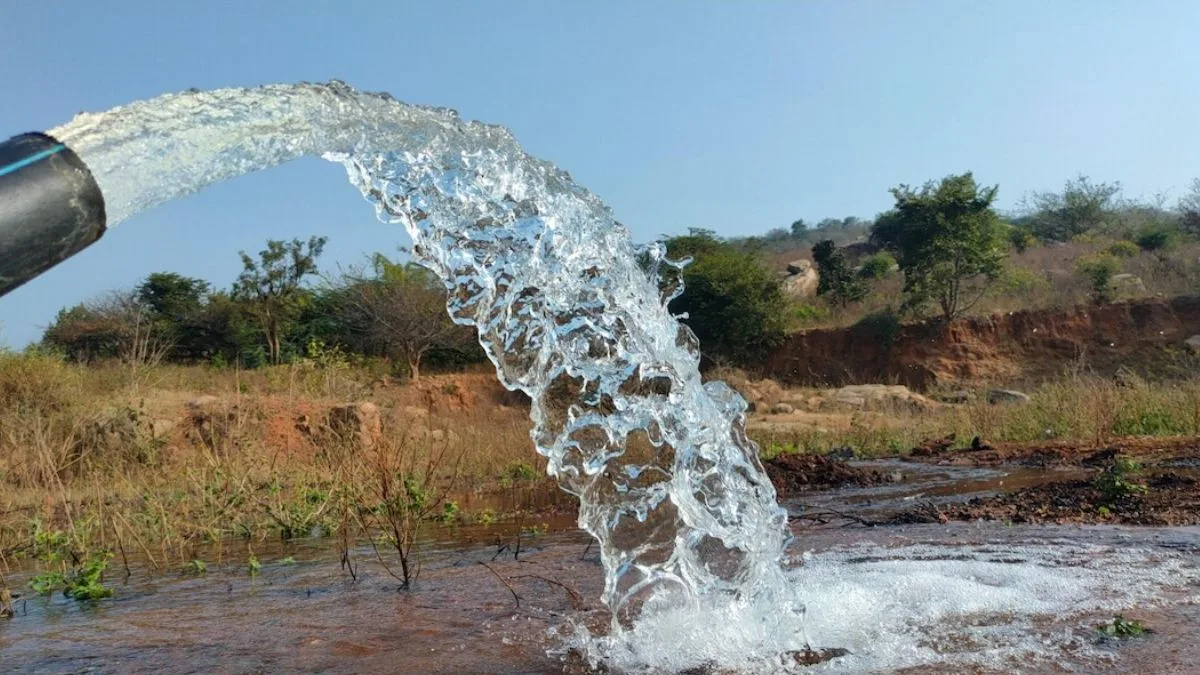
The mountainous region of Jammu and Kashmir is grappling with a severe electricity crisis as hydroelectric power generation has plunged due to low river discharge, triggered by a 26 percent rainfall deficit and scant snowfall during the winter season.
Many parts of the Jammu region witnessed more than 4 hours power cut last mid-night due to low generation by the hydroelectric projects that were facing less discharge in rivers.
Power supply in several areas went off around 11.30 pm and was restored about 4:10 am, inconveniencing consumers amid the heightened temperatures. This indicates that Jammu and Kashmir (J&K), whose politicians boast of turning the UT into a power generation hub for North India, is facing a power crisis this summer.
Advertisement
Jammu region witnessed widespread power outages during the intervening night after reduced discharge in rivers led to a decline in hydroelectric power generation, severely impacting electricity supply across several areas.
The Jammu Power Distribution Corporation Limited (JPDCL) informed consumers through an official post on X that the fall in river discharge has affected power generation at a time when demand for electricity remains high, resulting in disruptions in many parts of Jammu.
According to JPDCL, efforts are underway to procure additional power to manage the crisis and restore normal supply. The power utility also appealed to consumers to use electricity judiciously to help reduce the load on the system during the ongoing shortage.
“Lower discharge in rivers reduced power generation affecting power demand causing outages in many Jammu areas last night. Efforts are made to procure power to tide over the crisis. Consumers are requested to use power judiciously. Inconvenience regretted,” JPDCL said in its statement.
The outages triggered inconvenience for residents in several localities, particularly during the night hours, amid rising temperatures in the region. Consumers have urged authorities to ensure better power management and timely restoration of supply to avoid prolonged disruptions.
According to data from the Indian Meteorological Department (IMD), only three out of Jammu and Kashmir’s 20 districts recorded rainfall within the normal range during the past three months. The normal rainfall in J&K between 1 March to 13 May is 288.1 mm but against this the UT received 213.4 mm seasonal rainfall. This was 26% less than the average.
The Kishtwar, Doda, Ramban and Reasi districts where most hydroelectric projects are located received deficit rainfall of 36%, 26%, 27% and 16% respectively this season.
The three districts that received surplus rain are Poonch 40%, Rajouri 12% and Samba 53%.
The highest deficit rain, 72%, was recorded in south Kashmir’s Shopian.