Punjab govt rolls out VB-G RAM G to strengthen rural employment guarantee
The Minister said that while MGNREGA remained operational till June 30, 2026, the VB G RAM G scheme came into effect from July 1.
Drawing a comparison between the two frameworks, Bhattacharya pointed out that the proposed Bill shifts a greater share of responsibility to the states, while reducing the Centre’s financial and administrative accountability





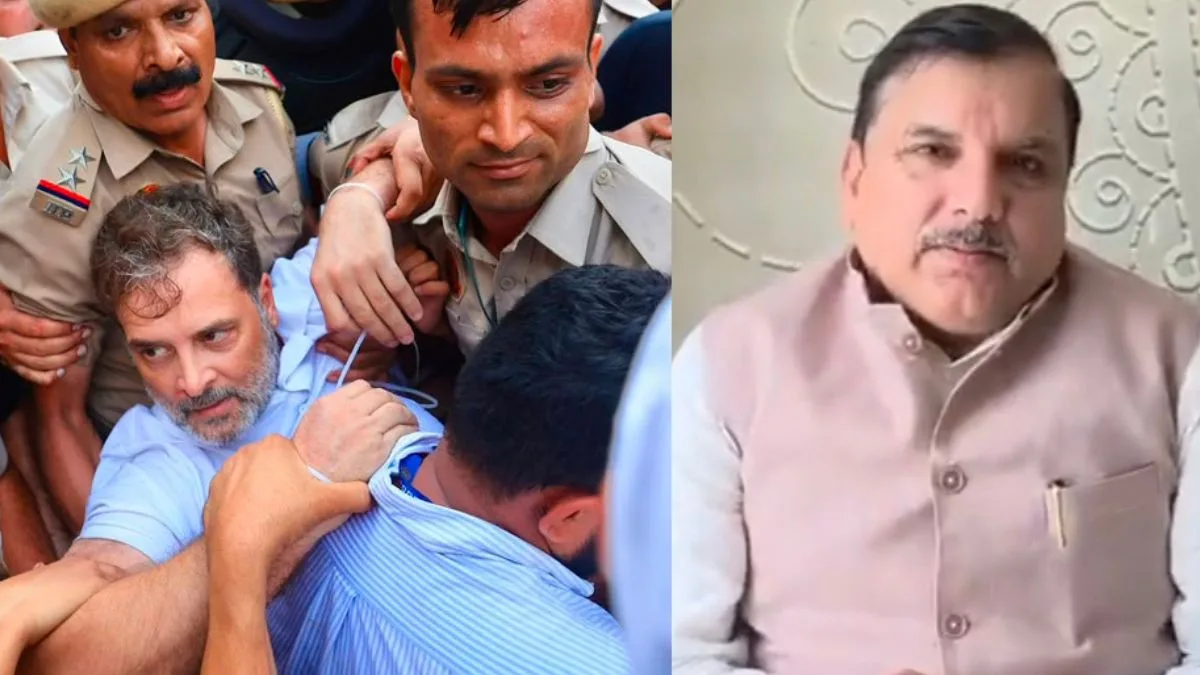
Photo: X/@Supriyo__JMM
The Jharkhand Mukti Morcha (JMM) on Wednesday expressed concern over the proposed VB-GRAM Bill, 2025, warning that it could weaken the statutory guarantees provided under the Mahatma Gandhi National Rural Employment Guarantee Act (MGNREGA), 2005, and adversely impact rural livelihoods.
Party’s central general secretary and spokesperson Supriyo Bhattacharya said MGNREGA was enacted as a rights-based legislation, assuring 100 days of wage employment to rural households along with provisions for unemployment allowance, timely wage payments and mandatory social audits. The proposed VB-GRAM framework, he said, appeared to replace this legal entitlement with a scheme-based approach dependent on budgetary discretion.
Advertisement
Drawing a comparison between the two frameworks, Bhattacharya pointed out that the proposed Bill shifts a greater share of responsibility to the states, while reducing the Centre’s financial and administrative accountability. Such a move, he cautioned, could place additional fiscal stress on poorer states and affect the timely payment of wages.
Advertisement
He further noted that MGNREGA places strong emphasis on community participation through gram sabhas and social audits, ensuring transparency and local oversight. The proposed framework, however, appears more centralised, with increased reliance on digital monitoring mechanisms and limited scope for grassroots scrutiny.
Highlighting Jharkhand’s dependence on MGNREGA for rural employment, particularly among tribal and marginalised communities, Bhattacharya warned that any dilution of guaranteed employment could intensify distress migration and deepen rural poverty.
The party urged the Centre to reconsider the proposed legislation and hold wider consultations with states, workers’ organisations and civil society before proceeding further, maintaining that reforms in rural employment policy should strengthen, not dilute, the core principles of job security, transparency and social justice.
Advertisement