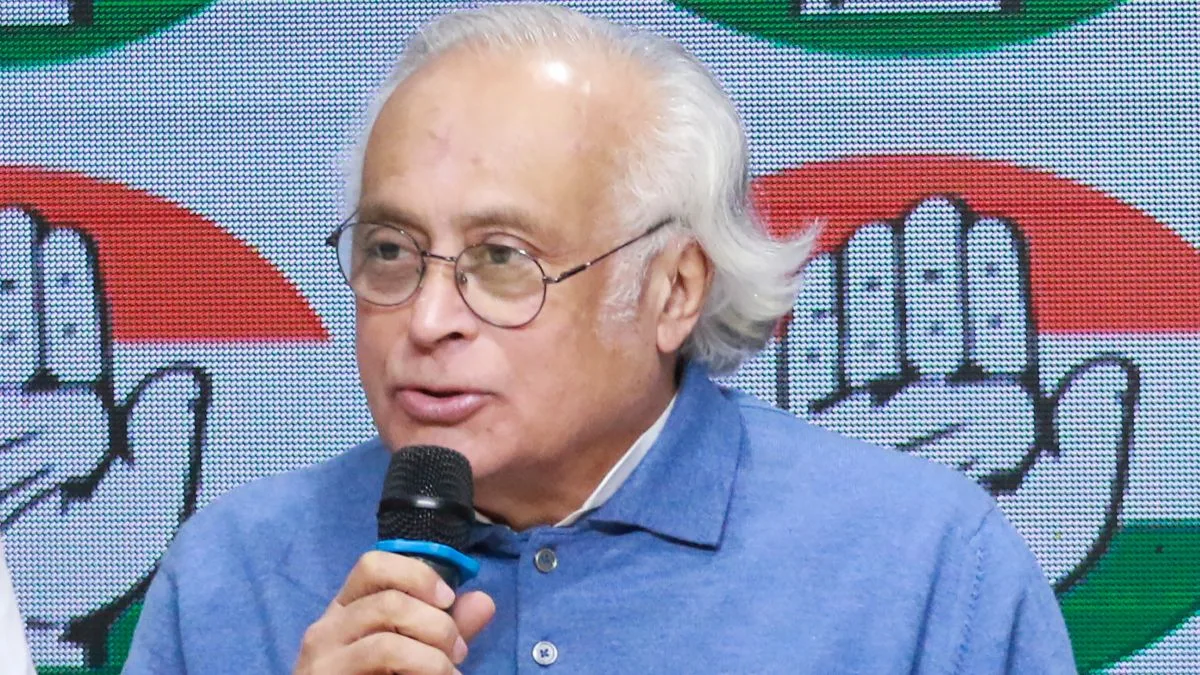
Congress leader Jairam Ramesh on Tuesday voiced concern over the future of the Great Nicobar Biosphere Reserve, alleging that the Centre’s ambitious Great Nicobar Island Project threatens one of India’s internationally recognised ecological regions.
In a post on social media platform X, Ramesh said India rightfully takes pride in its UNESCO World Heritage Sites but argued that the country’s UNESCO-recognised Biosphere Reserves deserve equal attention because of their role in preserving ecological and cultural diversity.
Advertisement
“We take great pride in the UNESCO World Heritage Sites in India – and rightly so. But what about the UNESCO World Network of Biosphere Reserves which are equally prestigious? Their objective is to preserve ecological and cultural diversity,” he said.
The senior Congress leader noted that India has 18 designated Biosphere Reserves, of which 13 are internationally recognised and included in the UNESCO World Network of Biosphere Reserves.
He said the Great Nicobar Biosphere Reserve, which was added to the network in 2013, is now “hugely endangered” because of the “ill-conceived, commercially-driven Great Nicobar Island Project being bulldozed through by the Modi Govt.”
The proposed Great Nicobar Island Project includes the development of a transshipment port, an international airport, a township and power infrastructure aimed at turning the strategically located island into a major economic and logistics hub.
However, the project has attracted criticism from environmentalists and opposition parties, who warn that large-scale construction activity could damage the fragile ecosystem, biodiversity and indigenous communities of the island.
Located in the Andaman and Nicobar archipelago, the Great Nicobar Biosphere Reserve is known for its tropical forests, diverse wildlife and rich marine ecosystem. UNESCO’s Man and the Biosphere Programme recognises such reserves for promoting conservation alongside sustainable development.
Ramesh has repeatedly criticised the government over environmental clearances and has often raised concerns regarding the ecological impact of large infrastructure projects in environmentally sensitive regions.