What began as a student’s attempt to understand the evaluation of his examination paper has evolved into a national discussion on transparency, accountability and public procurement in India’s education system.
Seventeen-year-old Ranchi student Sarthak Siddhant has emerged as the face of the controversy surrounding the Central Board of Secondary Education’s (CBSE) On-Screen Marking (OSM) system after his independent examination of tender documents and evaluation procedures drew the attention of policymakers, parliamentarians and education stakeholders.
Advertisement
Siddhant’s journey reportedly began after he obtained a scanned copy of his answer sheet and sought re-evaluation. Unsatisfied with the explanations available to him, he started examining the OSM system in greater detail. His research eventually expanded beyond the evaluation process to include an analysis of CBSE tender documents related to the implementation of the digital marking system.
Over several months, Siddhant documented what he described as discrepancies between different versions of tender documents issued by the board. Through social media posts and a detailed blog, he alleged that certain eligibility conditions and qualification criteria had been altered in successive tenders.
According to Siddhant, these changes included modifications in provisions relating to poor performance records, blacklisting norms, financial eligibility requirements, capability maturity criteria and project qualification conditions. He has argued that the changes warrant closer examination to ensure transparency in the procurement process.
The issue gained national prominence on Tuesday when Siddhant appeared before the Parliamentary Standing Committee on Education, Women, Children, Youth and Sports at the Parliament House Annexe in New Delhi. The committee is reviewing concerns related to the implementation of the OSM system and issues raised by students regarding evaluation and transparency.
During his presentation before the committee, Siddhant highlighted what he described as multiple discrepancies across tender documents and outlined his concerns regarding the evolution of the procurement process.
Speaking after the proceedings, he expressed hope that the debate would encourage greater transparency in both educational evaluation systems and public procurement practices.
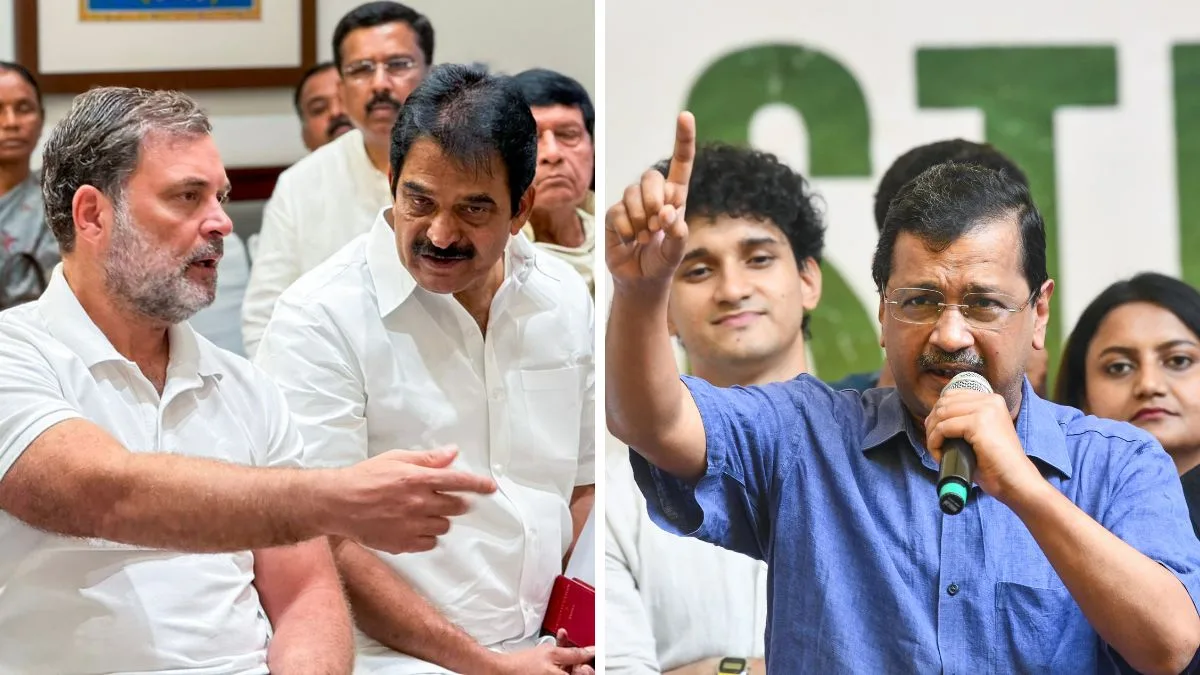
The controversy has also attracted political attention. Leader of the Opposition Rahul Gandhi met Siddhant in New Delhi on Tuesday and later shared a message on social media encouraging the student to remain committed to his principles.
The developments come amid increased scrutiny of the OSM system. The Union government has ordered an inquiry into the procurement process linked to the system and initiated changes in the CBSE’s top administrative leadership.
CBSE and the service provider associated with the OSM process have denied allegations of wrongdoing. The board has, however, acknowledged certain issues relating to the marking system and has initiated corrective measures.
Back in Ranchi, Siddhant’s efforts have drawn attention from students, parents and education observers, many of whom see the episode as an example of how individual initiative can contribute to public debate on institutional accountability.
Regardless of the eventual outcome of the inquiry, the Ranchi teenager’s pursuit of answers has transformed a personal concern into a national conversation about transparency, technology-driven evaluation and governance in one of the country’s most important educational institutions.