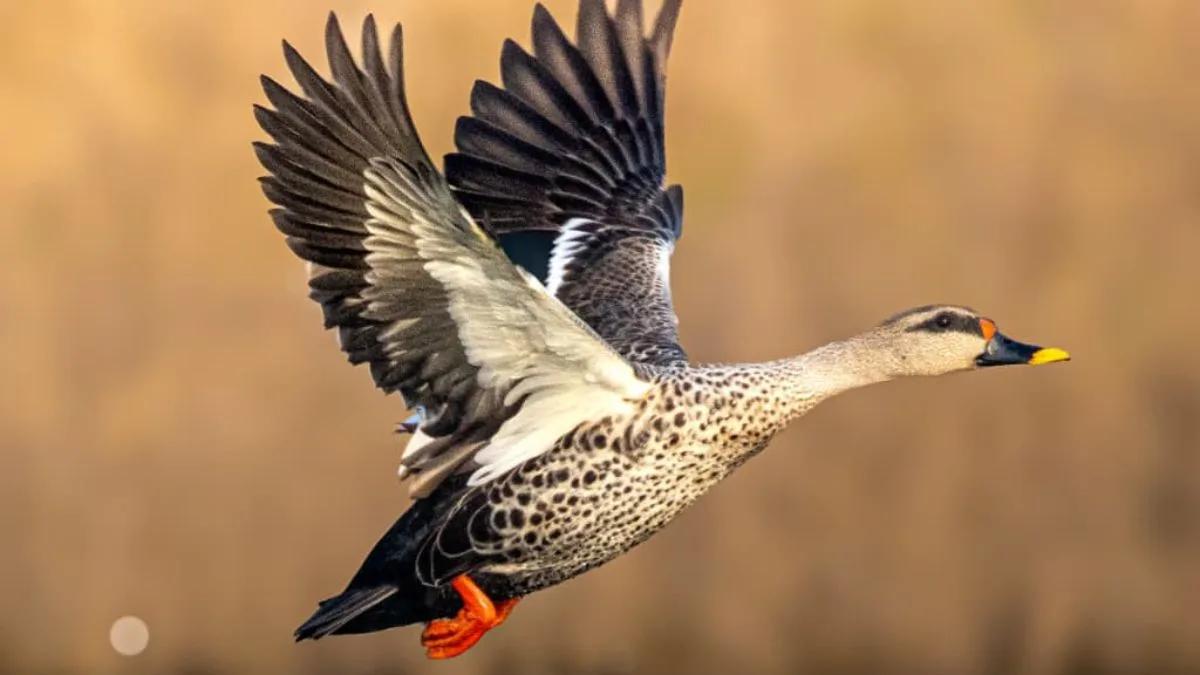
India has reaffirmed its commitment to protecting migratory species while highlighting progress on the Central Asian Flyway (CAF) initiative at the ongoing 15th Conference of the Parties (COP15) to the Convention on the Conservation of Migratory Species of Wild Animals (CMS) in Campo Grande, Brazil, the Environment Ministry said on Tuesday.
Held near Pantanal — the world’s largest tropical wetland, increasingly threatened by drought, wildfires and land-use change — the meeting came amid increasing concern over the state of migratory wildlife.
Advertisement
According to the State of the World’s Migratory Species: Interim Report nearly half (49%) of CMS-listed species are experiencing population declines and almost one in four faces the risk of extinction.
Advertisement
Two years ago this number was 44 %.
Key drivers of the decline include habitat loss, overexploitation, pollution, climate change, invasive species and disease outbreaks such as avian influenza. It is against this sombre backdrop that India is spearheading the CAF initiative — a transboundary effort spanning 30 countries to secure migratory bird routes from the Arctic to the Indian Ocean.
The initiative was formally endorsed at CMS COP14 at Samarkand through a resolution led by India with an objective to help improve the conservation status of priority threatened species such as the Siberian crane and the sociable lapwing through coordinated international action.
One of the steps is the operationalisation of the CAF Secretariat to facilitate data sharing, coordinate conservation strategies, and support responses to emerging threats such as disease outbreaks and illegal hunting.
Member countries plan to identify and protect critical stopover sites—wetlands and grasslands that provide essential resting and feeding grounds for migratory birds along their routes.
Participating countries are also working toward adopting bird-safe guidelines for power lines and energy projects to reduce mortality from collisions and electrocution.
In India, several high-priority sites have already been mapped, with additional areas under consideration for conservation measures, say officials
By linking conservation with sustainable livelihoods — such as eco-tourism and responsible resource use — the programme aims to also benefit local communities.
Advertisement