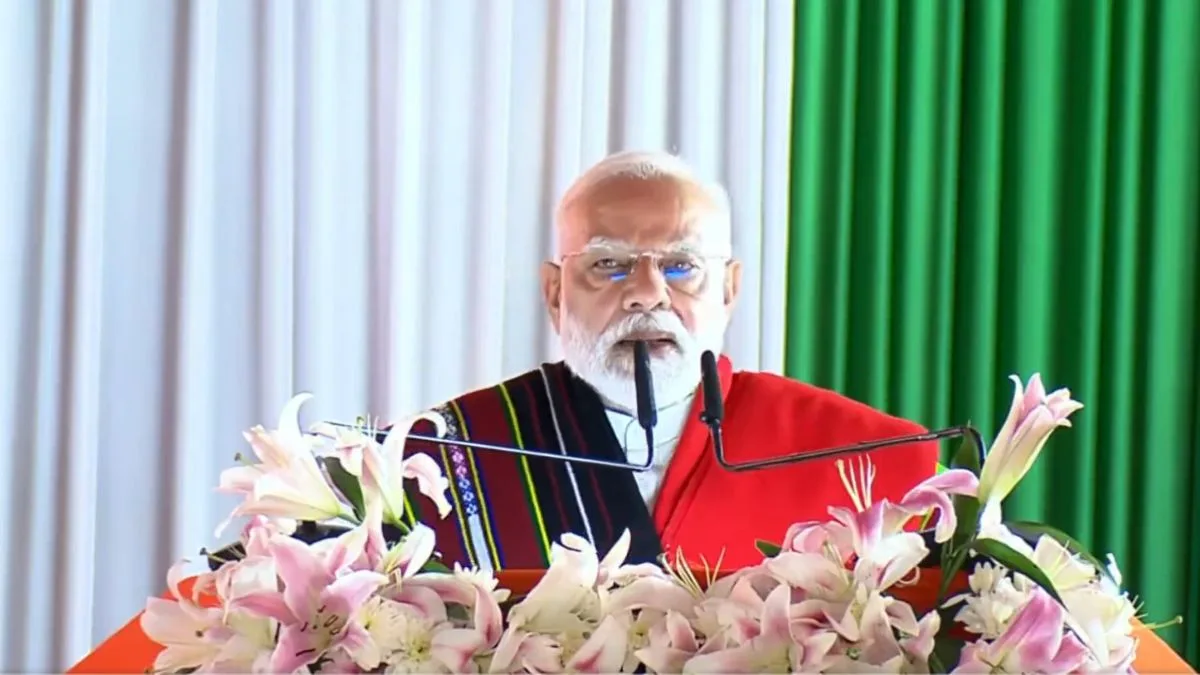
Prime Minister Narendra Modi’s recent GST reforms can be seen as a calculated attempt to appeal to the middle class and the neo-middle class—demographics that have played a crucial role in shaping India’s growth story. The reforms aim to simplify the tax structure, reduce burdens, and boost consumption.
The GST framework has been streamlined into two primary slabs: 5 per cent and 18 per cent, with a 40 per cent demerit rate for luxury and sin goods. When combined with recent income tax exemptions, the reforms are expected to save citizens over ₹2.5 lakh crore annually.
Advertisement
Essential and lifestyle items such as groceries, medicines, televisions, refrigerators, and hotel stays will become more affordable. This is particularly significant for the neo-middle class, a group of nearly 25 crore people who have emerged from poverty in the past decade.
With rising aspirations for a better lifestyle, this segment is increasingly willing to spend more on products and services.
Tech-savvy and highly sensitive to changes in GST and household budgets, the neo-middle class represents a critical voter bloc. Providing relief to this group could stimulate economic growth and expand consumption.
However, challenges remain. Inflationary pressures continue to squeeze both the middle class and the poor, potentially offsetting the benefits of the GST reforms.
Rising unemployment and growing discontent add to the government’s concerns. Externally, U.S. tariff impositions and hikes in H1B visa fees could affect India’s economic momentum and test the government’s ability to deliver on its promises.
Meanwhile, flagship policies such as Make in India risk being perceived as tokenistic or pseudo-nationalistic, which could undermine their effectiveness.
Overall, while the GST reforms mark a strategic move by PM Modi to consolidate support among the middle class and neo-middle class, the government must navigate significant economic and political headwinds ahead.