The Congress party on Tuesday criticized the government’s handling of the Great Nicobar Mega Infrastructure Project, questioning the secrecy surrounding a panel’s report submitted to the National Green Tribunal. The panel, set up by the Ministry of Environment, Forests, and Climate Change, was tasked with revisiting the environmental clearance given to the project.
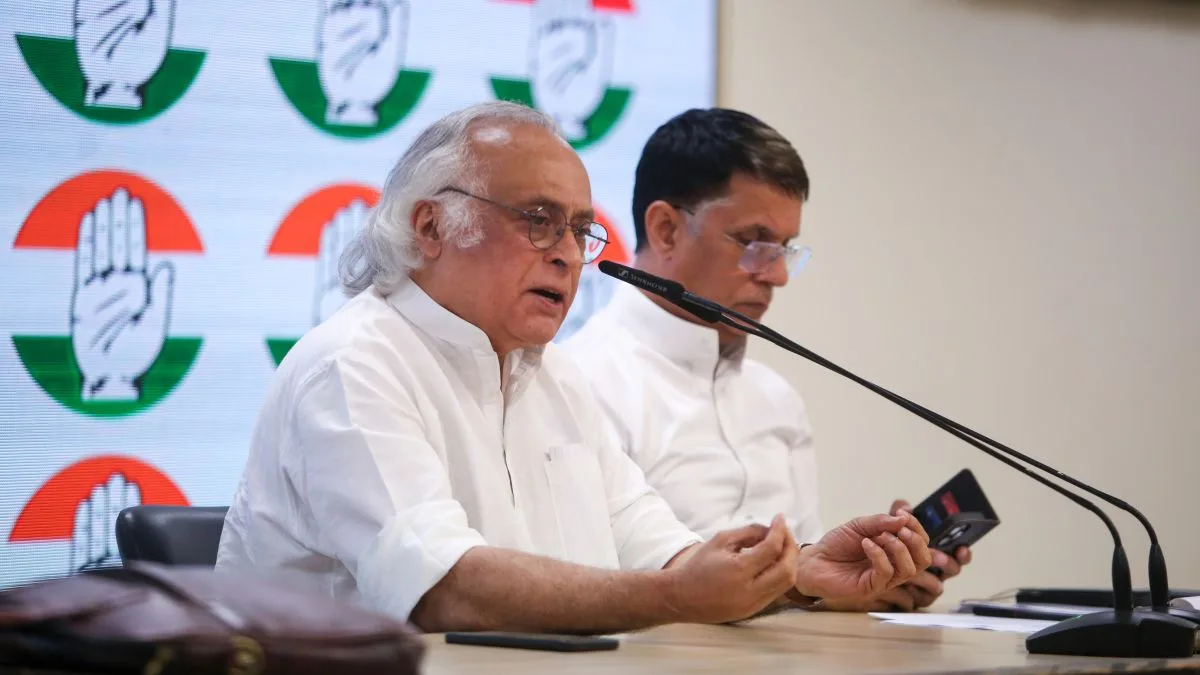
Congress leader Jairam Ramesh expressed his concerns on handle X, saying, “A report of a panel set up by the Ministry of Environment, Forests, and Climate Change to revisit the environmental clearance given to the Great Nicobar Mega Infrastructure Project has just submitted its report to the National Green Tribunal.”
Advertisement
“The project is a recipe for ecological and humanitarian disaster. Why has the panel’s report been submitted in a ‘sealed cover’? Why this level of secrecy,” Ramesh questioned.
Ramesh has been vocal about the project’s potential impact on the environment and local communities. He emphasized that the project’s design “endangers ecology” in a “needlessly unacceptable manner”. The estimated cost of the project is around Rs 72,000 crore, and it aims to transform the Andaman and Nicobar Islands into a maritime, trade, and tourism hub.
The project has raised concerns about deforestation, with estimates suggesting that between 32 lakh and 58 lakh trees may be destroyed, far exceeding the government’s claim of 8.5 lakh trees.
Ramesh called for the project to be paused and reviewed, stating, “The only sensible way forward is for this disaster of a project to be paused and reviewed thoroughly by an independent and professionally competent team.”
Ramesh also highlighted the potential impact on the Shompen tribe, an indigenous community classified as a Particularly Vulnerable Tribal Group. He argued that the project violates the Forest Rights Act, 2006, which empowers the Shompen as the sole authority to manage the tribal reserve. The project’s approval process has been criticized for sidestepping legal provisions designed to protect tribal communities.
The government’s decision to submit the panel’s report in a sealed cover has sparked concerns about transparency and accountability. As the debate surrounding the Great Nicobar project continues, it remains to be seen how the government will address these concerns and ensure the protection of the environment and local communities.