The Supreme Court on Wednesday observed that the Election Commission of India’s (ECI) move to expand the list of documents acceptable as proof of citizenship from seven to eleven for the Bihar Special Intensive Revision (SIR) makes the process more voter-friendly.
A Bench of Justice Surya Kant and Justice Joymalya Bagchi said asking for only one document would be anti-voter, but allowing multiple options benefits electors. “They have expanded the number of documents… it is now 11 instead of 7 by which you can identify yourself as a citizen,” Justice Bagchi noted.
Advertisement
Senior advocate Abhishek Manu Singhvi, however, criticised the list, calling it “nothing but a house of cards,” arguing that several of the new documents—such as passports, land records, or residents’ proof —had negligible coverage in Bihar. He emphasised that Aadhaar had the highest reach, but was not being accepted as conclusive proof. “You have given 11 documents and 3 of these… are empty without notice. The other 2 are doubtful,” he said, stating, “So, this impressive list of 11 is nothing but a house of cards.”
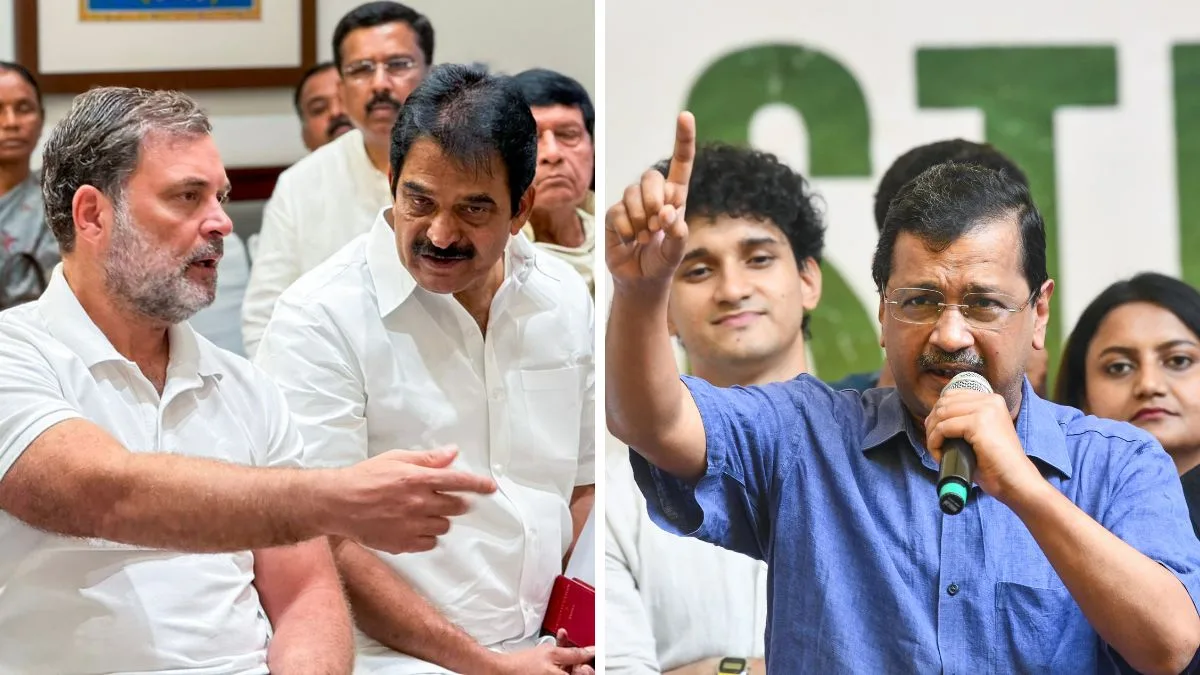
Appearing for one of the petitioners challenging the SIR, advocate Prashant Bhushan alleged irregularities in the SIR process, claiming booth-level officers filled and signed enumeration forms on behalf of voters, leading to wrongful inclusions and exclusions. He also said the EC made the draft electoral roll non-searchable after a press conference by Congress leader Rahul Gandhi on bogus voters.
Senior advocate Gopal Sankaranarayanan, for NGO Association for Democratic Reforms (ADR), argued that the enumeration form used in the SIR had “no basis in law” and that voters were being removed without due process. He sought a stay on the exercise, warning that West Bengal had also received a similar SIR notice without state consultation.
The Bench, however, observed that electoral rolls cannot remain static and require periodic revision.
The hearing will continue on Thursday.
The current dispute stems from the ECI’s June 24, 2025 SIR order for Bihar, aimed at cleansing electoral rolls ahead of state polls. The directive mirrors the Citizenship Act, 1955 in requiring birth-based proof of citizenship and excludes Aadhaar as conclusive proof, consistent with the Supreme Court’s 2015 ruling that Aadhaar establishes identity, not citizenship. Petitioners fear the timing and document requirements could lead to large-scale disenfranchisement, particularly among rural and vulnerable populations.