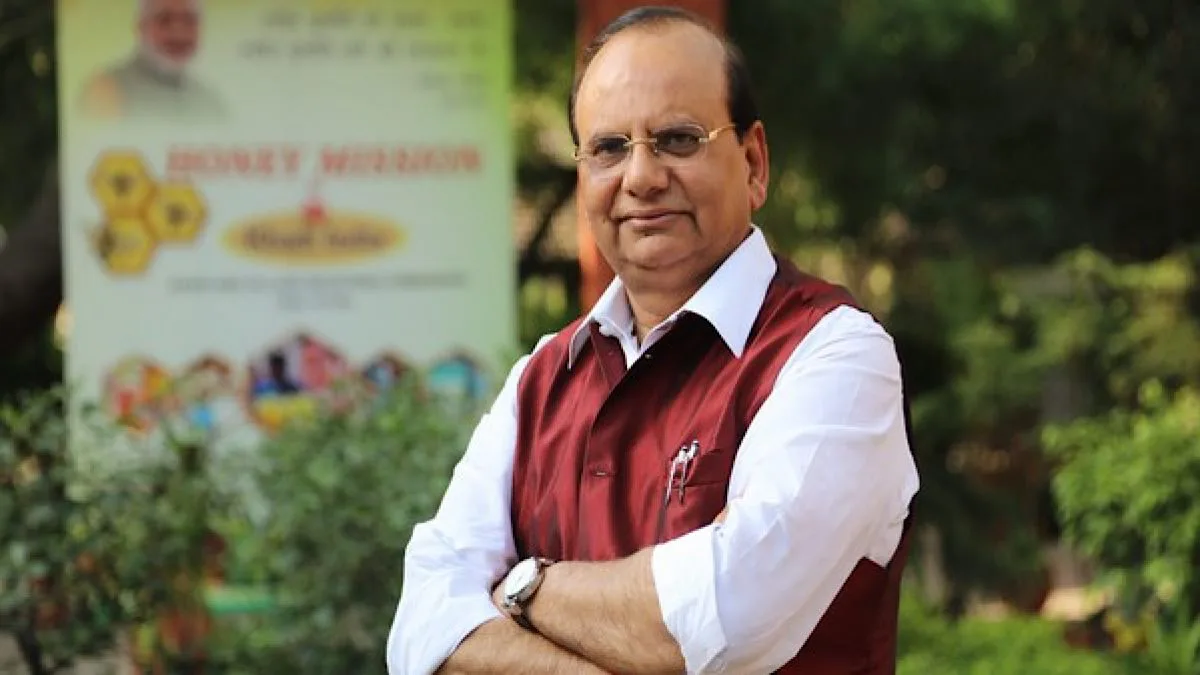
The liberalised excise policy, approved by Lieutenant Governor Vinai Kumar Saxena, has drawn sharp criticism from the Ladakh Buddhist Association (LBA), which urged the administration to reconsider the decision and cautioned against turning the cold desert region into “another Goa or Delhi” through unrestricted liquor access.
Religious bodies, political leaders and civil society groups are demanding an immediate review of the decision that was announced on Sunday.
Advertisement
The policy has come under sharp criticism from the LBA and the Kargil Democratic Alliance (KDA), which have warned that expanding access to alcohol could have serious social consequences for the fragile Himalayan region. The LBA youth wing leader Jigmet Rafstan urged the administration not to transform Ladakh into “another Goa or Delhi” and called for the policy to be reconsidered.
Opposition to the move has also come from Ladakh MP Haneefa Jan who has questioned the rationale behind the policy.
While the administration maintains that the new excise framework is aimed at curbing drug abuse and bringing greater regulation to alcohol sales, critics argue that it could instead deepen addiction-related challenges in the region.
The liberalised policy marks a major departure from Ladakh’s existing excise regime by allowing retail sale of hard liquor, including foreign liquor and Indian Made Foreign Liquor (IMFL). It permits alcohol consumption within hotel premises, including guest rooms, and for the first time allows liquor sales through guest houses and homestays, provisions that have become the centre of the ongoing debate. It also lays down opening of 20 liquor vends against the 2 in Leh across multiple districts and introduces micro-breweries, with authorities arguing that greater legal availability could help tackle the growing menace of narcotics and spurious liquor.
MP Haneefa Jan argued that introducing easier access to alcohol in an effort to combat drug abuse amounted to replacing one harmful habit with another. “Drug abuse is indeed a serious concern in Ladakh and its spread is worrying. But opening liquor shops is not the solution,” he said. “If there is liquor ban in Bihar and Gujarat, why can’t the same be implemented in Ladakh also,” he said.
The LBA said, “Our concern is based on the serious social and human costs associated with alcohol consumption. We have witnessed many tragic incidents, including the loss of young lives due to drunken driving, domestic violence, family disputes and other social problems linked to alcohol abuse.”
The LBA further said that it stands united with people of Ladakh in opposing any move to establish additional liquor shops.
Sajjad Kargili, co-chairman KDA, said, “It is difficult to understand the logic of opening liquor shops in the name of combating drug abuse. Alcohol is itself an intoxicant and, in many cases, serves as a gateway to substance dependence rather than a solution to it. Addressing one addiction by promoting another is neither sound public policy nor a credible strategy for safeguarding society”.
“Any attempt to normalize or institutionalize alcohol under the pretext of revenue generation or tourism promotion runs contrary to the sentiments, traditions, and aspirations of the local population”, he warned.