A historic moment for India! Deepavali, the festival of lights, has been officially inscribed on the UNESCO Representative List of Intangible Cultural Heritage of Humanity. This inclusion marks global recognition of the joyous festival that exemplifies deep-rooted traditions, ancient culture and the spirit of prosperity.
Prime Minister Narendra Modi also welcomed the global recognition of Deepavali as a cultural heritage. He posted on X, “People in India and around the world are thrilled. For us, Deepavali is very closely linked to our culture and ethos. It is the soul of our civilisation. It personifies illumination and righteousness. The addition of Deepavali to the UNESCO Intangible Heritage List will contribute to the festival’s global popularity even further. May the ideals of Prabhu Shri Ram keep guiding us for eternity.”
Advertisement
The Union Minister of Culture and Tourism, Gajendra Singh Shekhawat, who was present at the moment of this announcement, called it a historic day for India. He posted on X, “During the tenure of Hon’ble PM Shri Narendra Modi Ji, India’s cultural heritage is receiving unprecedented global recognition and this milestone strengthens that journey. This honour celebrates the universal message of our festival of lights: hope over despair, harmony over division, and light for all. My gratitude to UNESCO and to every custodian of our timeless traditions.”
Here’s how UNESCO defines Deepavali, its latest inscription:
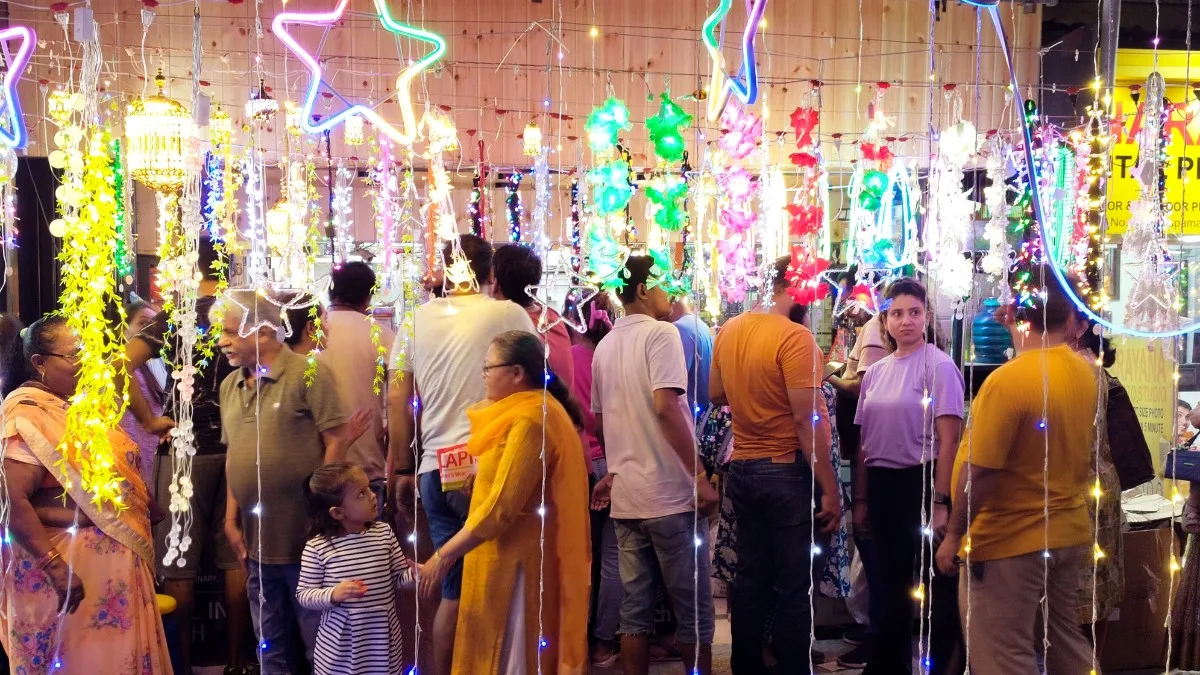
Deepavali, also known as Diwali, is a light festival celebrated annually by diverse individuals and communities across India, that marks the last harvest of the year and the start of a new year and new season. Based on the lunar calendar, it falls on the new moon in October or November and lasts several days. It is a joyous occasion that symbolizes the victory of light over darkness and good over evil. During this time, people clean and decorate their homes and public spaces, light lamps and candles, set off fireworks, and offer prayers for prosperity and new beginnings.
The decision to add Deepali at the 16th spot in the list was taken during the 20th session of the Intergovernmental Committee for Intangible Cultural Heritage, after examining the nominations of 68 elements submitted by 78 States for inscription on the Lists of the Convention. The session is being conducted from 08-13 December 2025 in New Delhi.
Notably, India is hosting a session of the Intergovernmental Committee for the Safeguarding of the Intangible Cultural Heritage for the first time. The session is being chaired by H.E. Mr Vishal V. Sharma, Ambassador and Permanent Delegate of India to UNESCO.
Also read: Durga Puja – UNESCO Intangible Cultural Heritage
Popular Legends of Deepavali: A Tapestry of Faith, Victory and Light
Deepavali carries a constellation of legends woven through centuries, faiths and regions. Beyond its glowing diyas and festive grandeur, the festival stands on a foundation of stories celebrating the triumph of righteousness, the awakening of inner light, and the eternal cycle of renewal.
Rama’s Homecoming & the Pandavas’ Return
For millions, Deepavali is inseparable from the Ramayana. It marks the joyous return of Lord Rama, Sita and Lakshmana to Ayodhya after 14 years of exile and the defeat of Ravana. Ancient lore says the people of Ayodhya lit rows of lamps to welcome them, a sight that lent the festival its name Deepa-vali, the row of lights. In the Mahabharata, the festival also signifies the homecoming of the Pandavas after their exile, celebrated with lamps and prayers for renewed fortune.
The Fall of Narakasura
Naraka Chaturdashi, observed a day before Deepavali in many regions, commemorates Lord Krishna’s victory over the demon Narakasura. The tale highlights the destruction of evil and the restoration of dharma, a reminder that the light of courage dispels even the darkest tyranny.
Lakshmi’s Auspicious Arrival
Across households, Deepavali night is believed to be the time when Goddess Lakshmi visits homes. Families illuminate spaces, perform Lakshmi Puja, and invite prosperity with prayers for peace, wealth and harmony.
Mahavira’s Nirvana: A Jain Perspective
For the Jain community, Deepavali marks a deeply spiritual moment, the Nirvana of Lord Mahavira, the 24th Tirthankar, at Pavapuri. According to tradition, Mahavira’s disciples grieved his departure, but he urged them to light the lamp within and conquer darkness. Jains observe this day as Nirvana Day, celebrating liberation and inner awakening.
Shiva as Tripurantaka
Another powerful legend recalls the destruction of the demon Tripurasura by Lord Shiva. The three mighty fortresses of the demon brothers could only be destroyed by a single arrow, a condition Shiva fulfilled as Tripurantaka. The victory is honoured as Deepavali or Dev Deepavali, marked by ritual baths in the Ganges, diyas, and prayers offered to Lord Shiva.
King Bali’s Visit in Maharashtra
In Maharashtra, the festival also celebrates the annual visit of King Bali. Revered as a symbol of justice, generosity and wellbeing, his return is welcomed with festivities and rituals unique to the region.
Kali Puja in the East
In Bengal, Odisha and Assam, Deepavali coincides with Kali Puja. Devotees worship Goddess Kali, seeking protection, courage and inner strength. The night sparkles with devotion as lamps and chants honour the fierce yet compassionate goddess.
Govardhan Puja & Annakut
In several parts of north and western India, the day after Deepavali is celebrated as Govardhan Puja or Annakut. The festival recalls Lord Krishna lifting the Govardhan Hill to protect villagers from torrential rains, an enduring symbol of humility, gratitude and divine shelter.
From epics to regional lore, from spiritual liberation to divine victories, Deepavali continues to shine as a festival that celebrates light in every form, inner wisdom, hope, resilience and the ultimate triumph of good over evil.