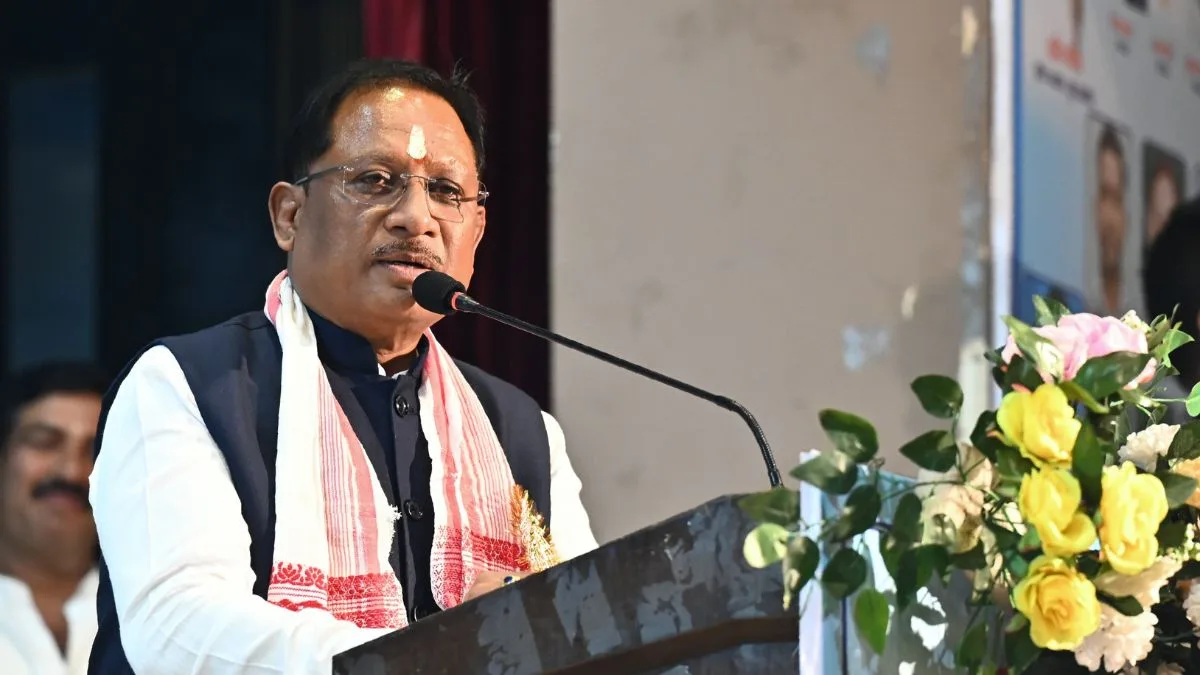
Chhattisgarh Chief Minister Vishnu Deo Sai on Saturday took a hardline stance against religious conversion, calling it “a stain on Chhattisgarh” and declaring that his government would pursue its eradication with unwavering resolve.
His remarks, delivered in Raipur, come in the wake of a high-profile arrest involving two Catholic nuns and a tribal youth on allegations of trafficking and forcible conversion—an incident that has reignited a polarizing debate across party lines.
Advertisement
“Religious conversion is a stain on Chhattisgarh. The final battle to eliminate it is underway. The government will take concrete measures, and under no circumstances will such actions be tolerated,” Sai declared in Raipur, underscoring the BJP-led administration’s firm position.
The controversy erupted after the arrest of two nuns by local police, triggering a political storm from Raipur to New Delhi. While BJP leaders have demanded strict legal action, the Congress has termed the arrests a “political vendetta.”
Congress MLA from Bilaspur, Atal Shrivastava, stated, “This is a clear attempt to manufacture hate and divide communities under the garb of religion. We trust the judiciary, and today’s decision restores that faith.”
The episode has rekindled public debate over religious freedom, anti-conversion laws, and the line between faith-based outreach and coercion. Chhattisgarh has previously witnessed sporadic flare-ups linked to conversions, particularly in tribal-dominated districts like Bastar and Jashpur.
As the Sai-led Chhattisgarh government intensifies its rhetoric against religious conversion, the coming weeks are likely to witness a sharper focus on legislative and administrative measures in tribal regions.
With the political narrative hardening on both sides and the judiciary asserting its role as a constitutional check, the unfolding developments could have lasting implications not only for religious and civil liberties but also for the evolving political landscape in Chhattisgarh.
ENDS