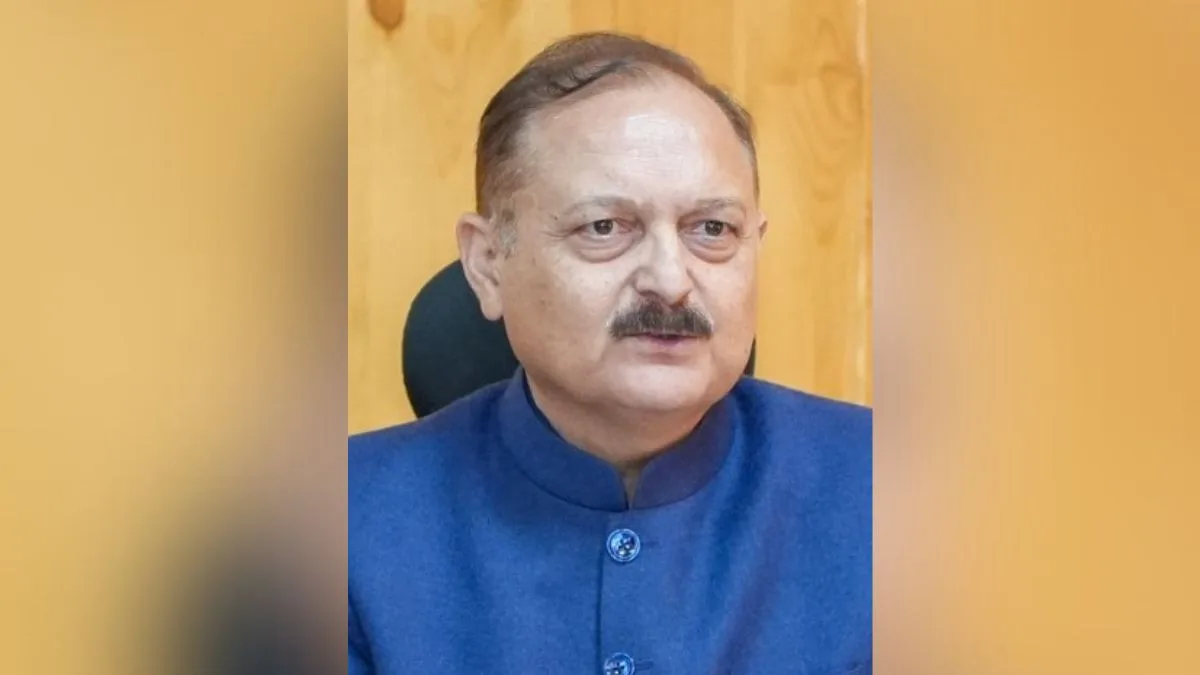
Ladakh Chief Secretary Dr Pawan Kotwal has made a strong call to protect the Indus River, describing it as the lifeline and spiritual heart of Ladakh.
The Chief Secretary chaired a meeting on Thursday to review compliance of the directions issued by the National Green Tribunal (NGT) regarding river pollution and waste management.
Advertisement
Emphasising the immense cultural heritage and ecological value of the Indus, he directed the Deputy Commissioners of Leh and Kargil to launch intensified cleanliness and monitoring drives along the riverbanks.
He warned against any dumping or discharge of waste or sewage into the river, stressing that preserving the purity of the Indus is not just an administrative duty but a collective moral responsibility. “Safeguarding Ladakh’s most sacred water body is a duty we owe to our heritage and future generations,” he asserted.
The Ladakh Pollution Control Committee (LPCC) presented a detailed report on the current status of environmental management in Ladakh, noting that there are no critically polluted river stretches identified by the Central Pollution Control Board (CPCB) in Ladakh.
Dr Kotwal highlighted that while solid waste management is being efficiently managed through the Tsangda Solid Waste Management Project, improving liquid waste treatment remains a priority. He instructed the Public Health Engineering Department to finalise the Detailed Project Report for the proposed Sewage Treatment Plant in Leh.
The Secretary, Housing and Urban Development, informed that two packages for setting up of decentralised sewage treatment plant in Kargil had already been tendered, with another forwarded for approval under the Swachh Bharat Mission.
The Chief Secretary further directed that treated wastewater be used for construction and public utility purposes to conserve the precious fresh water resources.