More than six months after the devastating rat-hole coal mine tragedy in Assam’s Dima Hasao district, a key regional organisation has demanded that the state government immediately make public the findings of the judicial commission that probed the incident.
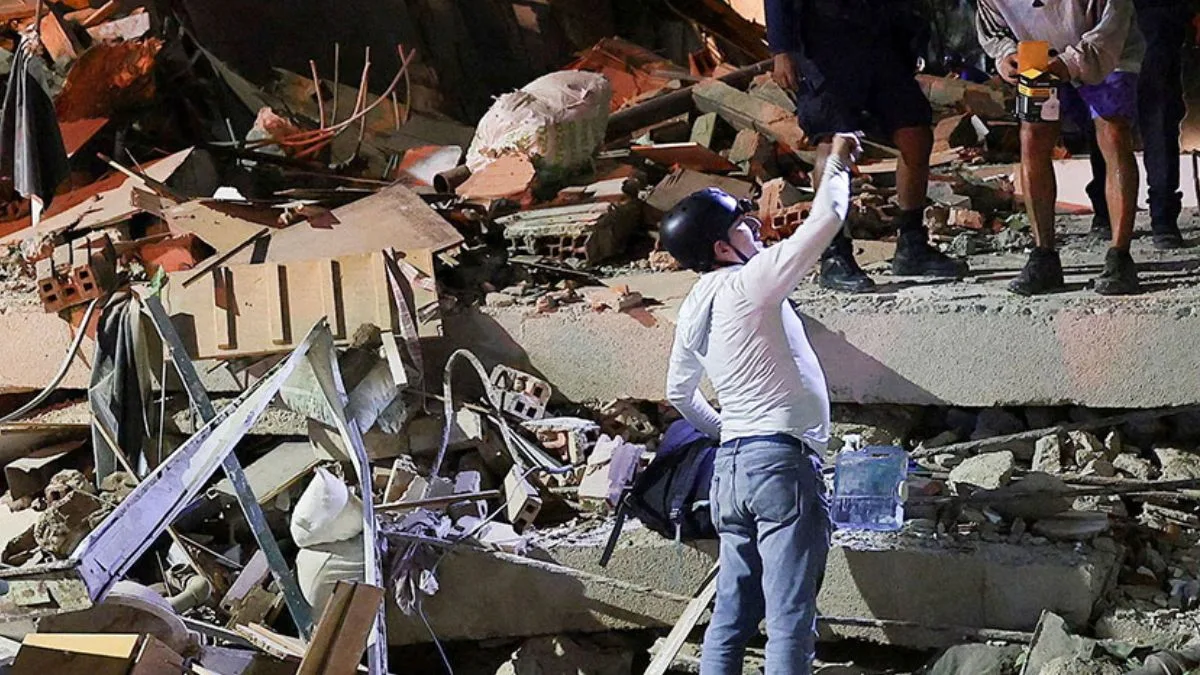
On January 6, 2025, nine workers were trapped inside an illegal coal mine in the Umrangso area of Dima Hasao due to sudden flooding.
Advertisement
After a massive, multi-agency rescue operation involving the Indian Navy, National Disaster Response Force (NDRF), and state authorities, the last of the victims’ bodies was recovered on February 19 , 44 days after the incident.
Advertisement
In the wake of the tragedy, the Assam government had constituted a judicial enquiry commission under retired Gauhati High Court judge, Justice Anima Hazarika, with a mandate to submit its report within three months. However, the report has not yet been made public, leading to widespread discontent.
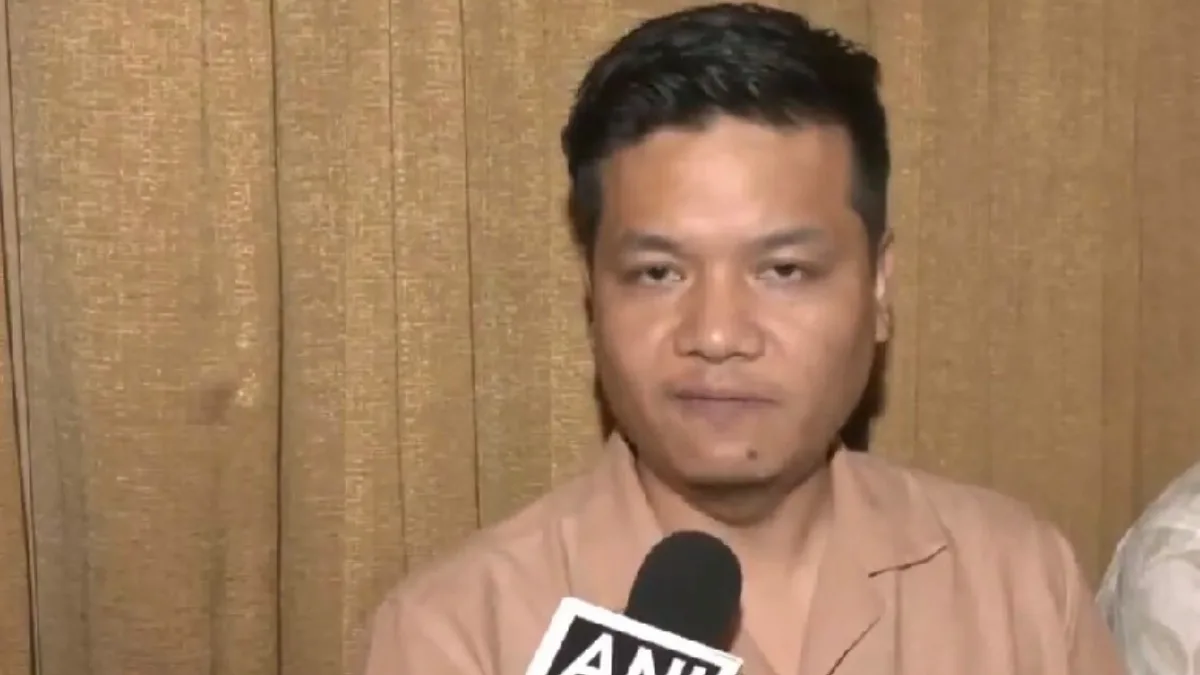
Daniel Langthasa, convenor of the Sixth Schedule Protection Committee and former member of the North Cachar Hills Autonomous Council (NCHAC), voiced strong resentment over the prolonged silence from the state government.
“Six months have passed, and the people still do not know what the commission found. There is no transparency, and those responsible for illegal activities continue to be shielded,” Langthasa told reporters.
He alleged that individuals in positions of power within the council were protecting those behind the illegal mining operation.
One person, Punish Nunisa, was arrested in connection with the mine incident, but activists argue this is far from sufficient.
Langthasa pointed to a disturbing history of unregulated mining in the region.
“This is not the first time lives have been lost in illegal mines. But justice has always eluded the families,” he said.
Despite the National Green Tribunal’s 2014 ban on rat-hole coal mining, the practice allegedly continues unabated.
Following the January tragedy, a survey revealed the presence of at least 220 illegal rat-hole mines in and around Umrangso.
At the time, Chief Minister Himanta Biswa Sarma assured the public that the Mines and Minerals Department, in consultation with central agencies, would shut down all such operations.
Langthasa questioned how such a vast network of illegal mines could have existed without the knowledge of the NCHAC, which is ruled by the BJP. Debolal Gorlosa currently serves as the council’s Chief Executive Member.
The mine tragedy, Langthasa argued, is symptomatic of a deeper governance crisis in Dima Hasao. He expressed concern over rising cases of kidnappings and unexplained deaths in the district, which endured years of militancy before insurgent groups signed peace accords with the government.
“There have been multiple incidents where people were kidnapped or murdered, and the families are still awaiting justice,” he said.
Citing a personal example, he recalled the 2007 murder of his father, Nindu Langthasa, and then Chief Executive Member Purnendu Langthasa — a case that remains unresolved after 18 years.
He also spoke of a worrying social breakdown, with youth increasingly turning to drugs and crime in recent years.
“The younger generation is losing faith. They see no hope in the current system and are turning to theft and dacoity. We never saw this before in our society,” Langthasa said.
Additionally, he raised alarms over the alleged misuse of tribal land.
“Land that is protected under tribal customary laws is now being handed over to private parties for coke industries and other purposes without the consent of village authorities. This is a violation of the Sixth Schedule and the council’s mandate,” he alleged.
The Sixth Schedule Protection Committee is now calling for urgent corrective action — starting with the public release of the Justice Hazarika Commission report — and a broader movement to restore justice, transparency, and local governance rights in Dima Hasao.
Advertisement