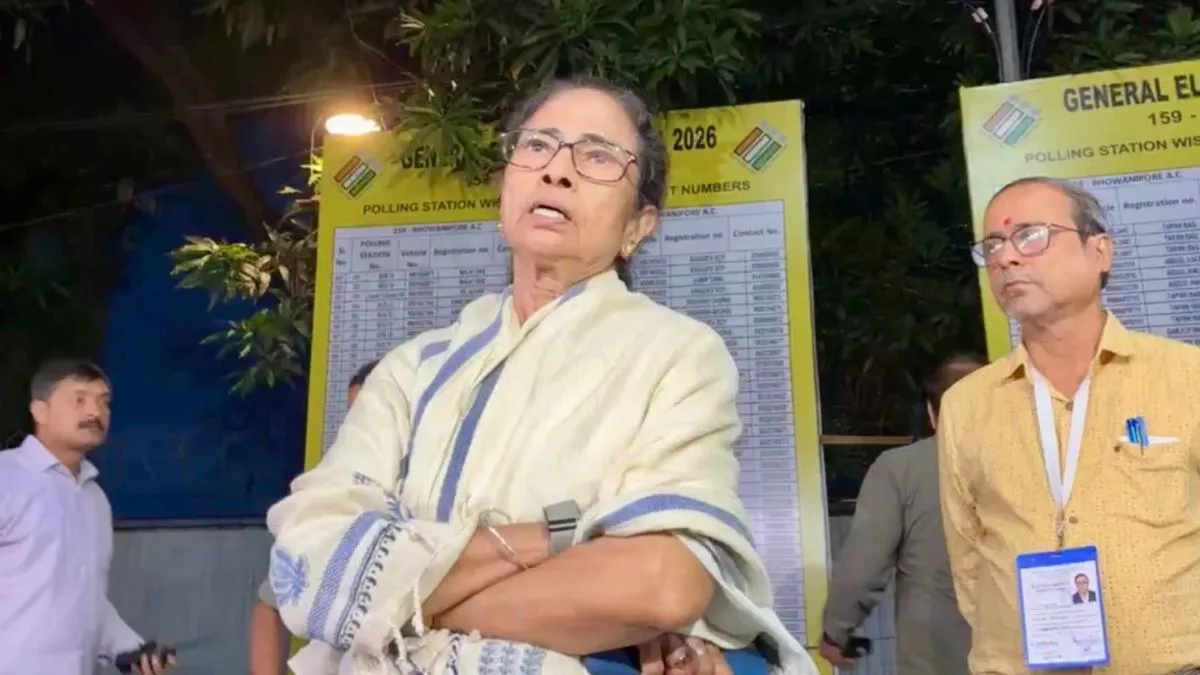
Public campaigning for the April-9 Assembly elections in Kerala, Assam and Puducherry concluded on Tuesday, setting the stage for polling across 126 seats in Assam, 140 in Kerala and 30 in Puducherry. Bye-elections will also be held to five seats across Goa, Karnataka, Nagaland and Tripura. According to the Election Commission, a total of 1,955 candidates are in the fray—A ssam accounts for 722 candidates, Kerala 890 and Puducherry 294. An additional 49 candidates are contesting the bypolls—three in Goa, 34 in Karnataka and six each in Nagaland and Tripura.
It is a fight for political survival and relevance and a key trend in these elections has been the rise of competitive and multi-cornered contests. For example in Kerala, the incumbent Left Democratic Front (LDF), led by Chief Minister Pinarayi Vijayan, is seeking a third consecutive term—an unprecedented feat in a state known for alternating between the LDF and the Congress-led United Democratic Front (UDF). But the emergence of the BJP as a notable force, following its first Lok Sabha win in the state in 2024, has added a new dimension and competition to the Kerala’ contest.
Advertisement
The growing saffron presence in states like Kerala and its consolidation in Assam indicate that electoral battles are becoming less predictable, say observers.
The campaigns for these elections also highlighted the increasing role of strong, individual leaders.
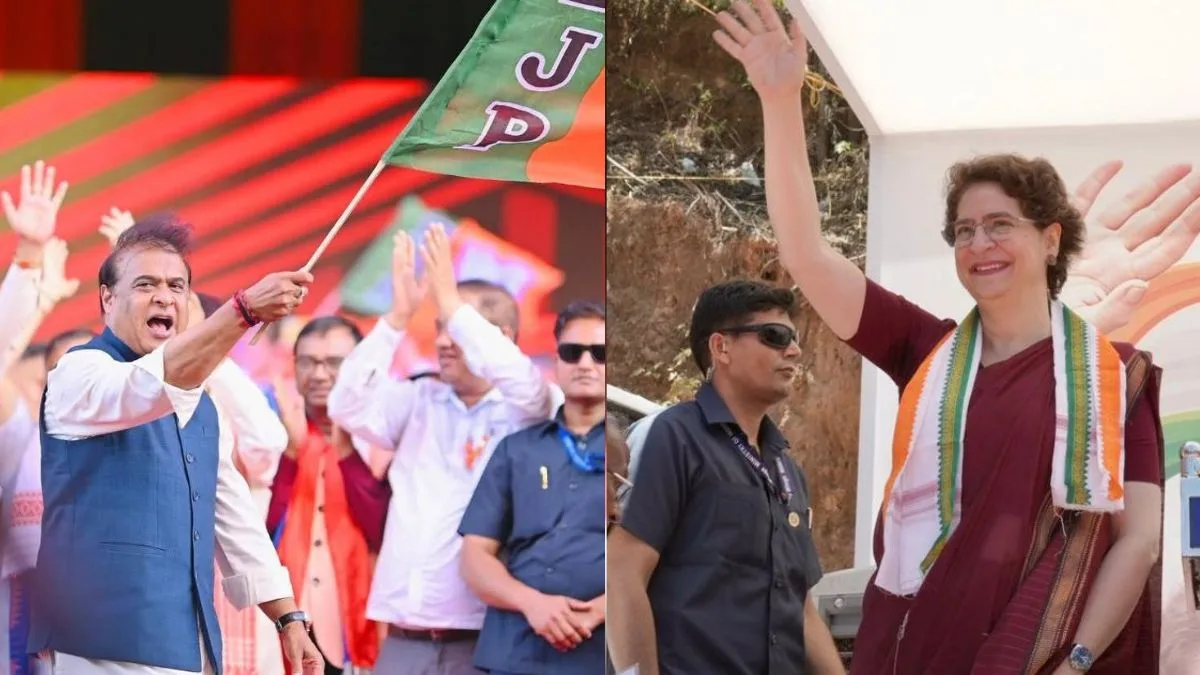
In Assam, for instance, the contest became highly personalised, reflecting a shift toward leader-driven politics where personalities can influence voter perception as much as a party’s ideology. BJP’s Chief Minister Himanta Biswa Sarma led an aggressive campaign against Congress’ Gaurav Gogoi, in a bid for second term for himself and a third for the BJP-led NDA, with a campaign centred around a mix of Hindutva, indigenous identity politics, allegations of illegal immigration, and welfare measures, especially women and tea garden worker.
Amid the political rhetoric around encroachment, illegal immigrants etc, the Assam elections was also marked by highly personalised attacks between Sarma andGogoi with the BJP and the Congress trading allegations against each other. The parties combined welfare promises with identity-based appeals, blending development narratives with issues such as religion, ethnicity, migration, personal attacks to broaden their support base, the observers add.
Meanwhile, in Puducherry, the NDA government led by the All India N.R. Congress (AINRC) has been in power since 2021. With only 30 seats, individual candidates and local dynamics are expected to play a decisive role in determining the outcome on May 5.
The Puducherry elections are perhaps the only ones in this set of elections with “friendly contests”, in this case between INDIA allies Congress and DMK competing against each other in several constituencies reflecting local political compulsions, alliance arrangements and other issues. In contrast, Kerala has been a direct fight between the LDF and the UDF despite their alignment at the national level within the INDIA bloc.
“The fact is while national alliances attempt to project unity, regional dynamics and local survival strategies shape electoral battles in state elections. These elections underline how strong regional dynamics outweigh national alliances. Even when parties are together at the national level, they become direct rivals in states, like in Kerala, underlining the power of local political realities,” according to analysts.