The Assam Fixation of Ceiling on Land Holdings (Amendment) Bill, 2025, passed during the Winter Session, is being positioned as a cornerstone of the ruling BJP’s “pro-poor narrative” in the upcoming Assembly elections in Assam in 2026.
The law grants land ‘pattas’ to lakh tea garden workers across the land they have lived for generations without ownership. The BJP is describing this move by Chief Minister Himanta Biswa Sarma government as “historic correction of colonial-era injustice, one ignored by previous Congress governments”
Advertisement
The Assam Legislative Assembly on Friday passed the Bill that aims to pave the way to confer ownership of land in tea garden “labour lines” to tea garden workers—one of the most marginalised communities in the state. With this, the party aims to consolidate the politically crucial tea belt.
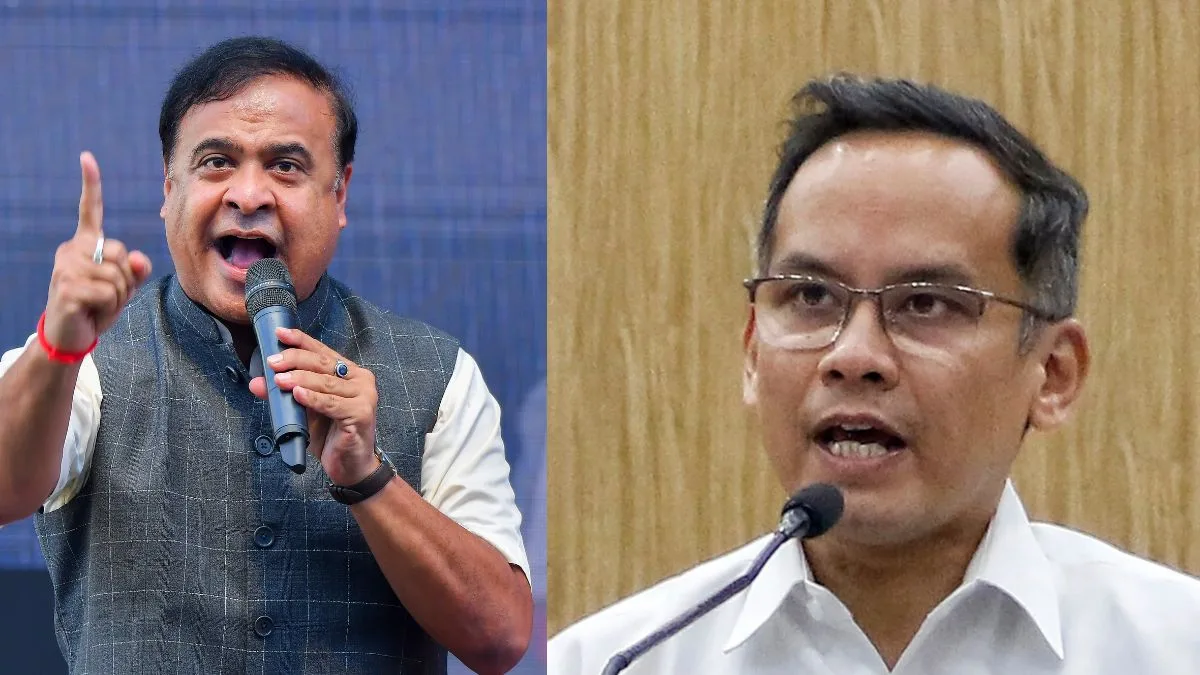
As Assam enters election mode for the 2026 Assembly polls, the BJP has prepared an aggressive, multi-pronged campaign aimed at weakening a resurgent Congress under Gaurav Gogoi, son of former Chief Minister Tarun Gogoi.
The BJP’s strategy blends emotional mobilisation, development-driven messaging, and sharp organisational planning to achieve the NDA’ target of 103 of Assam’s 126 seats and brand Congress’s revival attempt as return to “dynastic politics” which the state “has already rejected.”
A part of this campaign is also linked to the death of Assamese icon Zubeen Garg in September 2025. Sarma has repeatedly described the incident as “plain murder,” linking it to individuals allegedly connected to Congress circles and promised justice by December 8.
The issue has become a rallying point for the BJP positioning itself as “true custodian of indigenous identity.” Basically, the saffron party is accusing the Congress of shielding suspects, which the grand old party has dubbed as an attempt to “exploit public grief for electoral advantage.”
The BJP’s organisational machinery—strengthened through events like chintan baithaks and booth-level reviews—forms the backbone of this strategy. Targeted mobilisation is planned for constituencies where the party’s support has dipped, with a push for younger and more women candidates.
The digital outreach, spotlighting government’s welfare schemes and positioning them as evidence of sustained, people-centric governance, is being built.
The BJP is also playing on issues within the Asom Sonmilito Morcha alliance to undermine Gogoi. Sarma has already sharpened rhetoric on issues like “polygamy,” “love jihad,” “land jihad,” and illegal encroachments, framing them as threats posed primarily by Bengali-origin Muslims to build on “locals versus outsiders” narrative and Assamese identity politics.