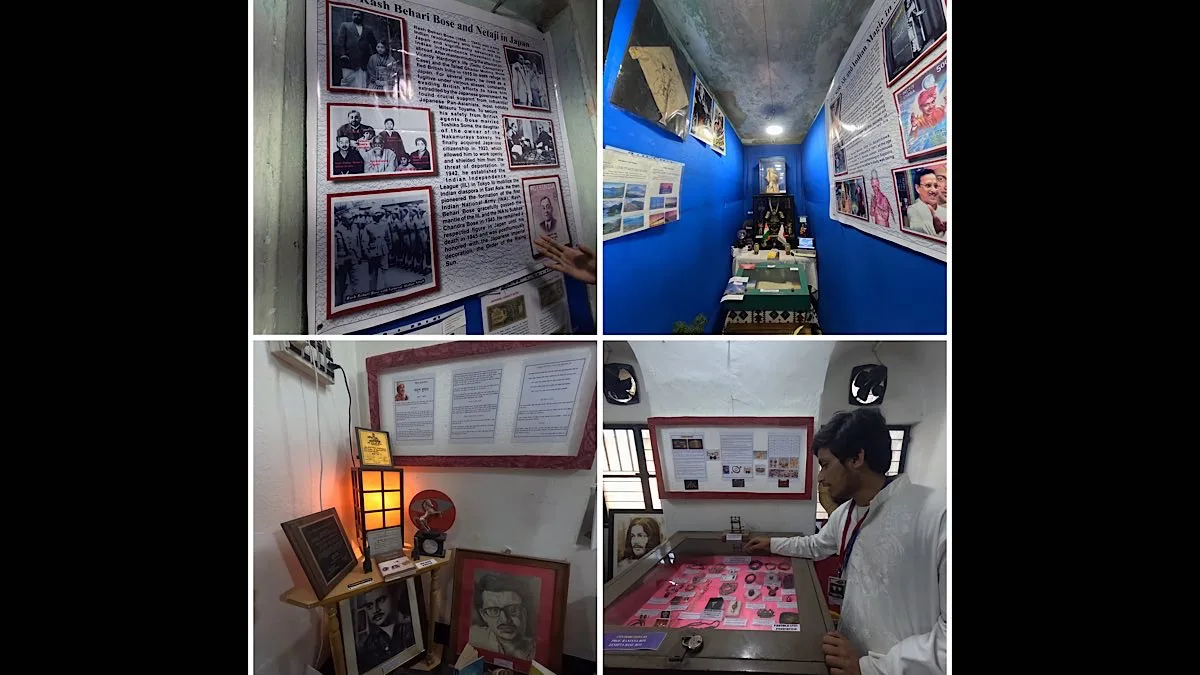
The 20th Kolkata International History and Heritage Exhibition 2026 was held recently. The space felt quiet and thoughtful. Visitors walked in slowly- stopped, looked, and read. There was no rush, and the experience unfolded gently.
The exhibition brought together private collections that reflected daily life. It moved away from political events and famous dates. Instead, it showed how ordinary objects carry the meaning. Small things held large histories.
Advertisement
According to organiser Deborshi RoyChowdhury, “History does not live only in monuments and textbooks. It lives in the objects that people have touched, used, and valued. When we preserve these things, we preserve the memory itself.” He further added that exhibitions like this help people to see the past as something close and human rather than being distant and abstract.
Advertisement
A section on jewellery drew steady attention. Ornaments from different periods were arranged carefully. Gold bangles, silver filigree work, and temple-style pieces were placed by the side. The changes in design were clear. The pieces showed the shifts in taste and skills. They also hinted at family customs and social position.
Nearby, rare books and early printing materials from Souvik Roy’s collection were displayed. Old bindings, faded pages, and early press samples revealed the growth of printing in the city. These materials showed how reading slowly became part of public life. They reflected a time when books were handled with care and respect.
Souvik Roy, a contributor to the exhibition, spoke about why sharing such collections matters. He said, “If we do not tell these stories now, they might disappear quietly. It is our responsibility to inform the younger generation and carry on this knowledge forward. History survives only when it is shared.” He noted that exhibitions result in a bridge between personal collections and public understanding.
Photographs and documents in the famous people retrospective offered glimpses into the individual lives of Anup Kumar and Uttam Kumar. Letters, portraits, and printed notes revealed the moments from another era. Visitors paused before these frames. Many tried to connect the faces with stories they had heard before.
The comic world added colour and movement to the hall. Early comic strips and later graphic narratives were arranged chronologically. The drawings showed changing styles and themes. They reflected humour, fantasy, and daily concerns. The display suggested that popular art had also shaped how people reimagined the world.
The miniature world section stood out for its detail. Tiny models and handcrafted pieces demanded close attention. The care behind the piece was visible. These small creations captured the scenes and ideas in a compact form.
Music test records traced the early days of recorded sound, showing how technology transformed the way people experienced music.
A dedicated Japanese section highlighted the cultural ties between India and Japan. A traditional wedding dress formed the centrepiece. Materials on Rabindranath Tagore’s travels, tickets from over 300 shows by PC Sorcar Jr., were also displayed, along with Japanese army uniforms and Sabarna Roy Chowdhury family artefacts. As visitors moved through the hall, conversations blended with memory. The exhibition depended on detail, which shows how history lives quietly in daily objects.
The exhibition showed that history lives not just in grand events. With the help of careful detail and personal collections, it brought the past closer to the present. This reminded the visitors that memory survives when it is preserved and shared.
Advertisement