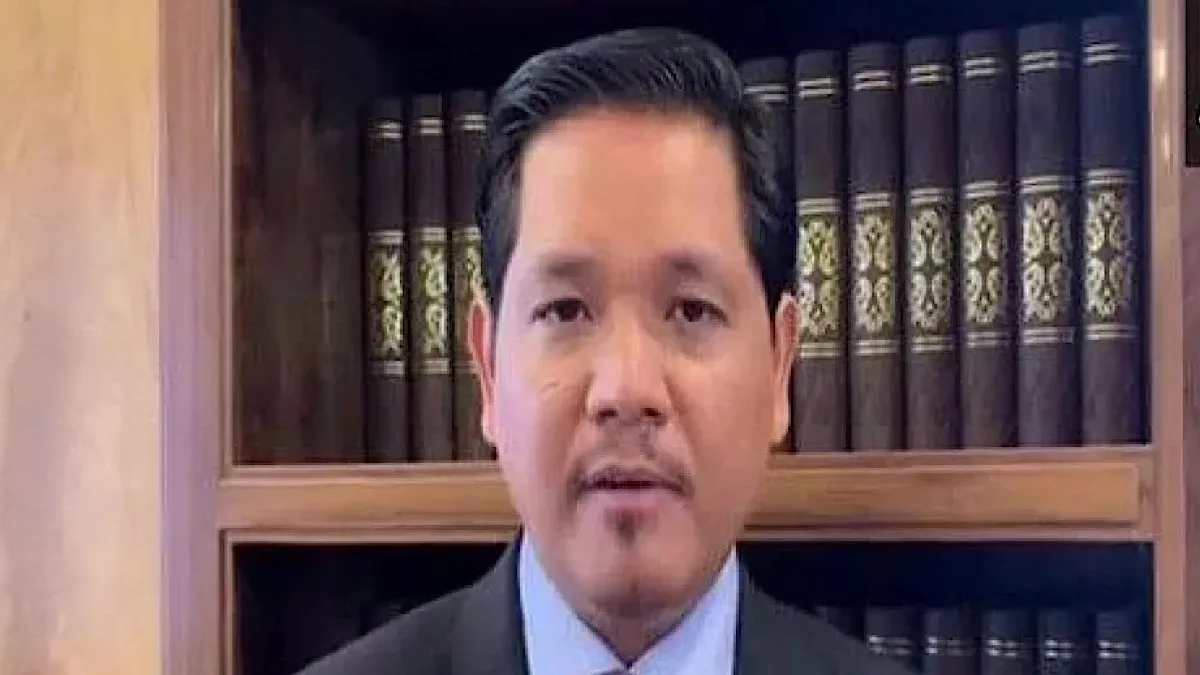
In a conversation with Abhijit Deb of The Statesman, Meghalaya Chief Minister Conrad K. Sangma talks about the recent cabinet reshuffle in his coalition government, the state’s new tourism policy, and his vision to make Meghalaya a model of sustainable and creative tourism. From reviving the rock culture of Shillong to empowering rural entrepreneurs through homestays and eco-tourism, Sangma shares how tourism is emerging as a key driver of employment and growth in the hill state.
Q: You have recently made a major reshuffle in your cabinet. What prompted it?
Advertisement
A: It was not an easy task since we are running a coalition government where every partner deserves an opportunity to serve the people of Meghalaya. It was unanimously decided among all parties of the Meghalaya Democratic Alliance (MDA) to give space to leaders who have served the people for long. So, the reshuffle was carried out in the spirit of teamwork and inclusivity. I must thank my cabinet colleagues who willingly made space for others who have been chosen by the people’s mandate. Our goal was to ensure balanced representation and strengthen the spirit of collective governance.
Q: Meghalaya has announced a new Tourism Policy. What is the core focus of this policy?
A: The new Tourism Policy aims to position Meghalaya as a year-round sustainable destination that blends nature, culture, and community. Our focus is on responsible tourism – protecting the environment while empowering local communities. We are emphasizing homestays, rural tourism, adventure tourism, and music tourism, ensuring that the benefits reach the grassroots. At the same time, we are also working to attract high-value tourists by improving connectivity and hospitality standards. Q: What is the current share of tourism in Meghalaya’s GDP, and how do you plan to increase it? A: At present, tourism contributes around 4 per cent to Meghalaya’s GDP. Our goal is to double that to 10 per cent in the next few years. This will come through improved infrastr ucture, private se ctor partnerships, better branding, and training local youth in hospitality and entrepreneurship.
Q: Meghalaya is often called the Rock Capital of India. Do you see a challenge now that other states like Assam are also promoting live music and events?
A: It’s true that Shillong has a special place in India’s musical landscape – music is part of our identity. While other states are promoting live music, I don’t see it as competition but rather as healthy growth for the region’s creative economy. Meghalaya has a deep-rooted music culture; we have world-renowned bands, music schools, and vibrant youth participation. What we’re focusing on is creating infrastructure for this – like open-air arenas, sound studios, and music festivals – so that artists can thrive and tourists can enjoy authentic local experiences.
Q : What kind of push is Meghalaya giving to improve tourism infrastructure?
A: Infrastructure is key to tourism growth. We have taken up major road projects to improve connectivity to key destinations like Sohra, Dawki, Nongstoin, and Jowai. We’re also upgrading the Umroi Airport and introducing helicopter services to remote areas. Moreover, the government is developing eco-resorts, view decks, and model villages under the “Meghalaya Eco-Tourism Circuit” project. These will make travel within Meghalaya smoother and more rewarding. Q: What kind of employment opportunities do you think tourism is bringing to Meghalaya?
A: Tourism is one of the largest employment generators, especially for youth and women. We’ve seen a surge in homestays, adventure guides, local transport, and food businesses. Through skill training under the PRIME and YESS Meghalaya initiatives, we are helping local entrepreneurs set up travel companies, cafés, and eco-lodges. The idea is to make tourism not just a seasonal income source but a sustainable livelihood option.
Q: How are you ensuring that tourism growth remain ps sustainable and community driven?
A: Sustainability is central to our p olicy. We are promo ting community-owned projects where local villagers manage and benefit from tourism activities. At the same time, we are enforcing strict waste management rules, especially in sensitive areas like Sohra and Dawki. Every development plan is being reviewed through an environmental lens. Meghalaya’s beauty is its biggest asset, and we cannot afford to compromise it.
Q: Meghalaya has gained global attention for its clean villages like Mawlynnong and living root bridges. How are you planning to build on this image?
A: Meghalaya’s living root bridges and clean village models are perfect examples of harmony between people and nature. We are working to get UNESCO recognition for the living root bridges as cultural heritage. At the same time, we’re promoting similar eco-friendly practices in other villages. Our “Clean and Green Meghalaya” initiative ties together environmental conservation, waste management, and tourism promotion.
Q: What is your vision for Meghalaya’s tourism over the next decade?
A: I want Meghalaya to be known globally as a model of sustainable and creative tourism – a place where nature, music, and community blend seamlessly. We want visitors to come not just for the views but for the experience – the culture, the food, the people. Tourism for us is not only about numbers; it’s about building pride, preserving heritage, and creating opportunities for every Meghalayan.